
Student Accommodation in China 2026: Types of Housing, Costs by City, and Essential Tips for International Students (Updated July)
Finding the right accommodation is one of the most important decisions international students make when studying in China. The quality, location, and cost of your housing directly affect your academic performance, social life, and overall experience. In 2026, Chinese universities offer a wide range of accommodation options — from affordable on-campus dormitories starting at just ¥800/month to private apartments in city centers costing ¥3,000–¥6,000/month. With over 500,000 international students currently studying across China, the demand for quality student housing has never been higher. This comprehensive guide covers every aspect of student accommodation in China for 2026, including housing types, city-by-city cost comparisons, booking procedures, and expert tips to help you find the perfect place to call home during your studies. Types of Student Accommodation in China International students in China typically choose between three main types of accommodation: on-campus international dormitories, off-campus private apartments, and homestay programs. Each option has distinct advantages and considerations. 1. On-Campus International Dormitories Most Chinese universities offer dedicated international student dormitories on campus. These are the most popular choice for first-year students and short-term program participants. On-campus dorms provide convenience, security, and easy access to university facilities such as libraries, cafeterias, and sports centers. Typical…- 91
- 0
Living Cost in China for International Students 2026: Monthly Budget, City-by-City Comparison, and Money-Saving Tips (Updated July)
One of the most common questions international students ask before coming to China is: "How much does it actually cost to live here?" While China is generally more affordable than Western countries for study abroad, living costs vary dramatically between cities, lifestyle choices, and accommodation types. This comprehensive guide breaks down the living cost in China for international students in 2026, with city-by-city comparisons, monthly budget estimates, accommodation options, food costs, transportation expenses, and practical money-saving strategies. Whether you are planning to study in Beijing, Shanghai, Guangzhou, or a smaller university city, this article will help you plan your finances accurately. Average Monthly Living Costs in China by City (2026) The cost of living varies significantly across Chinese cities. Below is a comprehensive comparison of monthly living expenses for international students in major Chinese university cities. All figures are in USD and reflect a moderate student lifestyle including accommodation, food, transportation, and basic entertainment. City Accommodation Food Transport Other Expenses Total (Monthly) Beijing $250–$500 $200–$350 $40–$70 $100–$200 $590–$1,120 Shanghai $280–$550 $220–$380 $40–$80 $120–$250 $660–$1,260 Guangzhou $200–$400 $180–$300 $30–$60 $80–$150 $490–$910 Shenzhen $250–$480 $200–$350 $35–$65 $100–$200 $585–$1,095 Nanjing $180–$350 $150–$280 $25–$50 $70–$130 $425–$810 Wuhan $150–$300 $130–$250 $20–$40 $60–$120 $360–$710 Chengdu $150–$280…- 201
- 0
Cultural Integration and Social Life for International Students in China 2026: Festivals, Food, Etiquette, and Making Local Friends
Moving to China as an international student is about more than attending classes and earning a degree. The real transformation happens when you step outside your comfort zone, embrace local customs, taste unfamiliar foods, and build friendships with people from vastly different backgrounds. In 2026, with over 500,000 international students from more than 200 countries studying across China, the question is no longer “should I study in China?” but “how do I make the most of my cultural experience while I am here?” This guide covers the full spectrum of cultural integration in China — from navigating your first Chinese festival and learning to eat like a local, to understanding social etiquette, building genuine friendships with Chinese students, and handling the inevitable culture shock that comes with living in a new country. Whether you are staying for a semester or a full degree program, these practical strategies will help you transform a good study abroad experience into a truly life-changing one. Chinese Festivals: Your Gateway to Cultural Immersion Chinese festivals are more than public holidays — they are immersive cultural experiences that connect you to thousands of years of tradition. Participating in them is the fastest way to understand Chinese…- 51
- 0
Student Health, Safety, and Wellbeing in China 2026: Complete Guide to Medical Insurance, Campus Security, and Mental Health Support for International Students
Moving to a new country for study is exciting, but it also comes with important considerations around health, safety, and personal wellbeing. For international students planning to study in China in 2026, understanding how to access healthcare, what insurance you need, how to stay safe on campus, and where to find mental health support is essential for a successful and worry-free experience. This comprehensive guide covers everything you need to know about staying healthy and safe while studying in China. Healthcare System in China for International Students China offers a multi-tiered healthcare system that international students can access at various levels depending on their needs and budget. Understanding how each tier works will help you make informed decisions about your health care while studying abroad. University Health Clinics Almost every Chinese university has an on-campus health clinic (xiaoyiyuan or 校医院) that provides basic medical services to students at very low cost. These clinics can handle common illnesses like colds, fevers, stomach issues, and minor injuries. Consultation fees are typically between 10 and 50 RMB, and medications are dispensed at cost. For most routine health concerns, the university clinic is your first and most convenient point of contact. Public Hospitals For…- 18
- 0
Student Life in China 2026: Complete Guide to Accommodation, Daily Living Costs, Food, and Transportation for International Students
Moving to China for university is an exciting adventure, but adjusting to daily life on a foreign campus comes with real challenges. From finding the right accommodation to navigating meal halls, transportation, and budgeting — your comfort depends on understanding how campus life actually works. In 2026, Chinese universities offer significantly improved facilities for international students, with modern dormitories, diverse dining options, and seamless digital payment systems that make daily life easier than ever. This guide covers everything you need to know about student life in China: accommodation options and costs, food and dining, transportation on and off campus, budgeting tips, healthcare access, and practical advice for making the most of your experience. Accommodation Options for International Students in China The biggest question for any incoming student is where to live. Chinese universities typically offer three main accommodation pathways for international students. 1. University International Student Dormitories (On-Campus) Most Chinese universities reserve dedicated dormitory buildings for international students. These are the most popular choice for first-year students and offer the best integration into campus life. Dormitory TypeCost Per SemesterFeatures Standard Double Room¥3,000-6,000Shared room with 2 beds, desks, wardrobe, shared bathroom on floor En-suite Double Room¥5,000-10,000Private bathroom with shower, AC, TV,…- 79
- 0
Campus Life, Clubs, and Extracurricular Activities for International Students in China 2026
Life as an international student in China extends far beyond the classroom. Chinese universities offer a vibrant campus ecosystem filled with student clubs, competitive sports teams, cultural festivals, volunteer opportunities, and social events. In 2026, over 500,000 international students across China are discovering that the real value of studying abroad comes from what happens between lectures — the friendships formed in clubs, the skills gained through extracurricular activities, and the memories made during campus traditions. This guide goes beyond the basics of dormitories and cafeteria food. Here is everything you need to know about making the most of your campus life in China — from joining the right student clubs to competing in university sports, attending cultural festivals, and building a network that lasts long after graduation. Student Clubs and Organizations in Chinese Universities Every Chinese university hosts dozens of student clubs (社团, shètúan) covering every imaginable interest. These clubs are the fastest way to make friends, learn Chinese, and integrate into campus culture. Unlike Western universities where clubs are mostly student-run, Chinese university clubs often receive official funding, faculty advisors, and dedicated activity spaces. Types of Clubs You Will Find CategoryExamplesWhy Join Cultural ClubsInternational Student Association, Chinese Calligraphy, Tea…- 54
- 0
Engineering Labs in Chinese Universities 2026: What Facilities Can International Students Expect?
When international students think about studying engineering in China, they usually focus on rankings, tuition fees, and scholarship opportunities. But there's another factor that can make or break your engineering education: the quality of the labs and facilities you'll be working in. Chinese universities have invested heavily in laboratory infrastructure over the past decade, and the results are impressive. From state-of-the-art 3D printing workshops to AI research centers with the latest computing hardware, engineering students in China have access to equipment that rivals — and in some cases surpasses — what's available in Western universities. The Scale of Investment in Chinese University Labs China's "Double First-Class" initiative, launched in 2017, poured billions of yuan into upgrading university facilities across the country. Engineering schools were among the biggest beneficiaries. Tsinghua University alone operates over 50 national-level research labs and platforms. Zhejiang University's College of Engineering has 13 national key laboratories. And these aren't just small teaching labs — they're full-scale research facilities equipped with industrial-grade machinery. According to the Ministry of Education, Chinese universities now operate over 700 national key laboratories, with approximately 40% dedicated to engineering and technology fields. For international students, this means hands-on access to equipment that would…- 11
- 0
Eating in China: A Foreign Student’s Honest Guide to Canteen, Street Food, and Eating Out
When I first landed in China as a freshman, I thought I knew what Chinese food was. Sweet and sour pork from the takeout place back home. Fried rice with exactly three peas in it. The stuff they call "General Tso's chicken." I was wrong. Completely wrong. The first meal I had on campus was at the university canteen. It was chaos. Twenty windows, each serving something different — noodles, rice dishes, dumplings, soups, grilled stuff. I stood there like an idiot holding a tray, unable to read half the signs, too shy to ask what anything was. A random Chinese student saw me panicking and just pointed at a window, said "that one's good," and disappeared. I followed their advice and ended up with a bowl of noodles that changed my life. That was the moment I realized eating in China isn't just about food — it's about learning to let go and try stuff. This guide is everything I wish someone had told me before I arrived. The University Canteen: Your Daily Battleground Every Chinese university has at least one canteen. Big ones have three or four. The system is simple but confusing if you've never seen it…- 77
- 0
Learning Chinese in China: 10 Things That Actually Helped Me (A Foreign Student’s Honest Take)
When I first landed in China, I knew maybe ten words of Mandarin. Nǐ hǎo. Xiè xiè. And somehow I thought jiǔ — which means alcohol — was how you say the number nine. Spoiler: it is. But the first time I tried to order "nine beers" at a restaurant, I accidentally said it in a tone that made it sound like "alcohol forever," and the waiter just stared at me. Learning Chinese is hard. Let's not sugarcoat it. The tones, the characters, the fact that mā can mean "mom" or "horse" depending on whether your voice goes up or stays flat — it's a lot. But after two years in China, I can now hold proper conversations, read menus without Google Translate, and even argue about politics with my taxi driver (badly, but still). Here is what actually worked for me, and what I wish someone had told me before I started. 1. Stop Worrying About Tones — Seriously Every beginner obsesses over tones. And sure, tone matters. But here is the secret that no textbook will tell you: Chinese people are incredibly good at guessing what you mean from context. If you say "wǒ yào hē shǔi" with…- 16
- 0
Can You Actually Afford to Study in China? Here’s What Part-Time Jobs Really Pay in 2026
Let’s be real for a second — studying abroad is expensive. Tuition, rent, food, phone bills, weekend trips. It adds up fast. And if you’re an international student in China without a full scholarship, you’ve probably wondered: can I work to cover some of this? Good news: yes, you can. Under the current rules, international students in China are allowed to work part-time as long as they get permission from their university and the local immigration office. The catch? You’re limited to campus jobs or specific off-campus work that your school approves. But within those limits, there’s actually decent money to be made. This guide breaks down what part-time jobs actually pay in China in 2026, which ones give you the best return for your time, and how that extra income changes the math on your total study costs. What Part-Time Jobs Can International Students Actually Do? The most common jobs fall into a few buckets. Campus assistant jobs — working at the library, the international office, or the canteen. Teaching or tutoring English, which is by far the best-paying option. Freelance translation, content writing, or social media management for Chinese companies targeting overseas markets. And if you’re near a…How to Open a Bank Account in China as a Foreign Student [2026]
I remember walking into my first Bank of China branch in Beijing with a folder full of photocopies, sweating more from nerves than the summer heat. The teller said something rapid-fire in Chinese, I smiled and nodded, and somehow walked out forty minutes later with a shiny new bank card. Looking back, it was way simpler than I'd built it up in my head. If you're coming to China as an international student, opening a bank account should be one of the first things on your to-do list. Not just because it makes paying tuition easier — it's basically your key to surviving and thriving here. Let me walk you through exactly how it works, what you need, and the mistakes I wish someone had warned me about. Why You Need a Chinese Bank Account You can technically get by with international cards and cash for a while. But within your first month, you'll run into three walls. First, WeChat Pay and Alipay — China's digital payment duopoly — are basically useless without a Chinese bank account linked to them. Second, ATM withdrawal fees from your home bank add up fast. I was paying $5 per withdrawal plus a bad…- 90
- 0
Cheapest Chinese Universities for International Students 2026 (Tuition Under ¥25,000)
Let's be real — most people assume studying abroad means emptying your savings account. But China? It's probably the best bang for your buck in higher education right now. You can get a solid degree at a recognized university for under ¥25,000 (about $3,500) per year. That's tuition, not a semester. For real. The list below isn't some random top 10 — these are legit Chinese universities that charge genuinely low tuition while still offering decent facilities, qualified faculty, and proper international student support. Some even have English-taught programs at these prices. Let's break it down. Top 10 Cheapest Chinese Universities (Tuition Fees for 2026) Here's a straight comparison of annual tuition fees for bachelor's programs. Keep in mind that medicine and some engineering programs may cost more — these are the standard rates for humanities, business, and most science programs. UniversityCityAnnual Tuition (¥)English ProgramsCSC Eligible Northeast Normal UniversityChangchun¥14,000 – ¥18,000YesYes Shanghai University of Finance & Economics (SUFE)Shanghai¥16,000 – ¥22,000YesYes Beijing University of Chemical TechnologyBeijing¥18,000 – ¥22,000LimitedYes Wuhan University of TechnologyWuhan¥18,000 – ¥24,000YesYes Nanjing Univ. of Science & TechnologyNanjing¥19,000 – ¥24,000YesYes Tianjin UniversityTianjin¥20,000 – ¥25,000YesYes Harbin Engineering UniversityHarbin¥20,000 – ¥24,000YesYes Dalian University of TechnologyDalian¥22,000 – ¥26,000YesYes Central South UniversityChangsha¥22,000 –…- 79
- 0
Cost of Living in China: City-by-City Guide for Students 2026
Let's be real — when you're planning to study abroad, the first question isn't "which university has the best library." It's "can I actually afford to live there?" China's a huge country, and the cost of living varies wildly depending on where you end up. A budget that lets you live comfortably in Xi'an might leave you eating instant noodles every night in Shanghai. This guide breaks down the real monthly expenses across 10 major Chinese cities — the numbers international students actually face, not the generic figures you find on government websites. We're talking rent, food, transport, utilities, phone bills, and the occasional bubble tea. Because hey, you need to budget for that too. What International Students Actually Spend Per Month Before we dive into the city-by-city breakdown, here's the thing: your lifestyle is the biggest variable. A student who cooks at home and bikes to class will spend way less than someone who eats out daily and takes DiDi everywhere. The numbers below assume a moderate lifestyle — cooking most meals at home, occasional eating out, using public transport, and living in a shared apartment or decent university dorm. City Monthly Budget (RMB) Monthly Budget (USD) Rent (Shared…- 91
- 0
On-Campus vs Off-Campus Housing in China: Complete Guide for International Students 2026
One of the first big decisions you will make as an international student in China is where to live. University dormitories and off-campus apartments both have their pros and cons, and the right choice depends on your budget, lifestyle, and what kind of experience you are after. Having been through the process myself and talked to dozens of fellow international students across different Chinese cities, I want to give you the real picture so you can decide with your eyes wide open. This guide breaks down everything — costs, rules, facilities, location trade-offs, and practical steps — so you know exactly what to expect before you book anything. University Dormitories: The Traditional Route Most Chinese universities offer dedicated international student dormitories on campus. These are usually separate buildings from the Chinese student dorms, and they come with higher standards — think private bathrooms, air conditioning, and basic furniture. The big advantage is convenience: you roll out of bed and you are five minutes from your classroom, the library, and the cafeteria. Costs vary wildly depending on the city and the university. In smaller cities like Kunming or Jinan, a double room in the international dorm might run you anywhere from…- 104
- 0
Can International Students Work Part-Time in China 2026? Rules, Wages, and What You Need to Know
Let's be real — studying abroad is expensive. Tuition, accommodation, food, travel, health insurance — it adds up fast. So it's no surprise that the number one question I get from international students heading to China is: can I work part-time while I study? The short answer is yes, but the rules are specific, and if you screw them up, you could be looking at fines, deportation, or worse. The Chinese government updated its policies on international student employment in recent years, and the 2026 landscape is clearer than ever — but only if you know where to look. Let me break down exactly what's allowed, what's not, and how to make it work without getting into trouble. The Official Rules: What the Law Says China's Exit and Entry Administration Law (Article 43 for those who want to look it up) says international students holding an X1 or X2 visa can work part-time — but only if the university authorizes it and the local public security bureau approves it. The key rule: you can work a maximum of 20 hours per week during the semester, and full-time during winter and summer breaks. That's the legal limit, and it's strictly enforced…- 202
- 0
Getting Around China: Transportation Guide for International Students 2026
When I first landed in Shanghai as an international student, the transportation system looked overwhelming. Subway maps with Chinese characters, buses I could not read, and taxi drivers who did not speak English. But here is the thing — after a week, I wondered why every city back home did not have this. China public transport is cheap, efficient, and once you know a few tricks, incredibly easy to use. Let me walk you through everything I wish someone had told me before I arrived. The Metro: Your New Best Friend Every major Chinese city has a metro system, and it is almost always the best way to get around. Beijing has 27 lines, Shanghai has 20, and even mid-sized cities like Chengdu or Xi’an have extensive networks. The stations have English signs, voice announcements in both Chinese and English, and ticket machines that work with international credit cards. Download the metro map on your phone before you arrive — you will use it constantly. You will need to go through security every time you enter a station. It is quick — just put your bag through the scanner — but do not bring anything sharp or liquid over 100ml…- 33
- 0
International Student Life in China: Real Tips from Someone Who’s Been There
So you are headed to China for your studies. Exciting, right? I remember landing at Beijing Capital Airport with two suitcases and zero clue about what was waiting for me. The first few weeks were a blur of paperwork, broken Mandarin, and accidentally ordering chicken feet when I thought I was getting dumplings. But eight months in? I can honestly say it has been one of the best decisions I ever made. Here is what nobody tells you about student life in China — the real stuff that actually matters. The First Week: Brace Yourself for Paperwork Let me start with the part every guide skips. Your first week is not going to be fun. You will be jet-lagged, overwhelmed, and handed a stack of forms that all need photocopying. Every international student has to register with the local police station within 24 hours of arrival — seriously, do not skip this. Your university’s international student office will walk you through it, but expect to visit at least three different buildings on campus just to get your student ID, dorm key, and SIM card sorted. Pack comfortable shoes and patience. Here is a pro tip: download WeChat and Alipay before…- 89
- 0
Top 10 Cities in China for International Students 2026
Picking where to study in China is just as important as picking which university — maybe more. You could be at the best school in the country, but if the city drives you crazy, your whole experience changes. I’ve talked to dozens of international students over the years, visited most of these cities myself, and here’s the honest breakdown of which ones actually deliver for students like you. 1. Shanghai — The International Hub Shanghai is hands-down the most foreigner-friendly city in China. English signs everywhere, tons of international restaurants, and a metro system that makes getting around dead simple. Universities like SJTU, Fudan, and Tongji attract huge international crowds, so you’ll never feel like the only lost foreigner. Rent is expensive — expect 4000–8000 RMB for a decent one-bedroom near campus — but the part-time job and internship opportunities are unmatched. If you want a global city vibe with Chinese characteristics, this is your place. 2. Beijing — The Cultural Capital Beijing is where history and modernity collide. Tsinghua and PKU sit right next to the old hutongs, so you can grab a coffee at a hipster café and walk past 500-year-old architecture in the same afternoon. The air…- 94
- 0
Chinese Language Learning Tips for International Students [Practical Guide 2026]
Let me tell you something nobody warns you about learning Chinese: it’s not actually the tones that’ll get you. It’s the moment you realize you’ve been saying “I want to buy a horse” instead of “I want to buy a mom” for three weeks straight and nobody corrected you. (Mǎ vs. Mā — one wrong tone and suddenly you’re in a very different conversation.) I’ve been there, and I promise, you’ll laugh about it later. But here’s the thing — Chinese is totally learnable if you approach it the right way. Forget what you’ve heard about it being “impossible.” It’s not. It’s just different. Start with Pinyin — But Don’t Stay There Too Long Pinyin is your training wheels. Every international student I’ve met who got fluent fast did one thing right: they moved off pinyin as quickly as possible. Use it to nail down pronunciation in the first month, then start reading characters alongside it. The trap is getting comfortable with pinyin and never graduating to characters — because when you walk down a street in China and see 小心地滑 on the floor, pinyin won’t help you. That’s “caution: wet floor,” by the way, not “slide carefully” (which is…- 10
- 0
Part-time Jobs in China for International Students: How Much Can You Earn 2026
So you’re planning to study in China and wondering if you can pick up a part-time job to cover some of your expenses. Good news — yes, you can. The rules have eased up in recent years, and more international students are working part-time than ever before. The question is, how much can you actually earn, and is it worth the time? Let me break it down for you with real numbers, real job types, and what actually happens on the ground. Because the difference between what you’ll read in policy documents and what you’ll find when you’re actually in China can be pretty big. What the Rules Say (and What They Actually Mean) The Chinese government allows international students to work part-time — but there’s a process. You need written approval from your university and the local immigration office (Exit-Entry Administration Bureau). During the semester, you’re capped at 20 hours per week. During winter and summer breaks, you can work full-time (40 hours per week). In practice, most students don’t bother with the formal approval for on-campus jobs, because schools usually have internal arrangements. For off-campus jobs (like tutoring), you should get the paperwork sorted — but honestly, a…- 306
- 0
Healthcare in China: A Guide for International Students [2026]
So you’re moving to China for school and wondering what happens if you get sick. That’s fair. Healthcare systems work differently everywhere, and China is no exception. The good news? Getting medical care in China as an international student is actually pretty straightforward once you know how things work. Let me walk you through it. First Thing First: Insurance Is Mandatory Every international student in China is required to have health insurance. Most universities automatically enroll you in a comprehensive insurance plan when you register. The cost varies depending on your school, but you’re usually looking at around 600 to 1,000 RMB per year. That’s roughly $80 to $140. Not bad at all for coverage that includes outpatient visits, hospitalization, and even emergency evacuation in serious cases. Some scholarships, like the Chinese Government Scholarship, cover this fee for you. If your university doesn’t offer a plan or you want extra coverage on top of the basic one, companies like Pacific Prime and Ping An sell international student health plans. Just make sure whatever you get meets the university’s minimum requirements. Your international student office will tell you exactly what those are. Campus Clinics: Your First Stop Every Chinese university has…- 11
- 0
Healthcare in China: A Guide for International Students [2026]
So you’re moving to China for school and wondering what happens if you get sick. That’s fair. Healthcare systems work differently everywhere, and China is no exception. The good news? Getting medical care in China as an international student is actually pretty straightforward once you know how things work. Let me walk you through it. First Thing First: Insurance Is Mandatory Every international student in China is required to have health insurance. Most universities automatically enroll you in a comprehensive insurance plan when you register. The cost varies depending on your school, but you’re usually looking at around 600 to 1,000 RMB per year. That’s roughly $80 to $140. Not bad at all for coverage that includes outpatient visits, hospitalization, and even emergency evacuation in serious cases. Some scholarships, like the Chinese Government Scholarship, cover this fee for you. If your university doesn’t offer a plan or you want extra coverage on top of the basic one, companies like Pacific Prime and Ping An sell international student health plans. Just make sure whatever you get meets the university’s minimum requirements. Your international student office will tell you exactly what those are. Campus Clinics: Your First Stop Every Chinese university has…- 27
- 0
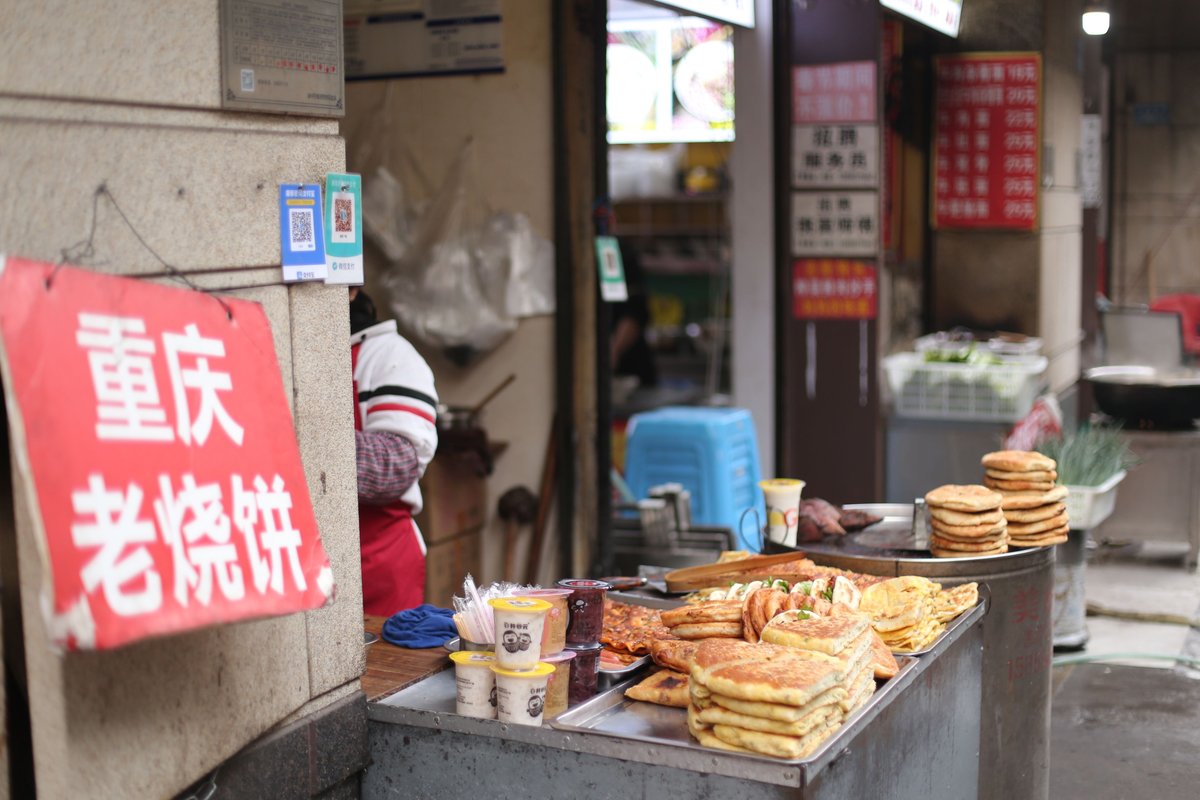
Best Chinese Food for International Students: What to Try in 2026
Let me be real with you — one of the biggest worries when you move to China for studies isn’t the language barrier or the visa process. It’s the food. What are you going to eat? Will you like it? Will you survive on instant noodles for four years? I’ve talked to dozens of international students who’ve been through it, and here’s the truth: Chinese food is way more varied and accessible than most people expect. You just need to know what to look for and where to start. So here’s a practical rundown of the best Chinese food any international student should try — and actually enjoy. Why You Shouldn’t Be Scared of Chinese Food First things first — the Chinese food you’ve had back home (looking at you, Panda Express) is not real Chinese food. It’s an Americanized version that focuses on sweet, fried, and saucy. Real Chinese cuisine is incredibly diverse. Think light steaming, bold spice numbing your tongue, rich broths that take hours to make, and vegetables cooked just enough to keep their crunch. Every region in China has its own style. Sichuan will blow your head off with chili and Sichuan peppercorns. Cantonese food is…- 53
- 0
Cost of Living in China: City-by-City Guide for Students 2026
So you are planning to study in China and wondering how much cash you will actually need each month. Fair question. Cost of living in China is way cheaper than the US, UK, or Australia — but it is not the same everywhere. A student in Shanghai burns through money way faster than someone in Xi’an or Chengdu. Here is the real breakdown city by city so you can plan your budget without guessing. Monthly Cost of Living at a Glance Below is what international students typically spend per month in different Chinese cities. These numbers include rent (shared dorm or off-campus apartment), food, transport, utilities, and a bit of fun money. Tuition is not included — that is a separate bill. CityMonthly Budget (RMB)Monthly Budget (USD)VibeBeijing3,500 – 5,500$480 – $760Expensive but world-classShanghai3,500 – 6,000$480 – $830Most expensive, most internationalShenzhen3,000 – 5,000$415 – $690Modern, techy, mid-rangeGuangzhou2,500 – 4,000$345 – $550Affordable, great foodNanjing2,500 – 4,000$345 – $550Historic, student-friendlyChengdu2,000 – 3,500$275 – $480Cheap, amazing food, laid-backWuhan2,000 – 3,500$275 – $480Central hub, very affordableXi’an1,800 – 3,000$250 – $415Cheapest, rich historyHarbin1,800 – 3,000$250 – $415Cold but super cheap Where Your Money Actually Goes Here is the truth — rent is your biggest chunk by…- 125
- 0
Student Life










![How to Open a Bank Account in China as a Foreign Student [2026]](https://wentchina.com/wp-content/webpc-passthru.php?src=https://wentchina.com/wp-content/uploads/2026/06/bank-interior-china-e1781571846766.jpg&nocache=1)







![Chinese Language Learning Tips for International Students [Practical Guide 2026]](https://wentchina.com/wp-content/webpc-passthru.php?src=https://wentchina.com/wp-content/uploads/2026/06/chinese-language-learning-classroom.jpg&nocache=1)

![Healthcare in China: A Guide for International Students [2026]](https://wentchina.com/wp-content/webpc-passthru.php?src=https://wentchina.com/wp-content/uploads/2026/06/healthcare-china-international-students.jpg&nocache=1)


Scan to open current page
- ¥CouponsLimitation of useExpired and UnavailableLimitation of use
before
Limitation of usePermanently validCoupon ID:×Available for the following products: Available for the following products categories: Unrestricted use:Available for all products and product types