
Moving to China for university is an exciting adventure, but adjusting to daily life on a foreign campus comes with real challenges. From finding the right accommodation to navigating meal halls, transportation, and budgeting — your comfort depends on understanding how campus life actually works. In 2026, Chinese universities offer significantly improved facilities for international students, with modern dormitories, diverse dining options, and seamless digital payment systems that make daily life easier than ever.
This guide covers everything you need to know about student life in China: accommodation options and costs, food and dining, transportation on and off campus, budgeting tips, healthcare access, and practical advice for making the most of your experience.
Accommodation Options for International Students in China
The biggest question for any incoming student is where to live. Chinese universities typically offer three main accommodation pathways for international students.
1. University International Student Dormitories (On-Campus)
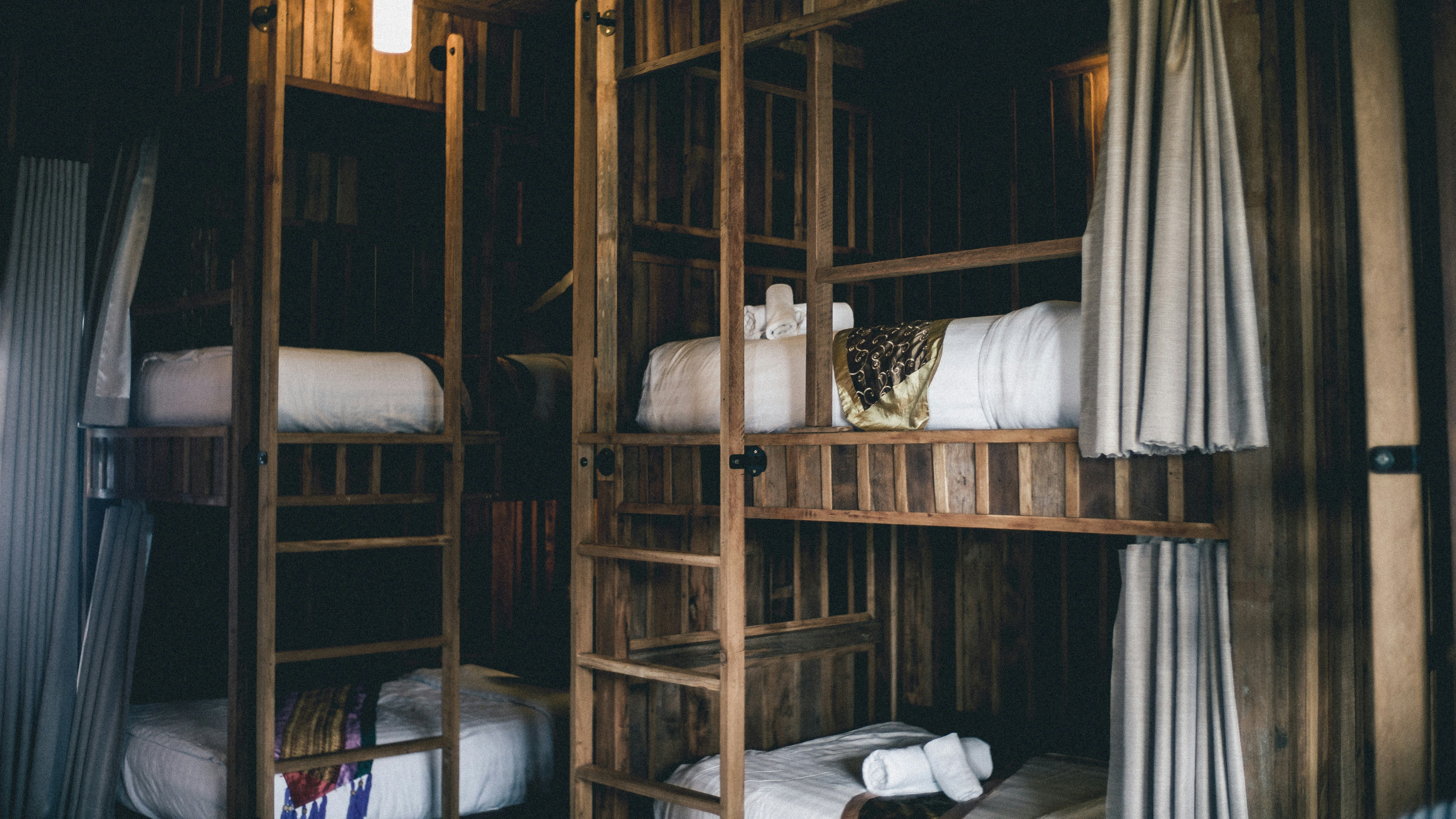
Most Chinese universities reserve dedicated dormitory buildings for international students. These are the most popular choice for first-year students and offer the best integration into campus life.
| Dormitory Type | Cost Per Semester | Features |
|---|---|---|
| Standard Double Room | ¥3,000-6,000 | Shared room with 2 beds, desks, wardrobe, shared bathroom on floor |
| En-suite Double Room | ¥5,000-10,000 | Private bathroom with shower, AC, TV, mini-fridge |
| Single Room (En-suite) | ¥8,000-18,000 | Private room with bathroom, often in newer international apartment buildings |
| Apartment-Style (2BR) | ¥12,000-22,000 | Shared apartment with kitchen, living room, 2 bedrooms, suitable for couples |
Top universities like Tsinghua, Peking University, Fudan, and Zhejiang University offer Zijing-style international student apartments with modern amenities: 24-hour hot water, air conditioning, high-speed WiFi, laundry rooms on every floor, and common areas with vending machines and study spaces. Most dormitories also have a 24-hour reception desk and security.
2. Off-Campus Rentals
After the first year, many international students choose to move off campus. Renting an apartment gives you more independence, space, and privacy. Typical costs vary widely by city:
| City | 1BR Near University (Monthly) | 3BR Shared (Monthly per person) |
|---|---|---|
| Beijing | ¥4,000-8,000 | ¥2,500-4,500 |
| Shanghai | ¥4,500-9,000 | ¥3,000-5,000 |
| Guangzhou | ¥2,500-5,000 | ¥1,500-3,000 |
| Wuhan | ¥1,500-3,500 | ¥800-2,000 |
| Chengdu | ¥1,800-3,500 | ¥1,000-2,000 |
| Nanjing | ¥2,000-4,000 | ¥1,200-2,500 |
Tip: If you rent off campus, register your address at the local police station (派出所) within 24 hours — this is a legal requirement for all foreign residents. Most landlords or agents will help you with this process.
3. Homestay Programs
A growing number of Chinese universities offer homestay options where you live with a Chinese family. This is excellent for language immersion and cultural understanding, though it comes with less independence. Homestay costs typically range from ¥3,000-6,000 per month, including meals. Families are usually vetted by the university’s international student office.
Food and Dining on Campus

Chinese university cafeterias (食堂, shitang) are legendary for their variety, affordability, and quality. A typical campus meal costs between ¥8-25 ($1-3.50), making eating on campus one of the biggest advantages of studying in China.
What You’ll Find in a Chinese University Cafeteria
- Rice & Noodle Windows: The staple — fried rice, noodle soup, and “cover rice” (盖浇饭, gàijiāo fàn) with meat and vegetable toppings, ¥8-18
- Stir-Fry Stations: Choose 2-3 dishes with rice, ¥10-20. Typical options include kung pao chicken, tomato eggs, mapo tofu, and braised pork
- Hotpot & Noodle Bars: Lanzhou pulled noodles, Sichuan hotpot stations, and dumpling (饺子) counters, ¥12-25
- Western & Halal Options: Most large universities now have dedicated halal canteens and western food sections with pasta, sandwiches, and salads, ¥15-30
- Beverage & Fruit Shops: Bubble tea (奶茶), fresh juice, and cut fruit — typically ¥5-15
Many universities have also introduced digital payment systems in their cafeterias. Your student ID card (校园卡) doubles as a meal card — simply tap to pay. Top up your card at machines near the cafeteria entrance, or via WeChat/Alipay linked to your student account.
International Student Food Tips
- Halal food is widely available — look for signs saying 清真 (Qīngzhēn) or ask your international office for halal canteen locations
- Most cities have international supermarkets (e.g., Carrefour, Walmart, Sam’s Club, or local import stores) where you can buy familiar ingredients from home
- Food delivery apps like Meituan (美团) and Ele.me (饿了么) deliver restaurant meals to your dorm 24/7 for ¥3-5 delivery fee
- Dining halls on Chinese campuses are open for breakfast (6:30-9:00), lunch (11:00-13:00), and dinner (17:00-19:00) — plan your meals accordingly
Getting Around: Transportation for Students
On-Campus Transportation
Chinese university campuses are often massive — Tsinghua’s campus covers 460 hectares, and Zhejiang University’s Zijingang campus is even larger. Most students get around campus using shared bicycles (共享单车). The three major bike-sharing apps — Meituan Bike (美团单车), HelloBike (哈啰出行), and DiDi Bike (青桔单车) — charge about ¥1-1.5 per ride or ¥15-25 for a monthly unlimited pass. Many universities also run internal shuttle buses (校园巴士) that circle the campus for free or a nominal fee.
Off-Campus Transportation
| Transport Mode | Cost | Best For |
|---|---|---|
| Metro/Subway | ¥3-10 per trip (student discount available) | Daily commuting, fastest in big cities |
| Bus | ¥1-2 per trip (student IC card at 50% off) | Short trips, areas without metro coverage |
| DiDi (Ride-Hailing) | ¥10-40 per trip | Late nights, group trips, airport transfers |
| Shared Bike | ¥1-1.5 per ride / ¥15-25 monthly pass | Short distances, last mile to campus gate |
| High-Speed Rail | ¥100-600 per trip (student discount available) | Weekend travel, holidays, city-hopping |
Tip: Get a student transportation IC card (公交卡/一卡通) upon arrival. It gives you 50% off buses and some metro lines. You can buy and top it up at any metro station or convenience store like 7-Eleven, FamilyMart, or Lawson.
Monthly Cost of Living Breakdown

| Expense Category | Budget (¥/month) | Notes |
|---|---|---|
| Accommodation (on-campus) | 800-3,000 | Single or shared dorm room per semester ÷ 5 months |
| Food | 1,200-2,500 | Campus cafeteria + occasional eating out |
| Transportation | 200-500 | Metro, bus, shared bikes, occasional DiDi |
| Phone & Internet | 100-200 | SIM card + campus WiFi (usually free) |
| Utilities | 100-300 | Electricity, water, AC/heating (may be included in dorm fee) |
| Entertainment & Misc | 500-1,500 | Movies, travel, shopping, gym, hobbies |
| Total (Budget) | ¥2,900-8,000 | Varies significantly by city and lifestyle |
Healthcare & Medical Services
Chinese universities require all international students to have medical insurance. Most universities offer a group insurance plan (typically ¥600-1,200 per year) that covers outpatient and inpatient care at the university hospital (校医院). The university hospital can handle routine issues like colds, minor injuries, and basic checkups. For serious conditions, you’ll be referred to a partner public hospital.
All major Chinese cities have international clinics (e.g., Parkway Health, United Family Healthcare, Beijing United Family Hospital) that offer English-speaking doctors, though these are significantly more expensive. Keep your insurance card and passport with you at all times in case of emergencies.
Banking & Digital Payments
China runs on digital payments. You’ll need to set up these services within your first week:
- Bank Account: Most students open an account at Bank of China, ICBC, or China Merchants Bank. Bring your passport, student ID, and a utility bill/dormitory certificate. The process takes about 30 minutes.
- WeChat Pay (微信支付): Link your Chinese bank account to WeChat. This is used everywhere — from cafeteria payments to utility bills to shopping.
- Alipay (支付宝): Similar to WeChat Pay, with additional features like ride-hailing, movie tickets, and bill splitting among friends.
- International Cards: Visa/Mastercard work at most ATMs and major hotels but are not widely accepted at smaller shops or restaurants.
Practical Tips for Daily Life
- Get a Chinese phone number immediately — you need it for WeChat, Alipay, bank account, and registering with the police. China Mobile (中国移动), China Unicom (中国联通), and China Telecom (中国电信) all have student-friendly plans from ¥30-60/month with 10-30GB data
- Download essential apps before or immediately after arrival: WeChat (微信), Alipay (支付宝), DiDi (滴滴出行), Meituan (美团), Baidu Maps (百度地图) or Amap (高德地图), and your university’s official app
- Register with the local police station within 24 hours of moving into any accommodation — the international student office will usually guide you through this
- Join the International Student WeChat group for your university — this is where all important announcements, social events, and second-hand furniture listings are shared
- Understand the climate: Northern cities (Beijing, Tianjin, Harbin) have cold winters (below -10°C) with heating, while southern cities (Guangzhou, Shenzhen) are hot and humid year-round. Shanghai and the Yangtze River Delta have all four seasons
- Learn basic Chinese phrases for daily life: 多少钱 (how much), 我要这个 (I want this one), 谢谢 (thank you), 在哪里 (where is), and 帮忙 (help) will make your daily life significantly easier
- Take advantage of student discounts: Your student ID gets you 50% off at many museums, parks, attractions, and train tickets
Safety and Security
China is consistently ranked as one of the safest countries for international students. Most university campuses have 24-hour security patrols, CCTV coverage, and controlled gate access. Dormitories require student ID card access for entry. The emergency numbers to remember are: Police 110, Fire 119, and Ambulance 120. Your university’s international student office also operates a 24-hour emergency hotline — save this number in your phone on arrival.
Adjusting to student life in China takes time, but the country’s modern infrastructure, affordable living costs, and supportive university communities make the transition smoother than most students expect. The key is to arrive prepared, set up your essentials in the first week, and take advantage of everything your university offers — from campus clubs to language exchange programs to cultural excursions organized by the international office.