
Chinese Proficiency Exams Compared 2026: HSK, HSKK, TOCFL, BCT, and YCT — Which Test Should You Take?
If you're learning Chinese, at some point you'll need to prove your level. Maybe for a university application. Maybe for a job. Maybe just to see how far you've come. And that's where the exams come in — lots of them. HSK, HSKK, TOCFL, BCT, YCT — the acronyms pile up fast. Each one serves a different purpose, targets a different audience, and is recognized by different institutions. Pick the wrong one and you waste months of prep. Pick the right one and doors open. This guide breaks down every major Chinese proficiency exam in 2026 — what they test, who accepts them, how much they cost, and which one is right for your specific situation. No fluff, just the facts you need to decide. Overview: The Five Major Chinese Proficiency Exams Before diving into details, here's a quick comparison table: ExamFull NameSkills TestedBest ForFee (CNY) HSKHanyu Shuiping KaoshiReading, Listening, WritingUniversity admissions, jobs150-650 HSKKHanyu Shuiping Kouyu KaoshiSpeaking onlyOral fluency certification100-300 TOCFLTest of Chinese as a Foreign LanguageListening, Reading, Speaking, WritingTaiwan unis & scholarships1,200-2,400 BCTBusiness Chinese TestBusiness listening, reading, speakingBusiness professionals200-500 YCTYouth Chinese TestListening, ReadingYoung learners (under 15)80-200 1. HSK (Hanyu Shuiping Kaoshi) — The Gold Standard The HSK is the…Cultural Integration in China 2026: How International Students Adapt to Chinese Life, Customs, and Social Norms While Learning Mandarin
Arriving in China as an international student is exciting. The food, the energy, the sheer scale of cities like Beijing and Shanghai — everything feels like an adventure. But after the first week, something else sets in. The subway announcements you can't understand. The food you don't recognize. The social customs nobody explained. This is the cultural adjustment phase, and every international student goes through it. The difference between students who thrive in China and those who struggle is not language ability. It's cultural integration. Students who actively learn to navigate Chinese customs, festivals, social norms, and daily life routines adapt faster, make more friends, and perform better academically. Language and culture are inseparable in China — understanding how things work socially unlocks the language in ways textbooks never can. This guide covers everything about cultural integration for international students in China in 2026 — Chinese festivals and traditions, social etiquette, daily life norms, making local friends, overcoming culture shock, and practical tips for feeling at home in China while learning Mandarin. Why Cultural Integration Matters for Language Learning Chinese is a high-context language. What you say is often less important than how you say it, when you say it,…Immersive Chinese Learning in China 2026: How to Master Mandarin Through Real-Life Experiences and Language Immersion Programs
You can study Chinese from a textbook for two years and still freeze when a street vendor asks you how many 辣 (l�) you want. Or you can immerse yourself in China and have functional conversations within three months. The difference isn't talent — it's environment. Immersion is the single most effective way to learn Chinese, and China is the only place where you can get it in its purest form. Chinese is fundamentally different from European languages. Tones, characters, grammar structures — nothing maps neatly to English or Spanish or Arabic. Classroom learning gives you the framework, but your brain needs real-world repetition to wire the connections. Every noodle shop order, every WeChat message, every confused look from a taxi driver is a learning opportunity. That's what immersion means: turning your entire day into a Chinese lesson. This guide covers everything about immersive Chinese learning in China for 2026 — how immersion programs work, what daily life looks like, strategies to accelerate your progress, and real advice from students who went from zero to conversational through immersion. Why Immersion Works for Chinese Research in second language acquisition consistently shows that immersion learning outperforms classroom-only instruction by a wide margin.…Complete Guide for Russian Students to Study in China 2026: Chinese Language, Engineering, MBBS, Business, Scholarships, and Visa
China and Russia share one of the most dynamic educational partnerships in the world. In the 2024-2025 academic year, more than 21,000 Russian students were studying in China, while over 56,000 Chinese students were studying in Russia, according to Russian Minister of Science and Higher Education Valery Falkov. The two countries have set an ambitious goal of reaching 100,000 bilateral student exchanges by 2030 — a clear signal of the growing importance of Russia-China educational cooperation. China's total international student population reached 380,000 from 191 countries in 2024-2025, according to the Chinese Ministry of Education. Russian students are among the fastest-growing groups, driven by deepening bilateral ties, expanding economic cooperation, and Russia's strategic pivot toward Asia. The number of applicants for student visas at Russian consular establishments in China has doubled in the past two years alone. What makes China particularly attractive for Russian students is the combination of world-class universities at affordable prices, generous scholarship programs (500 to 1,000 Chinese government grants allocated to Russian students annually), and the growing demand for Chinese-language professionals in the Russian job market. In 2025, Russian companies posted almost 11,000 job openings requiring Chinese proficiency — a 44 percent increase from 2021. This…Combining English-Taught Programs with Chinese Language Learning in China 2026: How to Balance Your Major and Mandarin Skills
More international students than ever are choosing China for their university education — not just for a degree, but for the opportunity to learn Chinese at the same time. Over 500,000 international students studied in China in 2025, and nearly 60% of them enrolled in English-taught programs while taking Chinese language classes on the side. It sounds ideal. You get a globally recognized degree taught in English, plus daily immersion in the world's most spoken language. But balancing a demanding academic program with serious Chinese language study is harder than it looks. Classes pile up. HSK prep gets pushed aside. By graduation, many students end up with conversational Chinese but not the fluency they wanted. This guide covers exactly how to combine an English-taught degree with Chinese language learning in China — which universities offer the best setup, how to structure your schedule, and what strategies actually work. Why Combine an English-Taught Degree with Chinese? There is a clear career advantage to graduating with both a Western-style degree and Chinese proficiency. Employers in Asia — and increasingly around the world — value candidates who can operate in both English and Chinese business environments. A graduate who understands engineering in English…Chinese Language Programs in China 2026: Online vs On-Campus Study Options, Flexible Schedules, and Career Pathways for International Students
Chinese language programs in China have evolved dramatically over the past few years. The traditional model — full-time, on-campus, 20 hours per week — is no longer the only option. Today, international students can choose from online courses, part-time evening programs, weekend classes, hybrid formats combining virtual and in-person instruction, and intensive summer boot camps. The flexibility means there is now a Chinese language program for every schedule, budget, and learning style. The demand for Chinese language skills continues to grow globally. With China's economy remaining the world's second-largest and Chinese companies expanding internationally, proficiency in Mandarin is increasingly valuable across industries — from international trade and finance to technology, tourism, and diplomacy. But not every student can commit to a full-time, year-long program in China. That is where the new generation of flexible study options comes in. This guide covers the full spectrum of Chinese language programs available in 2026 — traditional on-campus, online, hybrid, and part-time — with detailed comparisons of costs, time commitments, effectiveness, and the career benefits each path offers. The Changing Landscape of Chinese Language Education Chinese language education has undergone a major transformation. Before 2020, nearly all international students studying Chinese in China were…Complete Guide for Japanese Students to Study in China 2026: Chinese Language, Engineering, Business, MBBS, Scholarships, and Visa
Japan and China share one of the deepest educational relationships in East Asia. According to the Japan Student Services Organization (JASSO), approximately 14,000 Japanese students were studying abroad in the 2023-2024 academic year, with China consistently ranking among the top destinations. China's total international student population reached 380,000 from 191 countries in 2024-2025, according to the Chinese Ministry of Education, and Japanese students represent a steady and growing contingent. What makes China uniquely attractive for Japanese students is the combination of cultural familiarity, geographic proximity, and academic excellence. A flight from Tokyo to Shanghai takes just three hours, and from Osaka to Beijing about two and a half. Japanese students already read kanji (Chinese characters), giving them a massive head start in learning Chinese compared to students from almost any other country. At the same time, Chinese universities are climbing global rankings rapidly, offering world-class programs at a fraction of the cost of Japanese or Western universities. This guide covers everything Japanese students need to know about studying in China in 2026 — from program options and university rankings to visa policies, scholarship opportunities, and practical advice for making the transition from Japan to China. Why Study in China as…Learn Chinese in China 2026: Language Immersion Programs, Cultural Experiences, and Practical Tips for International Students to Achieve Fluency
Every year, over 600,000 international students choose China for Chinese language study. But here is the truth that glossy brochures do not tell you: the fastest progress does not come from textbooks. It comes from being forced to navigate real life in Chinese — buying train tickets, arguing with street vendors, and making Chinese friends who do not speak English. China offers one of the most immersive language learning environments on the planet. The combination of full-time Chinese language programs, affordable living costs, rich cultural heritage, and daily exposure to Mandarin makes it the top destination for serious language learners. But choosing the right program and approach matters — and that is exactly what this guide covers. This article explores the best Chinese language immersion programs in China for 2026, how to maximize your learning through cultural experiences, practical daily life tips, and strategies that fast-track fluency. Whether you are a complete beginner or an intermediate learner aiming for HSK 6, this guide will help you make the most of your time in China. Why Immersion is the Fastest Way to Learn Chinese Research consistently shows that immersion is the most effective method for language acquisition. A study by the…Complete Guide for Korean Students to Study in China 2026: MBBS, Engineering, Business, Chinese Language, Scholarships, and Visa
South Korea and China share one of the most dynamic educational relationships in East Asia. According to the Korean Ministry of Education's 2024 survey, approximately 14,512 Korean students were enrolled in Chinese universities — making China the third most popular study destination for Korean students after the United States (43,847) and Japan (15,930). While the number has declined from a peak of 73,240 in 2017, China remains a major destination for Korean students seeking affordable, high-quality education just a short flight from home. What makes China unique for Korean students is the combination of geographic proximity, cultural familiarity, and rapidly growing academic reputation. A flight from Seoul to Beijing takes just two hours — shorter than a trip from Seoul to Jeju. Korean students share Confucian cultural roots, eat with chopsticks, and find many aspects of daily life in China surprisingly familiar. At the same time, Chinese universities are rising rapidly in global rankings, offering world-class programs in engineering, medicine, and business at a fraction of the cost of Western universities. This guide covers everything Korean students need to know about studying in China in 2026 — from program options and university rankings to visa policies, scholarship opportunities, and practical…Intensive Chinese Language Programs in China 2026: HSK Preparation, Course Costs, and Best Universities for International Students
For international students serious about learning Mandarin, an intensive Chinese language program in China is the fastest path to fluency. Unlike casual weekly classes, intensive programs immerse you in the language for 20-30 hours per week, combining classroom instruction with real-world practice. The results speak for themselves — students in full-time programs typically advance one HSK level every 2-3 months. China now hosts over 500,000 international students studying Chinese, and the number grows every year. Universities across the country have refined their Chinese language curricula to meet international standards, with many programs now specifically designed to prepare students for the HSK (Hanyu Shuiping Kaoshi) exam — the globally recognized Chinese proficiency test. Whether you're aiming for HSK 3 to qualify for a degree program or HSK 6 for professional translation work, choosing the right intensive program makes all the difference. What Defines an Intensive Chinese Language Program? Intensive programs are fundamentally different from standard or part-time courses. Here's what sets them apart: FeatureStandard ProgramIntensive Program Class hours per week8-12 hours20-30 hours HSK levels per year1-2 levels3-4 levels Class size15-25 students8-15 students Self-study expectation5-10 hrs/week15-20 hrs/week Cultural activitiesOptionalIntegrated weekly HSK exam preparationAdd-onBuilt into curriculum Intensive programs work best for students who…Chinese Language Programs in China 2026: A Complete Guide for International Students
More people are learning Chinese than ever before. Over 200 million people worldwide are studying Chinese as a second language, and a huge number of them choose to do it in China. Not because it's trendy — but because immersion works. You can study Chinese grammar from a textbook in your home country, but you can't practice ordering street food in Beijing, negotiating with a taxi driver in Shanghai, or reading a menu in Chengdu from your living room. China offers an incredible range of Chinese language programs — from short summer courses to full bachelor's degrees in Chinese language and literature. Some are designed for absolute beginners who have never seen a Chinese character. Others are intensive programs for advanced learners who need to pass HSK 6 for their careers. The key is picking the right program for your level, goals, and budget. This guide covers everything you need to know about Chinese language programs in China for 2026 — top universities, costs, HSK requirements, visa types, scholarships, and real student advice. Why Study Chinese in China? There are two ways to learn Chinese: study it abroad, or immerse yourself in China. The second works better, and it's not…Chinese Language Programs in China 2026: A Complete Guide for International Students
More people are learning Chinese than ever before. Over 200 million people worldwide are studying Chinese as a second language, and a huge number of them choose to do it in China. Not because it's trendy — but because immersion works. You can study Chinese grammar from a textbook in your home country, but you can't practice ordering street food in Beijing, negotiating with a taxi driver in Shanghai, or reading a menu in Chengdu from your living room. China offers an incredible range of Chinese language programs — from short summer courses to full bachelor's degrees in Chinese language and literature. Some are designed for absolute beginners who have never seen a Chinese character. Others are intensive programs for advanced learners who need to pass HSK 6 for their careers. The key is picking the right program for your level, goals, and budget. This guide covers everything you need to know about Chinese language programs in China for 2026 — top universities, costs, HSK requirements, visa types, scholarships, and real student advice. Why Study Chinese in China? There are two ways to learn Chinese: study it abroad, or immerse yourself in China. The second works better, and it's not…Complete Guide for Thai Students to Study in China 2026: MBBS, Chinese Language, Scholarships, and Visa
Thailand and China share a deep educational connection. In 2025, over 40,000 Thai students were studying in China, making Thailand one of the top source countries for international students in China. With the Belt and Road Initiative strengthening ties between the two countries, direct flights from Bangkok to Kunming taking just two hours, and over 217 scholarships available specifically for Thai students, China has become the top study destination for Thai students after the United States. Whether you're looking for an MBBS degree, a Chinese language program, a business degree, or a full scholarship, China offers options at every level. This guide covers everything Thai students need to know — from application requirements and visa procedures to scholarship opportunities and cost of living — to make your study in China dream a reality in 2026. Why Study in China as a Thai Student? China is the world's second-largest economy and Thailand's largest trading partner. Speaking Chinese and holding a Chinese university degree gives Thai graduates a massive advantage in the job market back home. Here's why more Thai students choose China every year: Geographic proximity: Kunming is only a 2-hour flight from Bangkok. Guangzhou and Chengdu are 2.5-3 hours away.…Chinese Language Programs in China 2026: A Complete Guide for International Students
More people are learning Chinese than ever before. Over 200 million people worldwide are studying Chinese as a second language, and a huge number of them choose to do it in China. Not because it's trendy — but because immersion works. You can study Chinese grammar from a textbook in your home country, but you can't practice ordering street food in Beijing, negotiating with a taxi driver in Shanghai, or reading a menu in Chengdu from your living room. China offers an incredible range of Chinese language programs — from short summer courses to full bachelor's degrees in Chinese language and literature. Some are designed for absolute beginners who have never seen a Chinese character. Others are intensive programs for advanced learners who need to pass HSK 6 for their careers. The key is picking the right program for your level, goals, and budget. This guide covers everything you need to know about Chinese language programs in China for 2026 — top universities, costs, HSK requirements, visa types, scholarships, and real student advice. Why Study Chinese in China? There are two ways to learn Chinese: study it abroad, or immerse yourself in China. The second works better, and it's not…Intensive Chinese Language Programs at Chinese Universities: What 20+ Hours a Week Does to Your Mandarin
When you tell people you are studying Chinese in China full-time, they usually imagine you wandering around ordering bubble tea and picking up phrases here and there. The reality, if you sign up for an intensive program, is a lot more structured - and a lot more effective. Most Chinese universities offer at least two tracks for international students: a standard program running about 10–12 hours of class per week, and an intensive one that clocks 20–25 hours. The difference is not just in the clock - it is in how fast your brain rewires itself to think in characters rather than translate everything from English. Let us walk through what actually happens when you go all-in. How Intensive Programs Are Structured Intensive Chinese language programs typically run Monday through Friday, with four to five class hours each morning. Afternoons are split between self-study, language labs, and sometimes one-on-one tutoring sessions. The curriculum at most universities follows the HSK progression framework, but the pace is significantly faster. Take Beijing Language and Culture University (BLCU) - often called the "Harvard of Chinese language" by international students. Their intensive track pushes through one HSK level every 10 to 12 weeks. A student…Chinese Language Programs in China for Thai Students: Complete Guide 2026
Why Learning Chinese in China Makes Sense for Thai Students If you are a Thai student thinking about learning Mandarin, there's really no better place than China itself. I know that sounds obvious, but hear me out. Over the past few years, the number of Thai students heading north to study Chinese has climbed steadily. And it's not hard to see why. China and Thailand share close economic ties — Chinese companies are everywhere in Bangkok, Rayong, and Chiang Mai. Knowing the language gives you a serious edge whether you want to work in tourism, trade, logistics, or even tech. Besides the career side of things, there's something else worth mentioning. Thai people and Chinese people just click culturally. The food feels familiar (rice and noodles every day), the weather in southern China is not far off from what you are used to back home, and people are generally warm and welcoming. It's not like moving to a completely foreign world. You will find Thai communities in most major Chinese cities, especially in Kunming, which is literally a two-hour flight from Bangkok. Some students joke that they go home for the weekend more often than their friends studying in Chiang…Chinese Language Programs in China: How Long It Takes, How Much It Costs, and What Actually Works
So you want to learn Chinese in China. Good call — immersion is still the fastest way, and the country has more options than most people realize. But not every program delivers the same results, and the price range is wider than you probably expect. Let me walk through what is actually out there, what it costs, and how to pick something that fits what you need. What Kinds of Chinese Language Programs Exist? Most international students end up in one of three buckets: university-affiliated language centers, private language schools, or summer intensive programs. University programs are the most common route. Almost every major Chinese university runs a College of International Education (留学中心) that offers Chinese language courses alongside degree programs. These run on the semester system — fall starts in September, spring in February or March — and you can sign up for anywhere from one semester to two years or more. Beijing Language and Culture University (BLCU), for example, admits roughly 6,000 international students each year just for language training. Private schools like LTL Mandarin School or That's Mandarin charge more but offer smaller classes and more flexible start dates, sometimes weekly. Summer programs are shorter — usually…Chinese Language Programs in China for Vietnamese Students: Complete Guide 2026
If you are a Vietnamese student thinking about learning Chinese, you are not alone — over 32,000 Vietnamese students were studying in China by 2025, and more than half of them were enrolled in Chinese language programs. That number keeps growing every year, and for good reason. China is right next door, tuition is affordable, and knowing Chinese opens up real job opportunities back in Vietnam, especially in trade, logistics, and tourism. Chinese language programs in China usually run between 6 months and 2 years, depending on what level you want to reach. Most universities offer a 1-year intensive Chinese course that takes you from zero to HSK 4 or even HSK 5 if you put in the work. The academic year typically starts in September, but many schools also have a March intake, so you have two windows to apply each year. How Much Does It Cost? This is probably the first thing on your mind, and the good news is — it’s very affordable compared to learning Chinese in Western countries. Tuition for a full-year Chinese language program ranges from ¥12,000 to ¥28,000 (roughly 40 to 95 million VND). At schools like Guangxi University for Nationalities or Yunnan…Studying Chinese at Nanjing University: Programs, Costs, and What Students Actually Say
Nanjing is one of those cities that sneaks up on you. Most international students head straight for Beijing or Shanghai when they think about studying Chinese. But Nanjing University (NJU) ? It’s been quietly running one of the better Chinese language programs in the country for decades. And honestly, the city itself is a big part of why it works so well. I’ve talked to students who’ve done the program, looked into the costs, and checked what you actually get for your money. Here’s what I found. Two Paths: Degree vs Non-Degree NJU offers two main ways to study Chinese, and which one you pick depends entirely on what you’re after. The Long-term Chinese Language Program is what most people do. It’s a non-degree program that runs for one year (or one semester if you’re testing the waters). Classes start twice a year — early March for the spring semester and early September for the fall. If you’re aiming for the fall 2026 intake, the application deadline is June 25, so you’ve still got time. Then there’s the Bachelor’s in Chinese Language, a four-year degree program. This one requires HSK 5 with a score of 180 or above, plus you’ll…Learning Chinese at BLCU: What It’s Actually Like as an International Student
A few years back, I met a guy from Italy who had spent a year at Beijing Language and Culture University. When he spoke Chinese, I honestly thought he’d been studying for five years. His tones were clean, his sentences flowed naturally, and he casually dropped idioms I didn’t even know. That’s when I realized BLCU isn’t just another university with a Chinese program — it’s basically the headquarters for teaching Chinese to foreigners. BLCU, also known as Běijīng Yǔyán Dàxué, has been around since 1962, and it’s earned the nickname “Mini United Nations” for a good reason. Over 8,000 international students from 170+ countries walk through its gates every year. You’d be hard-pressed to find another campus where you can hear Korean, Spanish, Arabic, and Thai all in one cafeteria at lunchtime. The Programs That Matter BLCU offers three main tracks for beginners and advanced learners alike. The most popular is the General Chinese Language Program, which runs on a semester basis — spring from March to July, fall from September to January — and costs around 10,400 RMB per semester. If you’re in it for the long haul, the long-term Chinese program runs for a full academic year…2026 Fuyang Normal University international Student enrollment Prospectus 2026年阜阳师范大学国际学生招生简章
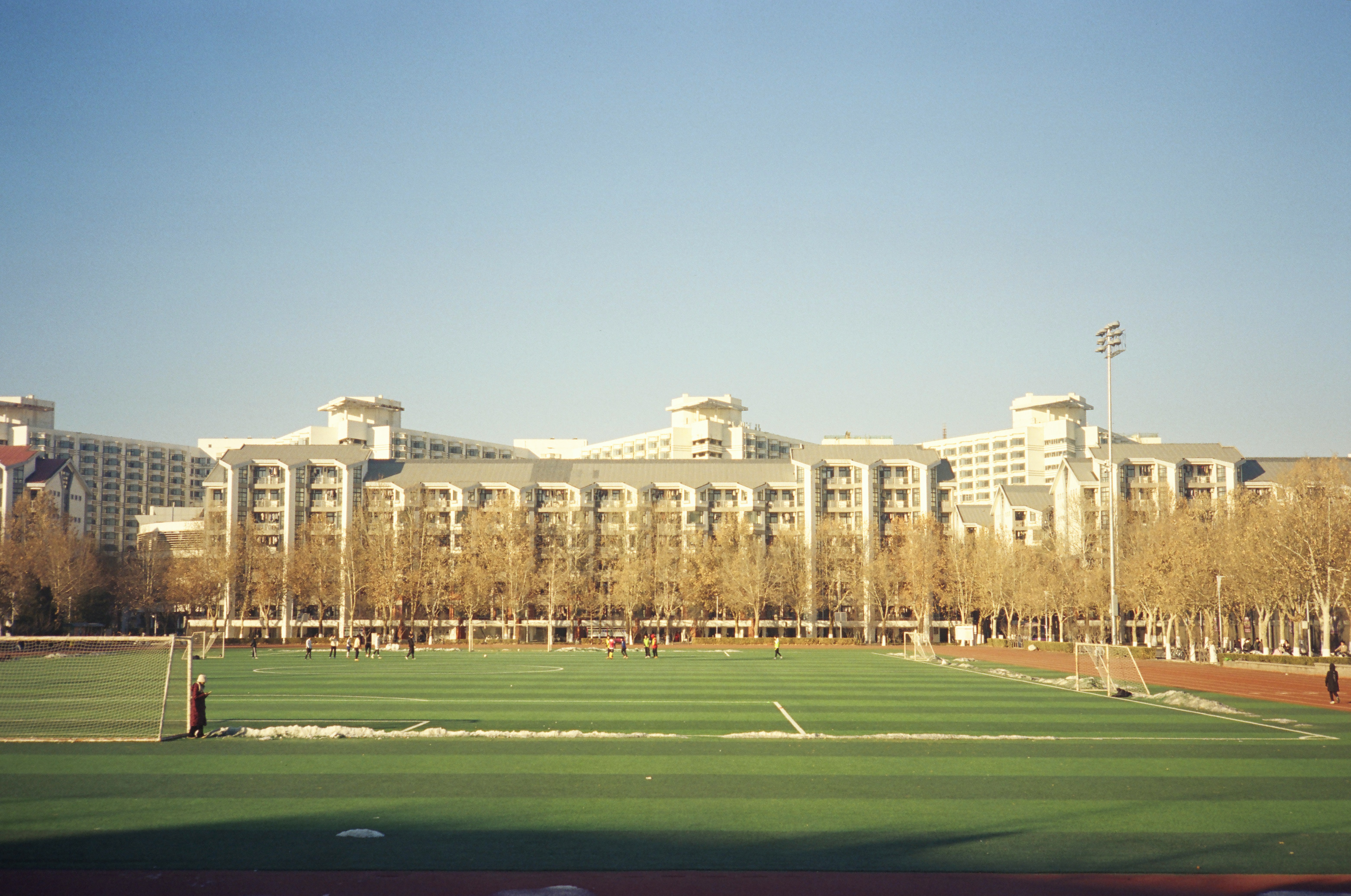
Fuyang Normal University , founded in 1956, is a multi-subject undergraduate university, focusing on undergraduate education and undertaking the task of postgraduate training.- 69
- 0
2026 Liaodong University International Chinese Teacher Scholarship Program Admission brochure 2026年辽东学院国际中文教师奖学金项目招生简章
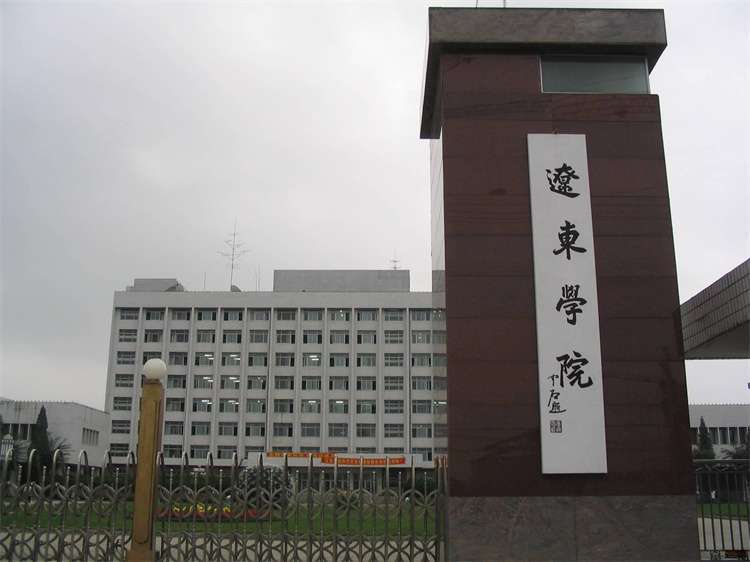
2023 Liaodong University International Chinese Teacher Scholarship Program Admission brochure- 127
- 0
2026 China Chongqing University of Arts and Sciences International Student Enrollment brochure 2026年中国重庆文理学院来华留学生招生简章
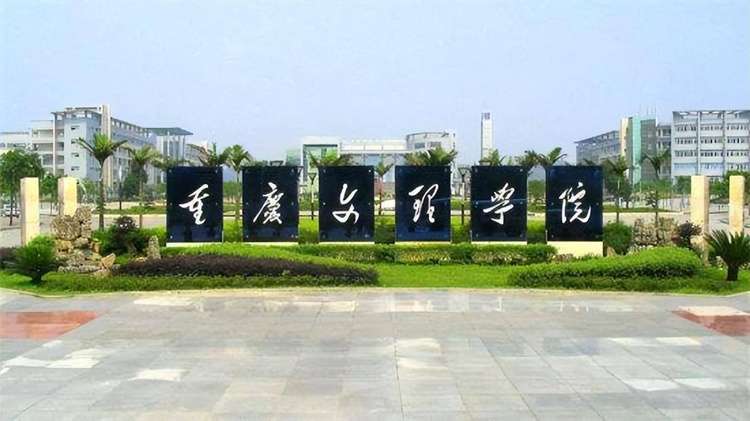
Chongqing University of Arts and Sciences is located in Yongchuan district, Chongqing City, a full-time comprehensive institution of higher education under the leadership of the Chongqing Municipal Government of P.R.China.- 229
- 0
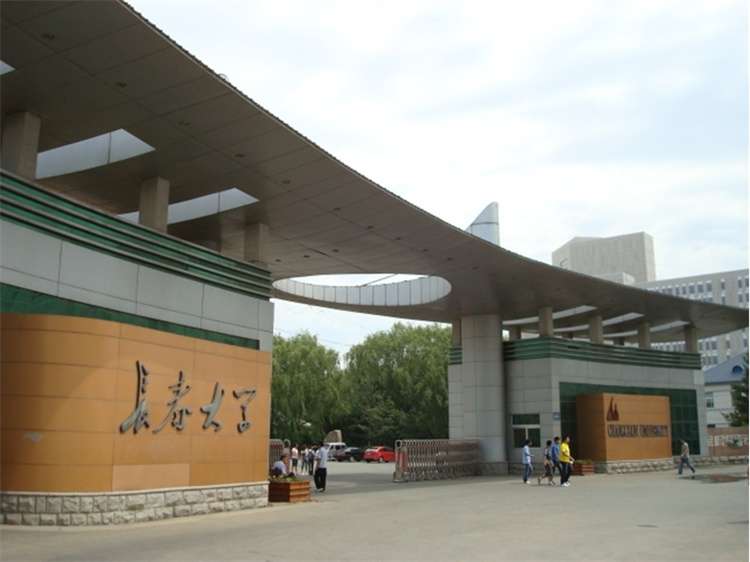
2026 Changchun University International Chinese Teacher Scholarship Enrollment brochure 2026年长春大学国际中文教师奖学金招生简章
2023 Changchun University international Chinese Government Scholarship. Jilin Province, China.- 77
- 0
Chinese Language Programs

















Scan to open current page
- ¥CouponsLimitation of useExpired and UnavailableLimitation of use
before
Limitation of usePermanently validCoupon ID:×Available for the following products: Available for the following products categories: Unrestricted use:Available for all products and product types