
If you are thinking about studying medicine abroad, China has probably crossed your mind. And for good reason — over 50 Chinese medical schools are recognized by the World Health Organization, the tuition is a fraction of what you would pay in the US or UK, and the programs are taught in English. But here is the thing: choosing where to study MBBS is a big decision, and there is a lot of information out there. This guide breaks it down so you can actually make sense of it.
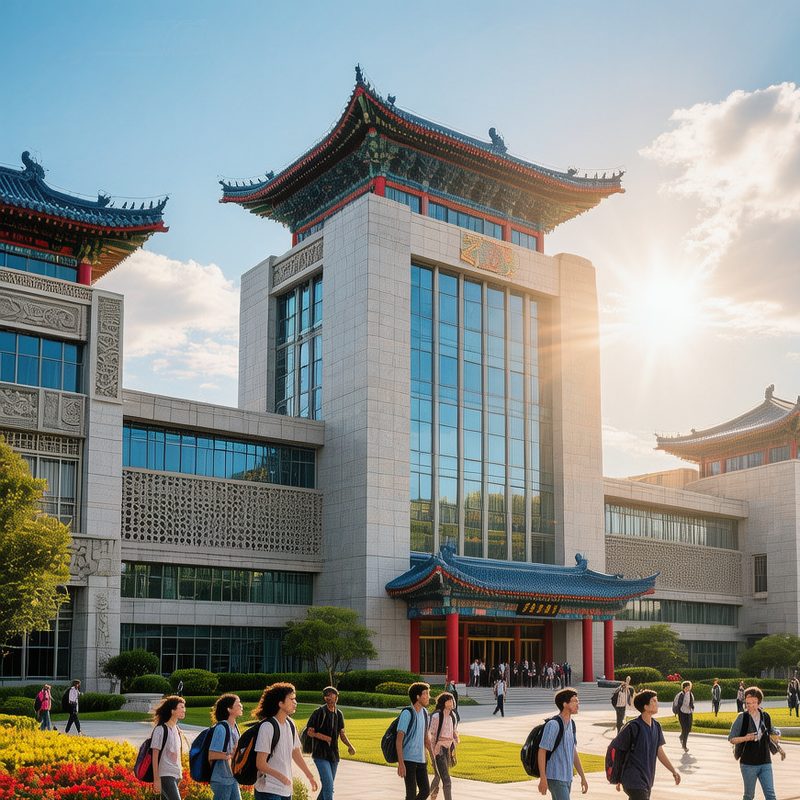
Which Chinese medical schools actually accept international students?
Not all medical schools in China accept international students, and not all of them teach in English. The ones that do tend to cluster in specific provinces. Based on our listings, here are some that come up most often:
Hainan Medical University — down in the tropical island province of Hainan. Tuition runs around ¥25,000-30,000 a year. The weather alone is a draw if you are coming from a hot climate.
Anhui Medical University — in Hefei, one of the older medical schools in China. Solid reputation, decent facilities.
Jining Medical University — Shandong province. Not as well known as some others but has been steadily growing its international program.
Guangzhou Medical University — in the heart of Guangzhou. Big city life, plenty of hospitals for clinical rotations.
Bengbu Medical University — another Anhui school. Often overlooked but offers affordable tuition and a decent program.
Each school has its own vibe, location, and cost structure. The key is to match them with your budget and what you want out of the experience.
How much does MBBS in China actually cost in 2026?
Let us talk money, because this is usually the deciding factor. Here is what you are looking at per year:
Tuition: ¥20,000 to ¥50,000 (roughly $2,800 to $7,000 USD). Big range, I know. The more prestigious schools cost more. Some provincial schools are on the cheaper end.
Dorm: ¥6,000-15,000 a year. You will almost certainly live on campus in the international student dorm.
Living expenses: ¥12,000-24,000. Food, transport, phone, occasional travel. In smaller cities, this goes further.
All in: ¥38,000 to ¥89,000 per year ($5,300-$12,500 USD).
Compare that to private medical colleges in India where you can easily drop ¥800,000 a year, or the US where annual tuition alone can hit $50,000+. China is genuinely affordable.
What documents do you need to apply?
The application process is paperwork-heavy, but straightforward once you know what to gather:
Your high school transcript and diploma (notarized and translated). A valid passport — make sure it has at least two years left on it. Passport photos with a white background (get extras, you will need them). A physical exam form from a designated hospital. A police clearance certificate showing no criminal record. A study plan or personal statement — this matters more than you think. Two recommendation letters from teachers. And for Indian students, your NEET score.
Most schools also ask for proof of English proficiency — IELTS 5.5-6.0 or TOEFL 70-80. If you studied in English before, you might be able to waive this.
Scholarships — yes, they exist
Here is something a lot of people do not realize: you do not have to pay full price. There are real scholarship options:
Chinese Government Scholarship (CSC): The big one. Covers everything — tuition, dorm, living stipend, insurance. Competitive, but worth applying for.
Provincial scholarships: Each province has its own programs. Less competitive than CSC, still worth a shot.
University scholarships: Many schools offer partial scholarships to international students. Sometimes ¥5,000-20,000 off tuition. Every bit helps.
Should you study MBBS in China or somewhere else?
This is the question everyone asks. Here is the honest breakdown:
vs India: Chinese med schools are significantly cheaper than private Indian colleges. The quality of facilities is often better. But you will need to pass FMGE or NExT to practice back in India.
vs Bangladesh: Costs are similar, but Chinese degrees tend to have wider international recognition.
vs US/UK: China costs 70-90% less. You will need USMLE or PLAB to practice in those countries, but Chinese med schools prepare you well for those exams.
vs Russia/Ukraine: China is safer and more stable. The clinical exposure is better because Chinese hospitals see a huge volume of patients.
What students actually want to know (no fluff)
Is a Chinese MBBS degree recognized back home?
It depends on your country. Chinese medical degrees are recognized by WHO, ECFMG (US), GMC (UK), PMDC (Pakistan), and most medical councils in Asia and Africa. Check with your local medical council before applying — do not assume.
Do I need to know Chinese?
Classes are in English. But you should learn basic Chinese for interacting with patients during clinical rotations. Most universities offer free Chinese classes.
How long is the program?
Six years. Five years of study plus one year of clinical internship.
Can I work in China after graduating?
If you find a job, yes. Some graduates stay for residency or postgraduate programs.
What is the age limit?
Most schools want you between 18 and 25. Some go up to 28.
Bottom line
Studying MBBS in China makes sense if you want a quality medical degree without going into massive debt. The schools are legit, the cost is reasonable, and the clinical training is solid. Just do your homework on which school fits your situation, get your documents in order, and apply early.
Browse our MBBS program listings for specific 2026 intake details at individual universities.