

Wuhan University School of Medicine (武汉大学医学部) has quietly become one of the most popular destinations for international students pursuing an MBBS in China. And unlike some universities that coast on reputation alone, this one actually delivers. Nestled in the heart of Central China along the Yangtze River, WHU combines solid clinical training, affordable tuition, and a campus that looks like it belongs in a postcard.
But here’s the real question — is Wuhan University the right fit for your MBBS journey? In this deep dive, we’re looking at everything: curriculum, teaching hospitals, dormitories, faculty quality, scholarship options, clinical rotation opportunities, and what life really looks like as a WHU medical student. No fluff, just the facts.
Wuhan University at a Glance
Before jumping into the MBBS program specifics, here’s the big picture. Wuhan University is a Project 985 and Double First-Class university, consistently ranked among China’s top 10 comprehensive universities. Its medical school traces back to 1943 when it was founded as the Hubei Provincial Medical College. Over the decades, it merged with Wuhan University in 2000 and has been growing ever since.
| Metric | Details |
|---|---|
| Established | 1943 (Hubei Provincial Medical College), merged 2000 |
| Duration | 6 years (5 years coursework + 1 year internship) |
| Teaching Language | English (with Chinese language courses) |
| Annual Tuition | ¥40,000 (~$5,600 USD) |
| Affiliated Hospitals | Zhongnan Hospital, Renmin Hospital, Wuhan Children’s Hospital, and more |
| Recognition | WHO, WFME, ECFMG, PMDC, NMC |
| International Students | 800+ from over 60 countries |
Curriculum Breakdown: What You Actually Learn
The MBBS program at Wuhan University follows a 6-year structure. The first two years focus on preclinical sciences, years 3-4 cover clinical medicine, and years 5-6 are dedicated to hospital rotations and internship.
Year 1-2: Preclinical Foundation
- Human Anatomy (with cadaver dissection — real, not just models)
- Physiology and Pathophysiology
- Biochemistry and Molecular Biology
- Microbiology and Immunology
- Chinese Language (mandatory, ~4 hours per week)
- Medical Ethics and Introduction to Clinical Medicine
Year 3-4: Clinical Medicine
- Internal Medicine (Cardiology, Gastroenterology, Pulmonology)
- Surgery (General, Orthopedic, Neurosurgery)
- Pediatrics and Obstetrics & Gynecology
- Neurology and Psychiatry
- Dermatology and Ophthalmology
- Radiology and Diagnostic Imaging
- Emergency Medicine and Critical Care
Year 5-6: Clinical Rotations & Internship
- Rotations at Zhongnan Hospital and Renmin Hospital (two of the largest teaching hospitals in Hubei province)
- Minimum 12 months of hands-on clinical training
- Opportunities to rotate through specialized departments
- Elective rotations available for interested students
Teaching Hospitals: Where You Get Real Experience
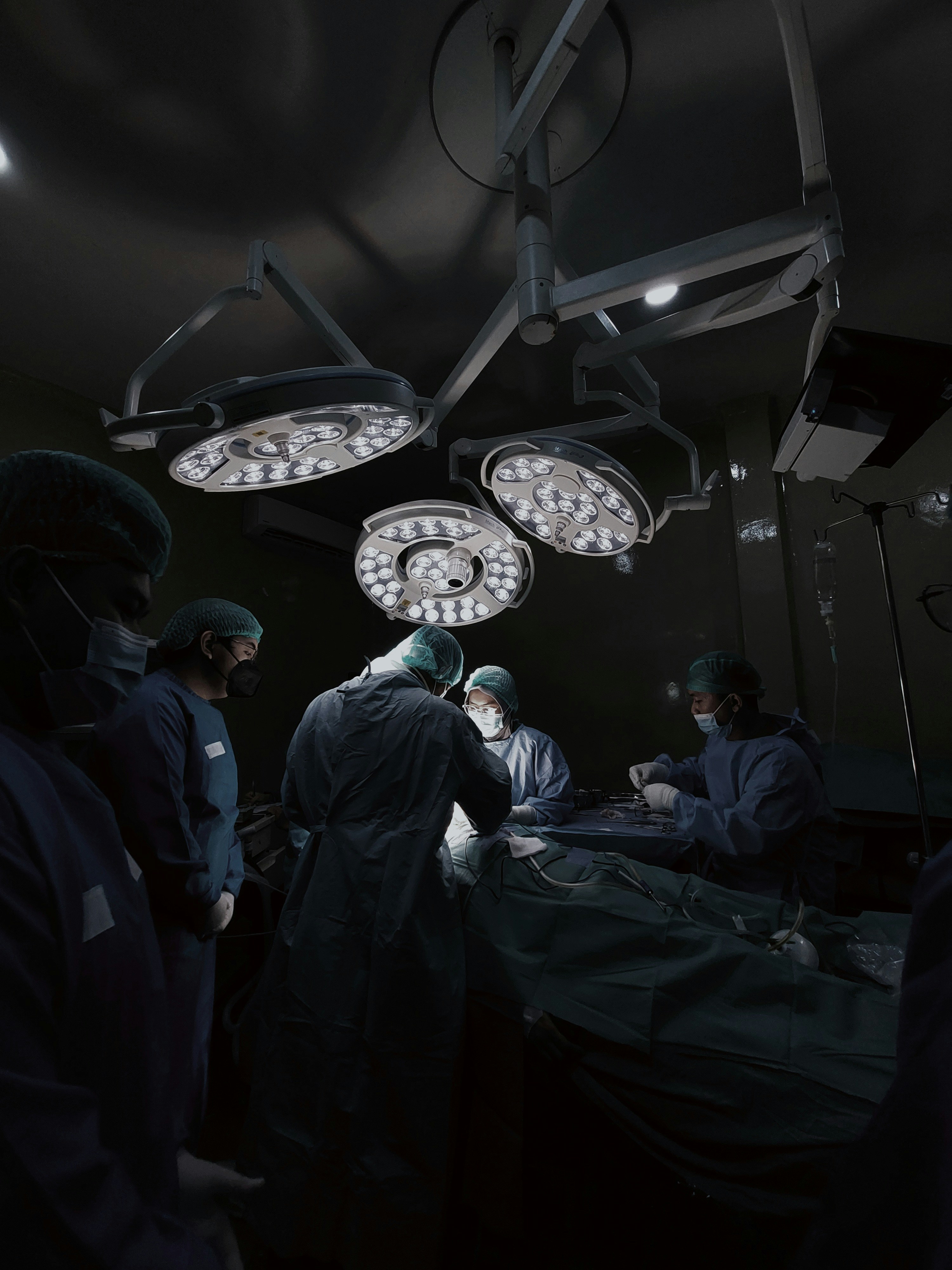
This is where WHU really shines. The university runs two massive teaching hospitals that serve a combined population of over 12 million people. That means you’re not just shadowing — you’ll see real cases, real volume, and real diversity in pathology.
Zhongnan Hospital is a Class A tertiary hospital with 3,300+ beds, one of the largest in Central China. It’s the primary teaching hospital for WHU medical students. Interns here rotate through departments handling everything from routine surgeries to complex oncology cases.
Renmin Hospital (also known as Wuhan University People’s Hospital) adds another 3,500 beds and is particularly strong in cardiology, neurology, and organ transplantation. Between the two hospitals, WHU medical students get a clinical caseload that rivals many top-tier programs globally.
Faculty and Teaching Quality
WHU’s medical faculty includes over 200 full professors, many with overseas training from Harvard, Johns Hopkins, Oxford, and Karolinska Institutet. Lectures are delivered in English, though you will inevitably pick up medical Chinese terms during clinical rotations — which honestly only helps your career later.
The university also invested heavily in simulation-based learning. The Clinical Skills Training Center features high-fidelity mannequins, simulated ward environments, and standardized patient programs. Students practice IV insertion, intubation, suturing, and even code blue scenarios before touching real patients.
Dormitories and Campus Life
International MBBS students are housed in dedicated international dormitories on the Medical Campus, located just a 10-minute walk from the teaching hospitals. Here’s what you get:
- Shared rooms (2 students per room) with air conditioning and heating
- Private bathroom with shower and western-style toilet
- Free WiFi on campus (speeds are decent — 50-100 Mbps)
- 24/7 security and front desk service
- Kitchen area on each floor (most students cook their own meals)
- Annual dorm fee: approximately ¥6,000-8,000 per year
The campus itself sits on the shores of East Lake (东湖), one of the largest urban lakes in China. The cherry blossom avenue in spring attracts visitors from all over the country. It’s genuinely beautiful — and a nice break from the heavy study schedule.
Admission Requirements for 2026
Wuhan University sets a moderately high bar for MBBS admission. You’ll need:
| Requirement | Minimum Standard |
|---|---|
| High School GPA | 75%+ in Biology, Chemistry, Physics |
| English Proficiency | IELTS 6.0+ or TOEFL 80+ (for non-native speakers) |
| Age | 18-25 years old |
| HSK | Not required for admission, but HSK 4 recommended by year 4 |
| Application Deadline | June 30, 2026 (for September intake) |
| Interview | Online interview required (typically 15-20 minutes) |
Tuition, Fees, and Scholarships
The total cost of studying MBBS at Wuhan University breaks down as follows:
| Expense Category | Annual Cost (CNY) | Annual Cost (USD) |
|---|---|---|
| Tuition | 40,000 | 5,600 |
| Dormitory | 6,000 – 8,000 | 840 – 1,120 |
| Living Expenses | 12,000 – 18,000 | 1,680 – 2,520 |
| Insurance | 800 | 112 |
| Total | ~60,000 | ~8,400 |
Wuhan University offers several scholarship opportunities for international MBBS students:
- CSC Scholarship (Chinese Government Scholarship): Covers full tuition, accommodation, living stipend (¥3,000/month), and medical insurance. Highly competitive — roughly 10-15 spots per year for MBBS.
- WHU President’s Scholarship: Partial tuition waiver (25-50%) for top-performing applicants with GPA above 85%.
- Hubei Provincial Scholarship: ¥10,000-20,000 per year for outstanding international students.
Graduate Outcomes and Licensing Exam Performance
WHU publishes limited data, but from student forums and alumni networks, here’s what we know:
- USMLE Step 1 pass rate among WHU MBBS graduates: approximately 75-80% (consistent with the national average for Chinese medical schools)
- PLAB pass rate: approximately 70%
- Employment rate within 6 months of graduation: roughly 65% go on to residency or medical practice
- Graduates have matched into residency programs in the US, UK, Australia, Germany, and across Southeast Asia and Africa
- About 20% pursue postgraduate research (Master’s/PhD) in China or abroad
Pros and Cons Summary
| Pros | Cons |
|---|---|
| ✅ Affordable tuition at ¥40,000/year | ❌ Wuhan summers are brutally hot (40°C+) |
| ✅ Two massive teaching hospitals with 6,800+ beds total | ❌ Less internationally recognized than Peking or Fudan |
| ✅ Beautiful lakeside campus with modern facilities | ❌ Limited elective course options compared to top-tier schools |
| ✅ Moderate admission requirements (75% GPA, IELTS 6.0) | ❌ Research output in clinical medicine lags behind PKU/Fudan |
| ✅ Scholarship opportunities available (CSC, President’s) | ❌ Administrative processes can be slow and paper-heavy |
Final Verdict
Wuhan University’s MBBS program is a solid mid-tier option for international students who want real clinical exposure without the astronomical tuition of top-tier schools. The 6,800+ beds across two teaching hospitals mean you’ll see cases that students at smaller programs only read about in textbooks. The campus is gorgeous, the cost is reasonable, and scholarships are available if you have the grades.
The trade-off is straightforward: you’re not getting the brand recognition of Peking University or Fudan, but you’re paying half the tuition. For students from South Asia, Africa, and the Middle East who plan to return home or sit for USMLE/PLAB, WHU offers a strong cost-benefit ratio. If you’re targeting a competitive residency in North America or Europe, you’ll need to work harder on research and networking to compensate for the less prestigious name. But it’s absolutely doable — plenty of WHU graduates have walked that path before.