
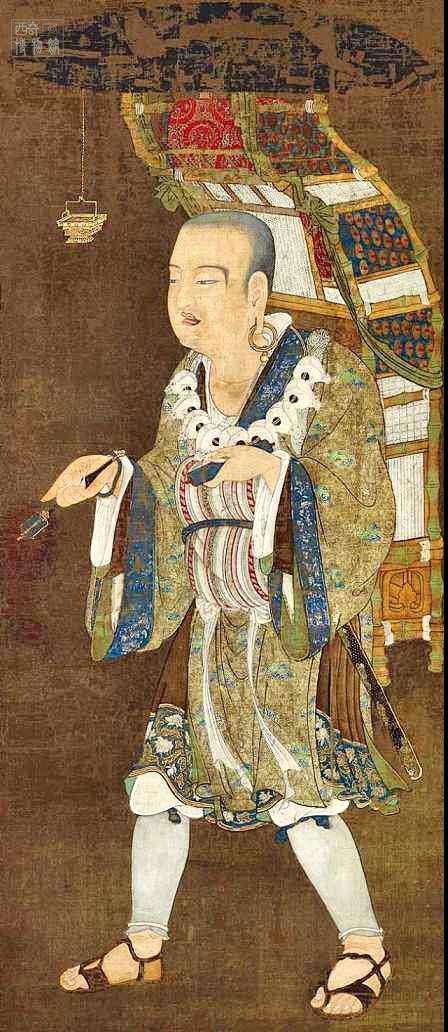
Xuanzang 玄奘
A great translator of Buddhist scriptures Overview Chinese Name: 玄奘 English Name: Xuanzang Other Names: Chen Hui 陈华;Chen Yi 陈祎 Born: 602 AD Died: 664 AD Achievements: Founder of Chinese Han Buddhism中国汉传佛教唯识宗创始人 created Great Tang Records on the Western Regions 创作了《大唐西域记》 One of the four translators of Buddhist scriptures 我国汉传佛教四大佛经翻译家之一 Brief Biography of Xuangzang Xuanzang was born on 6 April 602 in Chenliu, what is now Kaifeng municipality in Henan province. As a boy, he took to reading religious books, and studying the ideas therein with his father. Like his elder brother, he became a student of Buddhist studies at Jingtu monastery. Xuanzang was ordained as a śrāmaṇera (novice monk) at the age of thirteen. Due to the political and social unrest caused by the fall of the Sui dynasty, he went to Chengdu in Sichuan, where he was ordained as a bhikṣu (full monk) at the age of twenty. He later traveled throughout China in search of sacred books of Buddhism. At length, he came to Chang'an, then under the peaceful rule of Emperor Taizong of Tang, where Xuanzang developed the desire to visit India. He knew about Faxian's visit to India and, like him, was concerned about the incomplete and misinterpreted nature of the Buddhist texts that had reached China. He was also…Huineng 惠能
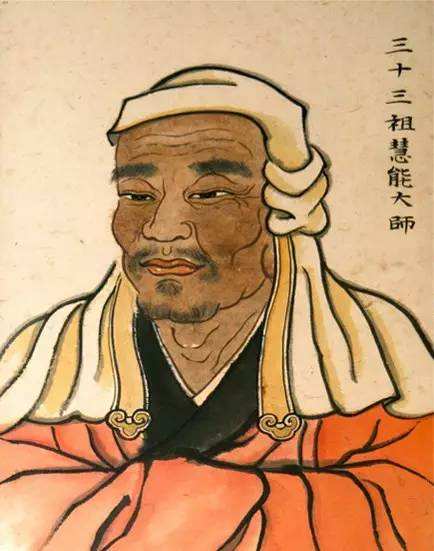
profound and significance to the development of Chinese Buddhism and Zen Buddhism. Overview Chinese Name: 惠能 English Name: Huineng Other Names: Huineng 慧能 Born: 638 AD Died: 713 AD Achievements: commonly known as the Sixth Patriarch or Sixth Ancestor of Chan 被誉为禅宗六祖 created The Platform Sutra of the Sixth Patriarch 创作了《六祖坛经》 It is of profound and solid significance to the development of Chinese Buddhism and Zen Buddhism.对中国佛教以及禅宗的弘化具有深刻和坚实的意义 Brief Biography of Huineng The two primary sources for Huineng's life are the preface to the Platform Sutra and the Transmission of the Lamp. Most modern scholars doubt the historicity of traditional biographies and works written about Huineng, considering his extended biography to be a legendary narrative based on a historical person of "merely regional significance," of whom very little is known. This legendary narrative reflects historical and religious developments which took place in the century after his life and death. Huineng 慧能 According to Huineng's autobiography in the Platform Sutra, Huineng's father was from Fanyang, but he was banished from his government position and passed away at a young age. Huineng and his mother were left in poverty and moved to Nanhai, where Huineng sold firewood to support his family. One day, Huineng delivered firewood to a customer's shop,…Chiang Kai-shek 蒋介石
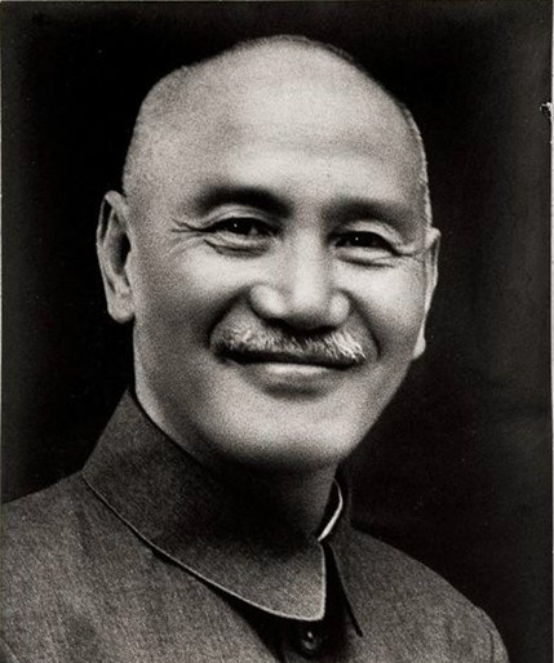
Chinese politician and military leader Overview 中文名:蒋介石 英文名称:Chiang Kai-shek;Jiang Jieshi 别名:Jiang Zhongzheng 蒋中正;Jiang Ruiwen 蒋瑞文 出生: October 31, 1887 逝世日期:April 5, 1974 成就: Recover the warlords 收复军阀 Led China to victory in the War of Resistance against Japanese Aggression 领导中国取得了抗日战争的胜利 Chiang Kai-shek 蒋介石 Brief Biography of Chiang Kai-shek Recover warlords and maintain the relative integrity of China's territory.To some extent, Chiang Kai-shek led China to victory in the war of resistance against Japan. Chiang Kai-shek is a significant people in modern Chinese history, and his political career had a very important influence on the course of modern Chinese history. Chiang Kai-shek was born in Fenghua village, Ningbo County, Zhejiang Province on October 31, 1887 . Before 1906, Chiang Kai-shek received feudal education in ancient China.After that, Chiang Kai-shek went to Japan to study and was influenced by his opposition to the ruling ideology of the Qing Dynasty.During his stay in Japan, Chiang Kai-shek joined the league organized by Sun Yat-sen and was appreciated by Sun Yat-sen for his participation in the democratic revolution Chiang Kai-shek 蒋介石 In July 1914, Chiang Kai-shek was rushed to Shanghai and Harbin to assist Chen Qimei in his revolutionary activities against yuan Shikai. In February…Gu Kaizhi 顾恺之
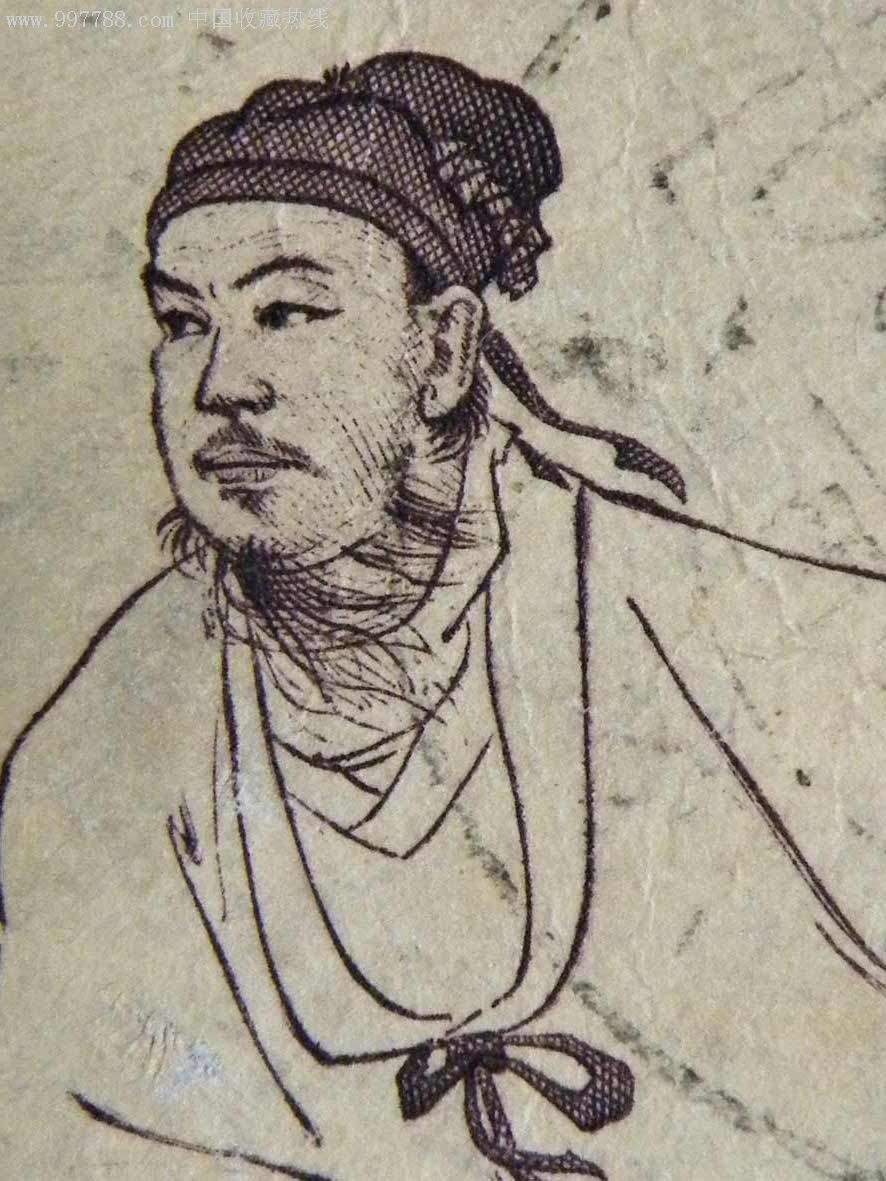
Gu Kaizhi: Famous Chinese painter from the Jin Dynasty. Father of Chinese portrait painting.Kuan Han-Ching 关汉卿
Kuan Han-Ching: Great playwright of Yuan Dynasty. Famous for Romance of the Western Chamber.Cao Xueqin 曹雪芹
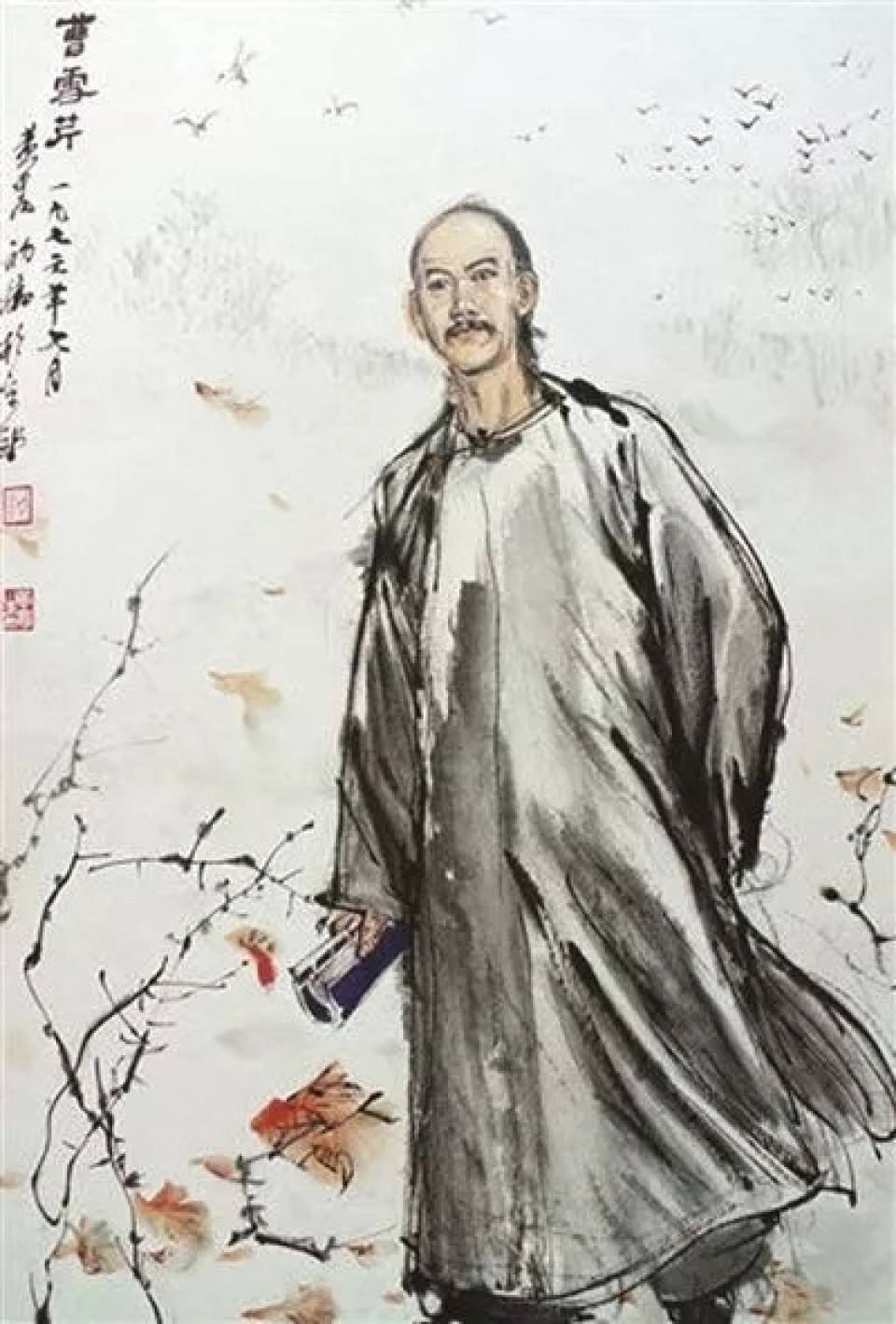
Cao Xueqin: Author of Dream of the Red Chamber. Classic of Chinese literature.Ji Yun 纪昀
A philologist who majoring in Si Ku Quan Shu Overview Chinese Name: 纪昀English Name: Ji YunOther Names: Ji Xiaolan 纪晓岚, Ji Wenda 纪文达, Ji Hejian 纪河间Born: August 3, 1724Died: March 14, 2005Achievements: Compile Si Ku Quan Shu 编撰《四库全书》Main Works:Si Ku Quan Shu《四库全书》Yuewei Caotang Notes《阅微草堂笔记》 Ji Yun 纪昀 Brief Biography of Ji Yun Ji Yun is a litterateur and official of the Qing Dynasty 清朝. Ji Yun (from August 3, 1724, to March 14, 2005), courtesy name Xiaolan 晓岚 and Chunfan 春帆, art name Shiyun 石云, was a native of Xian County 献县, Hejian Prefecture 河间府, Zhili (now Xian County, Cangzhou City 沧州市, Hebei Province 河北省). Ji Yun's Calligraphy 纪昀的书法 In the 19th year of Qianlong 乾隆's reign in the Qing Dynasty (1754), he was admitted to the imperial examination as a scholar. His official position came to the Ministry of Rites as a minister. He used to be the chief editor of Siku Quanshu 四库全书. In the tenth year of Jiaqing 嘉庆 (1805), he died of illness at the age of 82. Because he was quick and eager to learn, he was awarded the title of" Wen Da 文达 "(an inscription given by Emperor Jiaqing). Personal Life and Major Contributions…Huang Zongxi 黄宗羲
An Outstanding Enlightenment Thinker in the Ming and Qing Dynasties Overview Chinese Name: 黄宗羲English Name: Huang ZongxiOther Names: Mr. Lizhou 梨洲先生Born: September 24, 1610Died: August 12, 1695Achievements: Put forward the democratic thought of "the world is the main, the monarch is the guest" 提出“天下为主君为客”的民主思想Criticize the feudal autocracy 抨击封建君主专制制度Main Works:Ming Confucianism Case 《明儒学案》Song and Yuan Learning Case 《宋元学案》Ming Yi Waiting for Visits Record 《明夷待访录》 Huang Zongxi 黄宗羲 Brief Biography of Huang Zongxi Huang Zongxi is a Confucian scholar, historian, thinker, geographer, astronomer, and educator in the late Ming and early Qing Dynasties and the eldest son of Huang Zunsu, one of the "Seven Gentlemen in the Eastern Forest". Huang Zongxi (from September 24, 1610, to August 12, 1695) is a native of Yuyao 余姚, Zhejiang Province 浙江省, courtesy name Taichong 太冲 and Debing 德冰, art name Nanlei 南雷. He put forward the democratic thought of "the world is the main, the monarch is the guest". He said that "the governance of the world is not the rise and fall of a family name, but the happiness of the people", and advocated replacing the emperor's "law of a family" with the "law of the world", so as to limit the monarchical power…Tan Sitong 谭嗣同
A thinker who killed himself to awaken the nation Overview Chinese Name: 谭嗣同English Name: Tan SitongOther Names: Tan Fusheng 谭复生, Tan Dufei 谭壮飞Born: March 10, 1865Died: September 28, 1898Achievements: One of the "six gentlemen of 1898" 戊戌六君子之一Main Works:Benevolence 《仁学》Yuanyi Hall Collection of Foreign Languages 《远遗堂集外文》 Tan Sitong 谭嗣同 Brief Biography of Tan Sitong Tan Sitong is a famous politician, thinker, and reformist in modern China. Tan Sitong (March 10, 1865, to September 28, 1898) was born in Shuntianfu 顺天府 (today's Beijing 北京), Liuyang County 浏阳县, Changsha Prefecture 长沙府, Hunan Province 湖南省 (today's Liuyang City, Hunan Province). His book Benevolence is the first philosophical work of the Reformation School and an important work in the history of modern Chinese thought. The former residence of Tan Sitong 谭嗣同故居 In his early years, Tan Sitong advocated running a current affairs school, a southern society, etc. in his hometown of Hunan, hosted the Hunan News, and advocated opening mines, building railways, publicizing reform and reform, and promoting the New Deal. In the 24th year of Guangxu 光绪 (1898), Tan Sitong participated in leading the Reform Movement of 1898 戊戌变法 and was killed after his failure. He was only 33 years old and was one…Yan Fu 严复
A thinker who seeks truth from the West Overview Chinese Name: 严复English Name: Yan FuOther Names: Yan Zongguang 严宗光, Yan Youling 严又陵, Yan Jidao 严几道Born: January 8, 1854Died: October 27, 1921Achievements: Advocate the translation standard of "faithfulness, expressiveness and elegance" 首倡“信、达、雅”的译文标准President of Fudan Public School 复旦公学校长Main Works:Tianyan Theory 《天演论》 Yan Fu 严复 Brief Biography of Yan Fu Yan Fu is an influential bourgeois enlightenment thinker in modern times, a famous translator, educator, and a representative of the New Legalists. Yan Fu (January 8, 1854 - October 27, 1921), originally named Zongguang 宗光, courtesy name Youling 又陵 and Jidao, was from Houguan County 侯官县, Fujian Province 福建省. He graduated from Fujian Shipbuilding School and the Royal Naval Academy successively. He once served as the chief officer of the Translation Bureau of Beijing Normal University, the president of Fudan Public School in Shanghai, the president of Anqing Higher Normal School, and the chief editor of the Mingci Hall of the Qing Dynasty. Tianyan Theory 天演论 During the teaching period in the Beiyang Naval Academy founded by Li Hongzhang, he trained the first batch of naval talents in modern China, translated Tianyan Theory 《天演论》, and founded Guowen Newspaper 《国闻报》, systematically introduced western democracy…Chen Duxiu 陈独秀
A master of the New Culture Movement Overview Chinese Name: 陈独秀English Name: Chen DuxiuOther Names: Chen Qingtong 陈庆同, Chen Qiansheng 陈乾生Born: October 9, 1879Died: May 27, 1942Achievements: One of the main founders of the CPC and the early main leaders of the party 中国共产党的主要创始人之一和党的早期主要领导人The initiator and main flag bearer of the New Culture Movement 新文化运动的倡导者、发起者和主要旗手Main Works:Duxiu Wencun 《独秀文存》Selected Editions of Chen Duxiu's Articles 《陈独秀文章选编》 Chen Duxiu 陈独秀 Brief Biography of Chen Duxiu Chen Duxiu is the initiator and main flag bearer of the New Culture Movement, the "Commander in Chief of the May 4th Movement 五四运动", one of the main founders of the CPC and the early main leader of the Party. Chen Duxiu (October 9, 1879 - May 27, 1942), formerly known as Chen Qingtong 陈庆同, Chen Qiansheng 陈乾生, courtesy name Zhongfu 仲甫, art name Shian 实庵, was born in Huaining 怀宁, Anhui Province 安徽省. In 1920, a founding group of the CPC was established in Shanghai 上海 to carry out party-building activities. In July 1921, he was elected Secretary of the Central Bureau at the first National Congress of the CPC held in Shanghai. In 1925, he led the May 30th Movement. In the later period of the…Zhang Qian 张骞
An diplomat who explored the Silk Road Overview Chinese Name: 张骞English Name: Zhang QianOther Names: Ziwen 子文Born: 164 BCDied: 114 BCAchievements: Opening the Silk Road 开通丝绸之路Fight against the Huns 抗击匈奴 Zhang Qian 张骞 Brief Biography of Zhang Qian Zhang Qian was an outstanding diplomat, traveler, explorer, and pioneer of the Silk Road in the Han Dynasty. Zhang Qian (about 164-114 BC), courtesy name Ziwen 子文, is a native of Hanzhong County 汉中郡, Shaanxi Province 陕西省. His hometown is in Bowang Village 博望村, 2 kilometers south of Chenggu County 城固县, Hanzhong City 汉中市, Shaanxi Province, on the bank of the Han River 汉江. Zhang Qian is full of pioneering and adventurous spirit. In the second year of Jianyuan 建元 in the Western Han Dynasty 西汉 (139 BC), at the order of Emperor Wu of the Han 汉武帝, Zhang Qian set out from Chang'an, the capital of the Han Dynasty with Gan Fu 甘父 as the guide, and led more than 100 people to the Western Regions, opening the north-south road from the Han Dynasty to the Western Regions, that is, the famous "Silk Road 丝绸之路". Emperor Wu of the Han granted him the title of Bowang Marquis with military merit (the…Liu Xiang 刘向
An documentary scientist who collate ancient books and establish bibliography Overview Chinese Name: 刘向English Name: Liu XiangOther Names: Liu Gengsheng 刘更生, Liu Zhonglei 刘中垒Born: 77 B.C. Died: 6 B.C. Achievements: The Ancestor of Bibliography 目录学鼻祖 Imperial Clan of Western Han Dynasty 西汉宗室Main Works:The New Preface 《新序》Shuoyuan 《说苑》Biographies of Women 《列女传》Warring States Policies 《战国策》 Liu Xiang 刘向 Brief Biography of Liu Xiang Liu Xiang is a royal family minister, a litterateur of the Han Dynasty, the grandson of Liu Jiao 刘交, King Chuyuan, the son of Liu De 刘德, Marquis of Yangcheng, the father of Liu Xin 刘歆, a Confucian classics scholar, and the founder of Chinese bibliography. Liu Xiang (77 B.C. - 6 B.C.), formerly known as Liu Gengsheng 刘更生, courtesy name Zizheng 子政, was born in Fengyi 丰邑, Peijun 沛郡 (now Xuzhou City 徐州市, Jiangsu Province 江苏省). He inherited his family's position and began as a Nianlang 辇郎. During the reign of Emperor Xuan of the Han Dynasty, he became Jian Dafu and Geishizhong 给事中. Emperor Yuan of the Han Dynasty ascended the throne and granted Zong Zhengqing the title. Opposing eunuchs Hong Gong 弘恭 and Shi Xian 石显, he committed crimes and went to prison. After Emperor Cheng…Zu Chongzhi 祖冲之
A versatile scientist renowned at home and abroad Overview Chinese Name: 祖冲之English Name: Zu ChongzhiOther Names: Zu Wenyuan 祖文远Born: 429Died: 500Achievements: Water Dull Mill 水碓磨Guide Car 指南车Thousand Mile Boat 千里船Timer 定时器Pi 圆周率Main Works:Da Ming Calendar 《大明历》 Zu Chongzhi 祖冲之 Brief Biography of Zu Chongzhi Zu Chongzhi was an outstanding mathematician and astronomer in the Northern and Southern Dynasties. Zu Chongzhi (429-500 years), courtesy name Wenyuan 文远, was born in Jiankang County 建康县, Danyang County 丹阳郡 (now Nanjing 南京, Jiangsu Province 江苏省), and his native place is Qiu County 遒县, Fanyang County 范阳郡 (now Laishui County 涞水县, Hebei Province 河北省). Born in the family of Zu in Fanyang 范阳, he devoted his whole life to natural science, and his main contributions were in mathematics, astronomy and calendar, and mechanical manufacturing. On the basis of exploring the precise method of pi initiated by Liu Hui 刘徽, he first calculated pi to the seventh decimal place, that is, between 3.1415926 and 3.1415927. His "ancestral ratio" has made great contributions to mathematical research. It was not until the 16th century that Arab mathematician Al Qasi broke this record. Liu Hui 刘徽 The Daming Calendar 《大明历》, written by him, was the most scientific and progressive…Liu Hui 刘徽
The founder of Chinese traditional mathematical theory Overview Chinese Name: 刘徽English Name: Liu HuiBorn: 225Died: 295Achievements: Cleaning up the ancient Chinese mathematical system 清理中国古代数学体系Put forward the methods of making a square cover, weight difference, circular cutting, etc 提出牟合方盖、重差术、割圆术等方法 Liu Hui 刘徽 Brief Biography of Liu Hui Liu Hui, a great mathematician during the Wei and Jin Dynasties, was one of the founders of Chinese classical mathematical theory. Liu Hui (about 225 to 295 years), a Han nationality, was born in Zouping City 邹平市, Binzhou 滨州, Shandong Province 山东省. He has made great contributions to the history of Chinese mathematics. His masterpieces "Nine Chapters Arithmetic Note 《九章算术注》" and "Island Arithmetic Sutra 《海岛算经》" are the most valuable mathematical heritage of China. Zu Chongzhi 祖冲之 Liu Hui is quick in thought and flexible in method, advocating both reasoning and intuition. He was the first person in China who explicitly advocated the use of logical reasoning to demonstrate mathematical propositions. Liu Hui's life is a life of hard exploration of mathematics. Although he has a low status, he has a noble personality. He is not a mediocre man fishing for fame, but a great man who never tires of learning. He has left us…Wang Xizhi 王羲之
The sage of calligraphy of China Overview Chinese Name: 王羲之English Name: Wang XizhiOther Names: Wang Youjun 王右军, Wang Kuaiji 王会稽, Wang Yishao 王逸少Born: 303Died: 361Achievements: Calligraphic creation 书法创作Main Works:The Preface to Orchid Pavilion 兰亭集序 Wang Xizhi 王羲之 Brief Biography of Wang Xizhi Wang Xizhi, the minister and calligrapher of the Eastern Jin Dynasty 东晋, the son-in-law of Tai Wei Xi Jian 郗鉴, is known as the "Sage of Calligraphy". Wang Xizhi (303-361), courtesy name Yishao 逸少, is a native of Langya 琅琊 Linyi 临沂 (today's Linyi City 临沂市, Shandong Province 山东省). He has successively served as Secretary Lang 秘书郎, Jiangzhou Governor 江州刺史, Kuaiji Marshal 会稽太守, and moved to the general of the Right Army 右军将军, known as the "Wang Right Army 王右军". In the ninth year of Yonghe 永和 (353), Lanting Yaji was organized. The Preface to Orchid Pavilion 兰亭序 has become "the best running script in the world". In the 11th year of Yonghe (355), he abandoned his official position and moved to Jinting 金庭, Shaoxing 绍兴. He died in the fifth year of Shengping 升平 (361) and was buried in Jinting Waterfall Mountain. The statue of Wang Xizhi 王羲之塑像 He is good at calligraphy. He is also good…Zhang Jian 张謇
Zhang Jian: Famous businessman and educator in modern China. Pioneer of industrial development.Wang Chong 王充
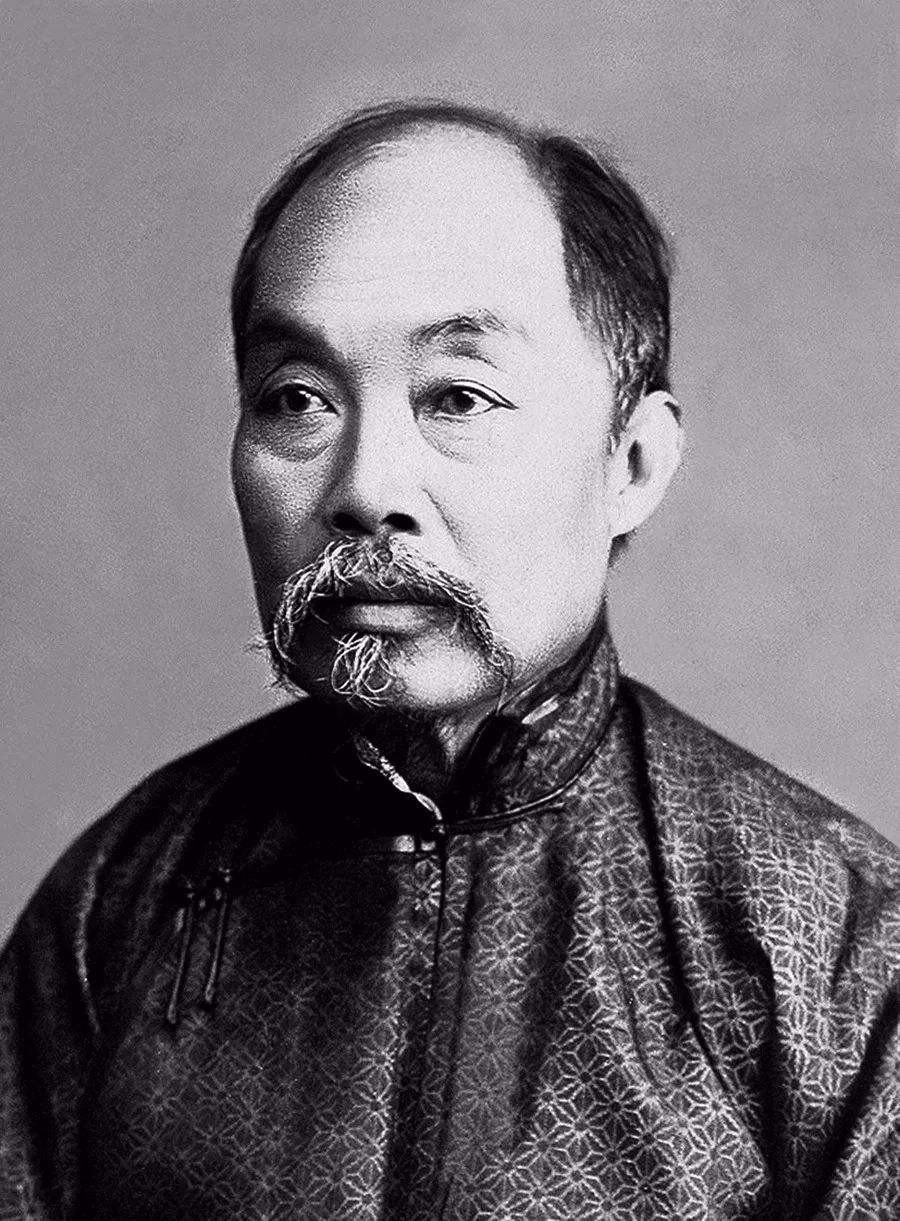
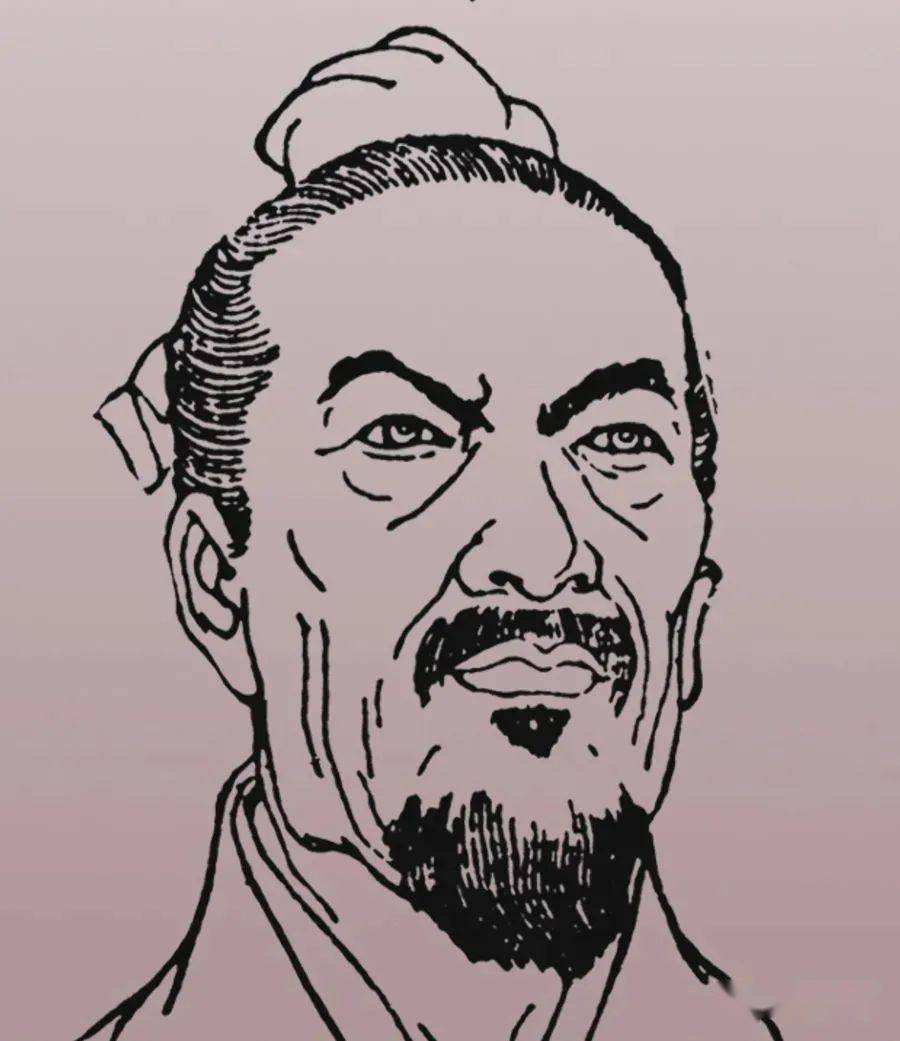
Wang Chong: Philosopher of Eastern Han Dynasty. Author of Lun Heng philosophical work.Li Hongzhang 李鸿章
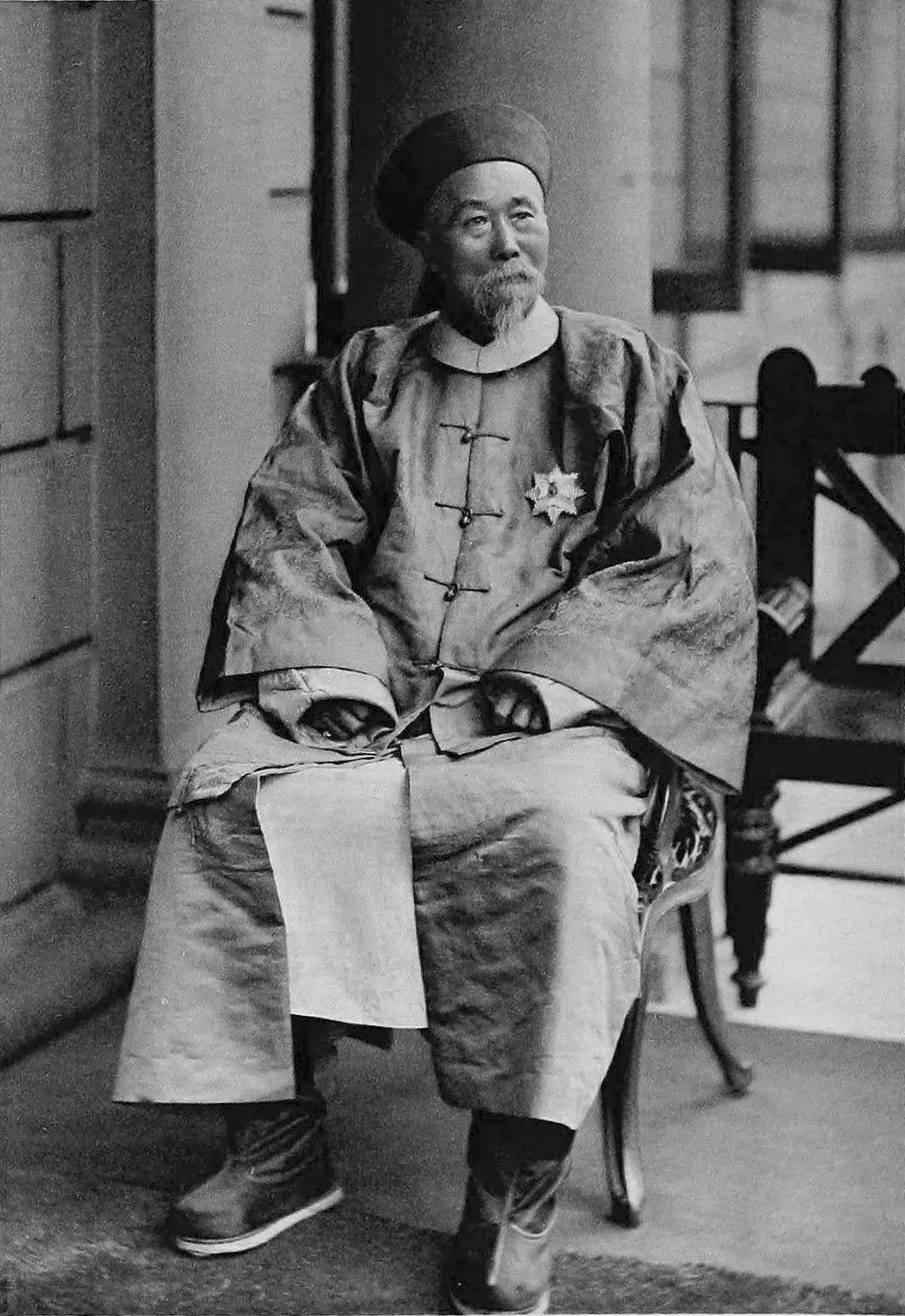
Li Hongzhang: Important statesman and diplomat in late Qing Dynasty. Modernization of China.Dong Zhongshu 董仲舒
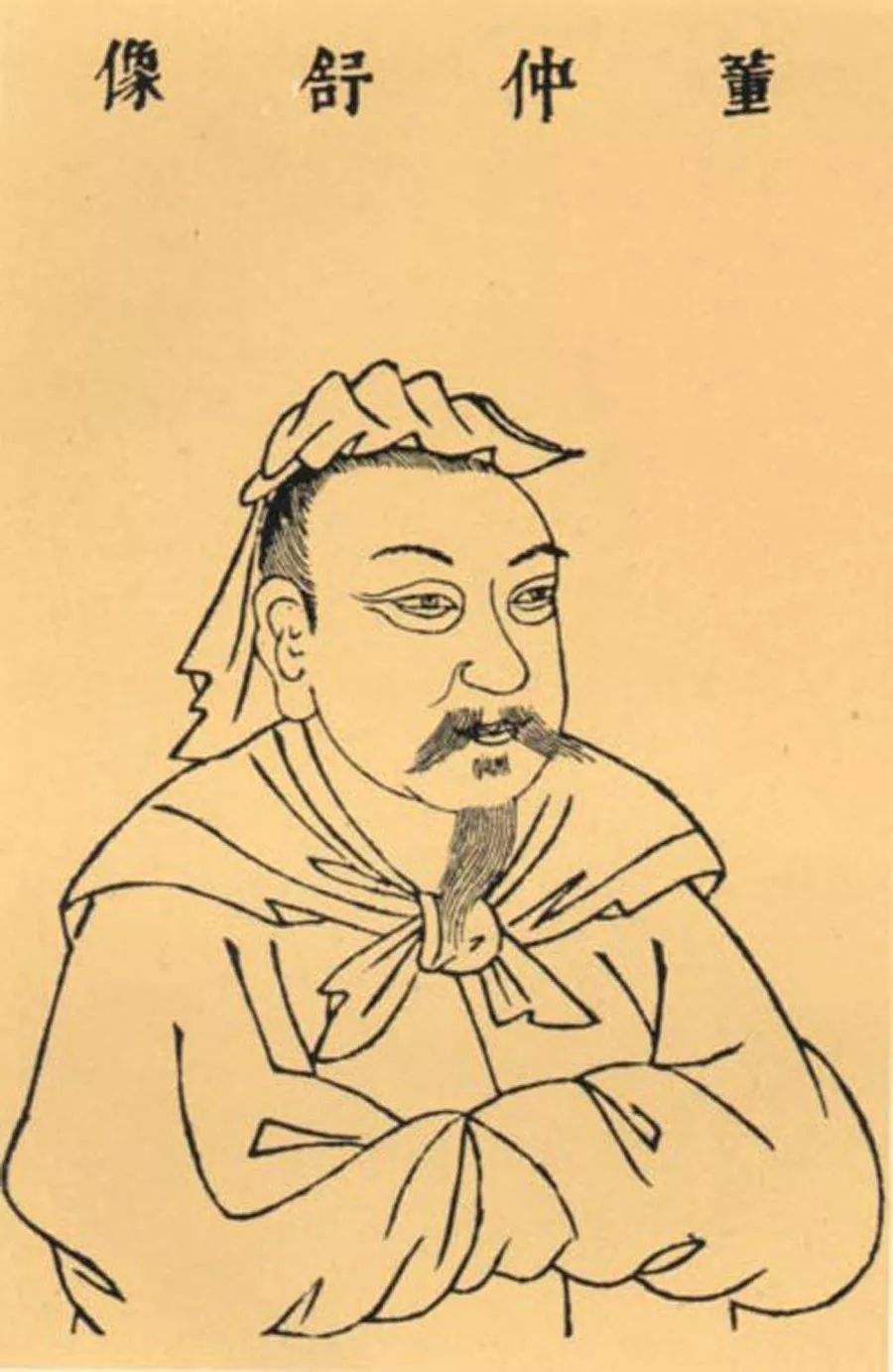
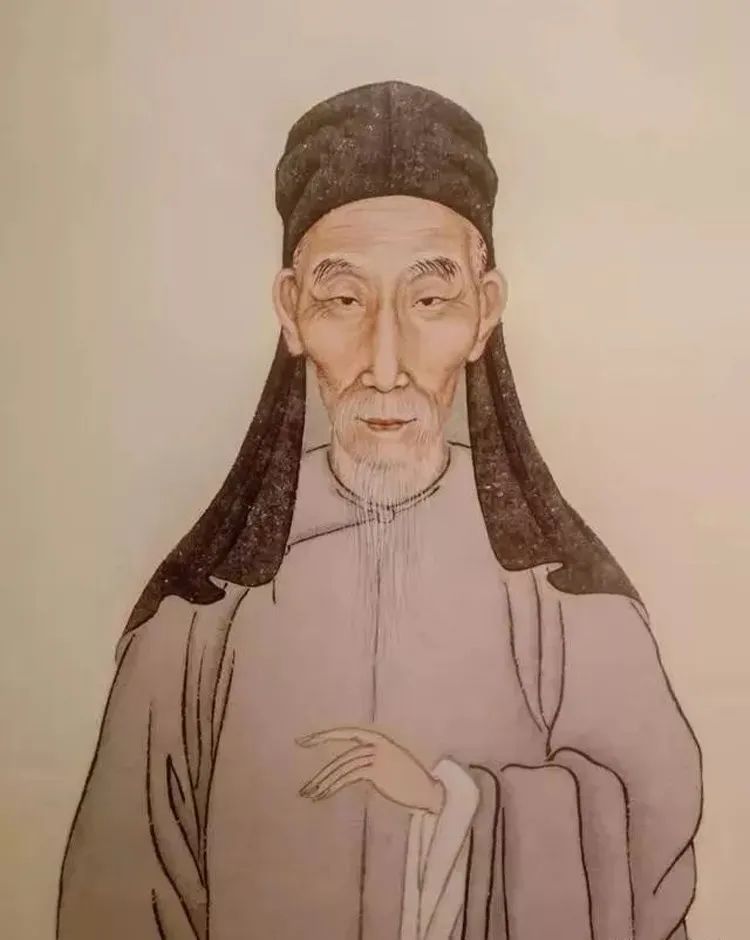
Dong Zhongshu: Philosopher of Western Han Dynasty. Prominent Confucian scholar.Wang Anshi 王安石
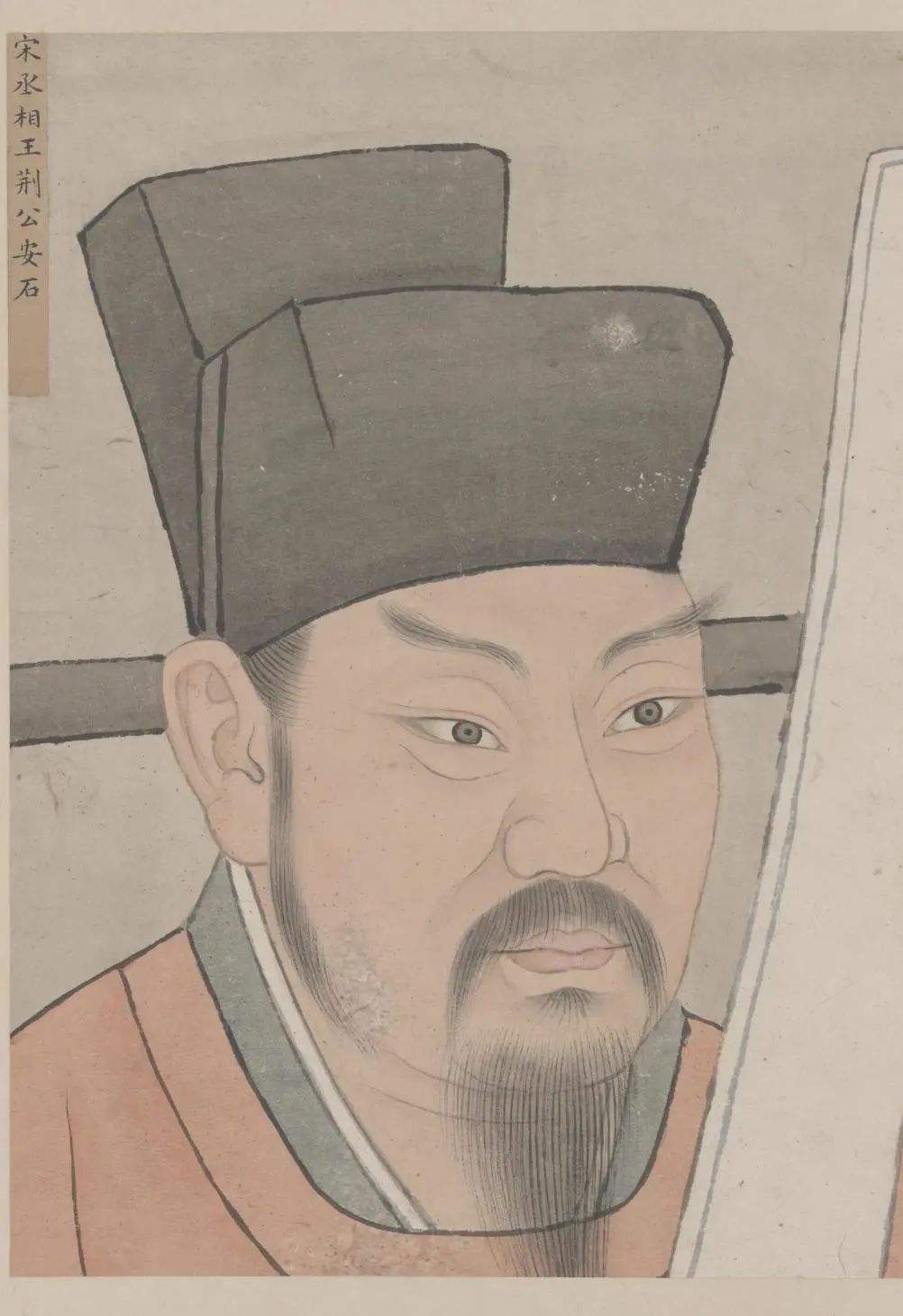
Wang Anshi: Reformer and poet of Song Dynasty. Famous political thinker.Zhu Xi 朱熹
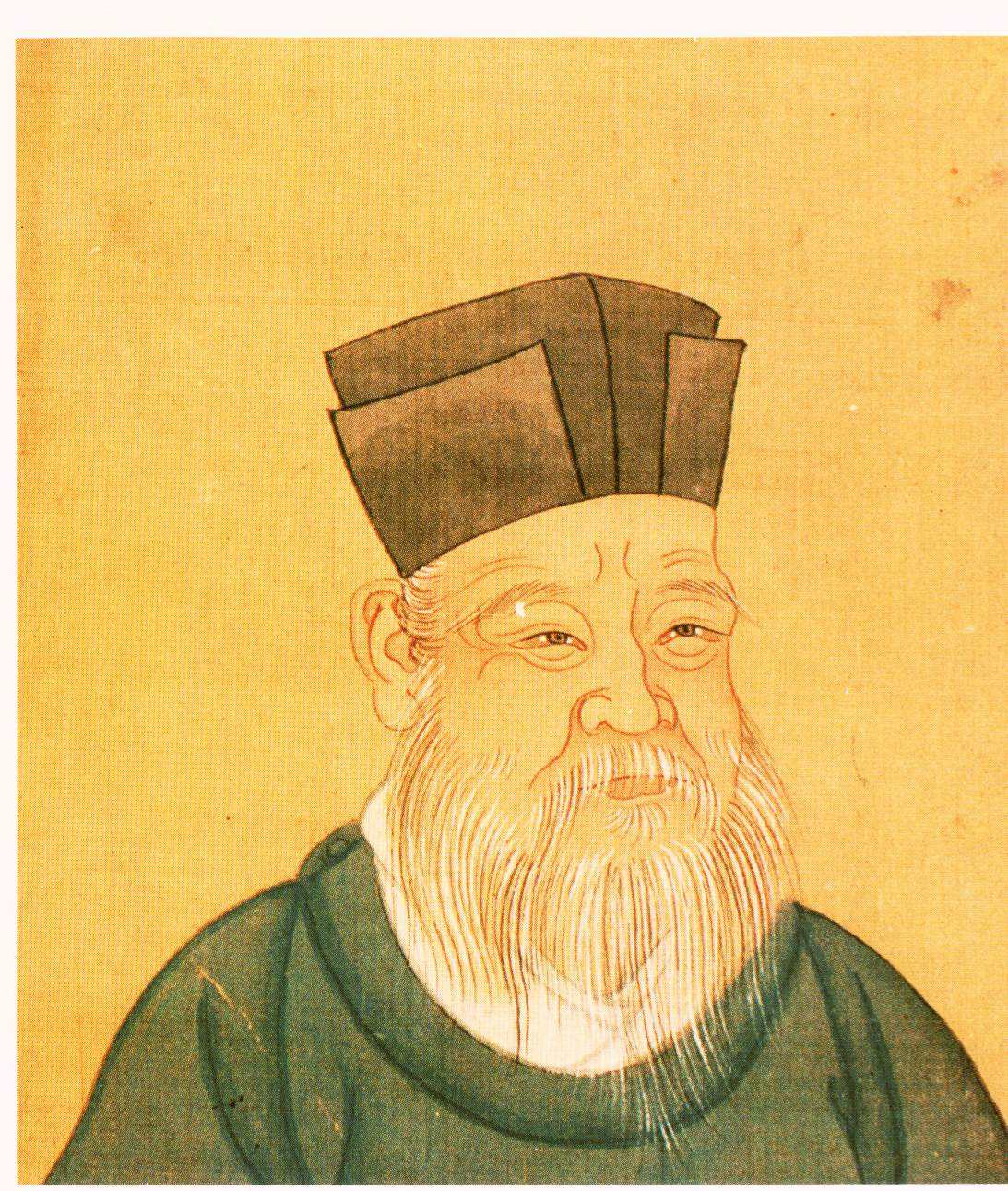
Zhu Xi: Great philosopher of Song Dynasty. Founder of Neo-Confucianism in China.Yang Yan 杨炎
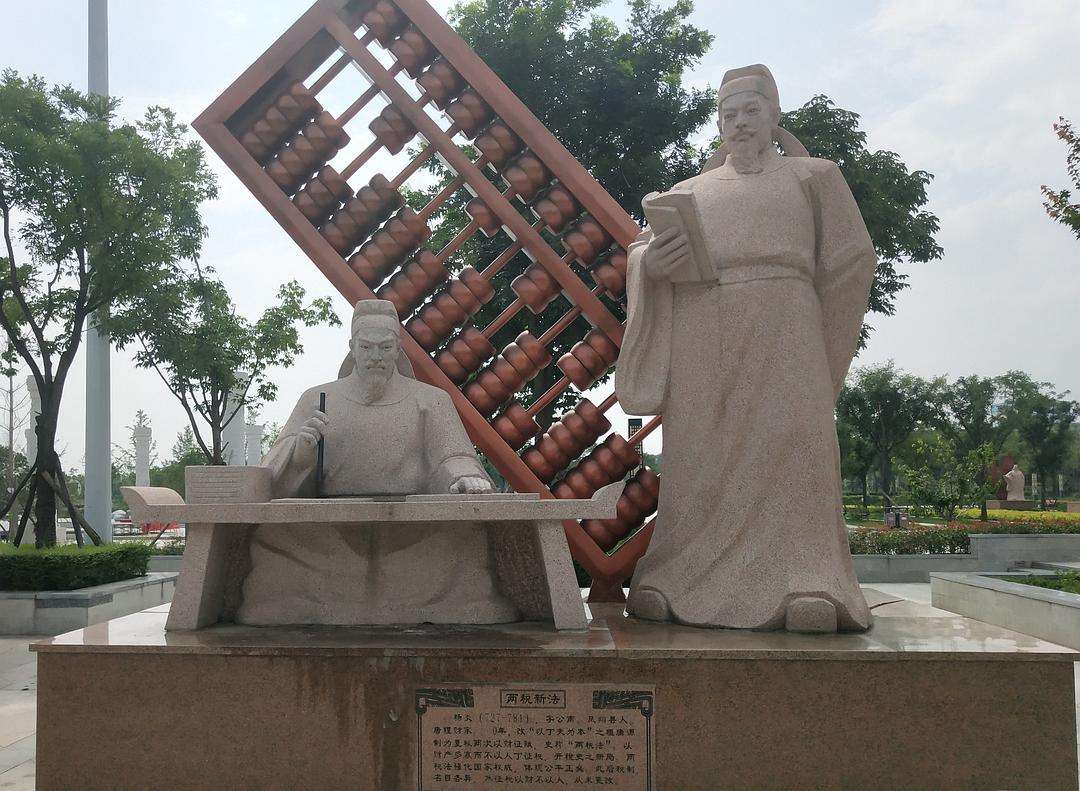
Yang Yan: Economist and statesman of Tang Dynasty. Financial reformer in Chinese history.Wang Fuzhi 王夫之
The Terminator of Chinese Classical Philosophy Overview Chinese Name: 王夫之English Name: Wang FuzhiOther Names: Wang Chuanshan 王船山Born: October 7, 1619Died: February 18, 1692Achievements: A simple materialist thinker 朴素唯物主义思想者Main Works:The Book of Shangshu Citation 《尚书引义》The Record of Yongli 《永历实录》The Spring and Autumn Annals 《春秋世论》Nightmare 《噩梦》 Wang Fuzhi 王夫之 Brief Biography of Wang Fuzhi Wang Fuzhi was a thinker at the end of the Ming Dynasty 明朝 and the beginning of the Qing Dynasty 清朝. Wang Fuzhi (from October 7, 1619, to February 18, 1692), courtesy name Ernong 而农, art name Jiangzhai 姜斋, was known as "Mr. Chuanshan 船山先生" and was a native of Hengyang County 衡阳县 (now Hengyang City 衡阳市, Hunan Province 湖南省) in Huguang. He, together with Gu Yanwu 顾炎武, Huang Zongxi 黄宗羲, and Tang Zhen 唐甄, was called "the four great enlightenment thinkers at the end of the Ming Dynasty and the beginning of the Qing Dynasty". He was the son of the scholar Wang Chaopin 王朝聘. The statue of Wang Fuzhi 王夫之塑像 In the fifth year of Chongzhen 崇祯 (1632), he was admitted as a scholar and organized "Xingshe" and "Kuang She". In the 15th year of Chongzhen, the local examination was held. In the early years of…
Chinese celebrities

Scan to open current page
- ¥CouponsLimitation of useExpired and UnavailableLimitation of use
before
Limitation of usePermanently validCoupon ID:×Available for the following products: Available for the following products categories: Unrestricted use:Available for all products and product types