
Let’s talk about the elephant in the room when it comes to studying in China — the cost. Between tuition, accommodation, living expenses, and travel, a full degree program can run anywhere from ¥40,000 to ¥100,000 per year depending on the university and city. For many international students and their families, that’s a serious financial commitment.
The good news? China offers one of the most generous scholarship systems in the world for international students. From fully-funded government scholarships that cover everything from tuition to airfare, to partial university grants that slash your costs by half — there’s funding available at every level. The challenge is knowing what exists, who qualifies, and how to apply. This guide covers every major scholarship type in China for 2026, with real numbers, deadlines, and application strategies that actually work.
Types of Scholarships in China: The Complete Landscape
China’s scholarship system for international students falls into four main categories. Each targets different student profiles and offers different levels of funding.
| Scholarship Type | Funding Level | Target Students |
|---|---|---|
| Chinese Government Scholarship (CSC) | Full (tuition + accommodation + stipend + insurance) | Degree and non-degree students at all levels |
| Provincial Government Scholarships | Partial to full | Students studying in specific provinces |
| University Scholarships | Partial (10-100% tuition waiver) | Admitted or applying degree students |
| Confucius Institute Scholarship | Full to partial | Chinese language and culture students |
| MOFCOM Scholarship | Full (very generous package) | Master’s and PhD students from developing countries |
| Great Wall Scholarship (UNESCO) | Full | Students from UNESCO member states |
1. Chinese Government Scholarship (CSC) — The Gold Standard
The CSC Scholarship is the most well-known and comprehensive scholarship for international students in China. Administered by the China Scholarship Council, it covers undergraduate, master’s, PhD, and non-degree programs (including Chinese language study).
What the CSC Scholarship Covers
- Full tuition waiver: Your university tuition is paid in full — no out-of-pocket costs for coursework
- Free on-campus accommodation: You live in the international student dormitory at no charge
- Monthly living stipend: Undergraduates receive ¥2,500/month; Master’s students ¥3,000/month; PhD students ¥3,500/month
- Comprehensive medical insurance: ¥800/year for inpatient and outpatient care
- One-time settlement fee: ¥1,000 (for new students upon arrival)
- International airfare: Some programs cover a round-trip ticket (varies by program)
CSC Scholarship Application Routes
There are two ways to apply for the CSC Scholarship, and this is where most applicants get confused:
Route A — Apply through the Chinese Embassy in your home country (Type A): You submit your application to the Chinese Embassy or Consulate in your home country, which nominates you. This is the most common route for undergraduate applicants. Deadlines typically fall between January and April each year. The embassy reviews applications and sends nominations to CSC, which makes the final decision.
Route B — Apply directly through your target university (Type B): Some universities are authorized to directly nominate CSC Scholarship candidates. You apply to the university first, get admitted or nominated, and the university forwards your application to CSC. This route is more common for graduate students. Application deadlines vary by university but generally fall between February and May.
CSC Scholarship Eligibility Requirements
- Be a non-Chinese citizen in good health
- Education requirements: High school diploma (undergraduate), bachelor’s degree (master’s), master’s degree (PhD)
- Age limit: Under 25 for undergraduate, under 35 for master’s, under 40 for PhD
- Language proficiency: HSK 4+ for Chinese-taught programs; IELTS 6.0+ or TOEFL 80+ for English-taught programs
- Strong academic record (typically 80%+ GPA equivalent)
CSC Scholarship 2026-2027 Timeline
| Stage | Typical Date |
|---|---|
| Application window opens | Early November 2025 |
| Embassy deadline (Type A) | January – March 2026 |
| University deadline (Type B) | February – May 2026 |
| Review and nomination | March – June 2026 |
| Final results released | June – August 2026 |
| Program start | September 2026 (fall intake) |
2. Provincial Government Scholarships
Beyond the national CSC program, many Chinese provinces offer their own scholarships to attract international talent. These are generally less competitive than CSC but still provide substantial funding.
Beijing Government Scholarship for International Students: Offers ¥10,000 to ¥40,000 per year for degree students at Beijing-based universities. Priority goes to students in science, engineering, and technology fields. Applications are typically submitted through the university’s international student office.
Shanghai Government Scholarship: Provides ¥20,000 to ¥60,000 per year depending on the program level. Covers both tuition and living expenses. Available at all Shanghai universities including Fudan, Shanghai Jiao Tong, and Tongji.
Jiangsu Jasmine Scholarship: Designed specifically for international students studying in Jiangsu province (Nanjing, Suzhou, Wuxi). Covers ¥20,000 to ¥50,000 per year. Offers an additional Chinese language training allowance for students who need it before starting their degree program.
Zhejiang Government Scholarship (ZJG Scholarship): Offers ¥10,000 to ¥30,000 per year for students at Zhejiang universities including Zhejiang University. Strong preference for master’s and PhD applicants in STEM fields.
Guangdong Government Outstanding International Student Scholarship: Covers ¥10,000 to ¥30,000 per year. Available to both new applicants and current students with strong academic performance in Guangdong province.
3. University-Specific Scholarships
Nearly every Chinese university offers its own scholarship programs. These are often easier to get than government scholarships because the competition pool is smaller — you’re only competing against other applicants to that specific university.
| University | Scholarship Name | Value |
|---|---|---|
| Tsinghua University | Tsinghua Scholarship | ¥20,000 – full tuition |
| Peking University | PKU International Student Scholarship | ¥15,000 – ¥50,000/year |
| Zhejiang University | ZJU International Master’s/PhD Scholarship | Full tuition + ¥3,000/month |
| Fudan University | Fudan International Student Scholarship | ¥15,000 – full tuition |
| Shanghai Jiao Tong | SJTU Scholarship for International Students | ¥20,000 – full tuition |
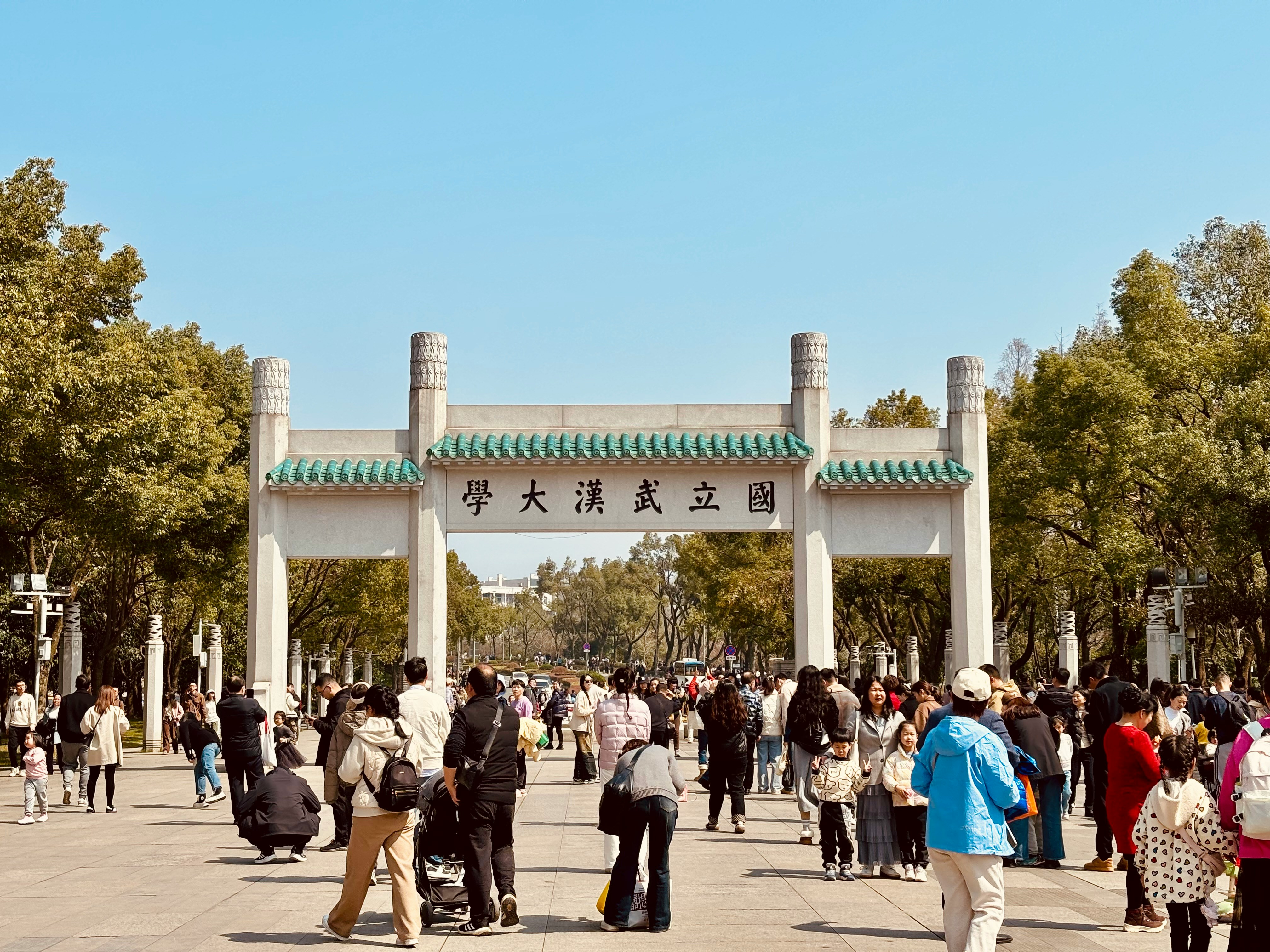
| Wuhan University | WHU President’s Scholarship | 25-50% tuition waiver |
| Huazhong University of S&T | HUST International Student Scholarship | ¥10,000 – ¥40,000/year |
University scholarships typically require that you apply directly through the university’s admissions portal. Many are automatically considered based on your application, but some require a separate scholarship essay or statement. Always check the university’s international admissions page for specific requirements.
4. MOFCOM Scholarship — The Most Generous Option
The MOFCOM Scholarship, funded by China’s Ministry of Commerce, is specifically for master’s and PhD students from developing countries. It covers:
- Full tuition waiver
- Free accommodation (typically a well-furnished apartment, not a dormitory)
- Monthly living stipend: ¥3,600 (master’s) to ¥4,200 (PhD) — significantly higher than CSC
- One-time settlement fee of ¥3,000
- Round-trip international airfare
- Comprehensive medical insurance
- Textbook allowance
This scholarship is administered through Chinese embassies in eligible countries. Fields of study are typically focused on economics, trade, international relations, engineering, and agriculture. The competition is intense, but the package is unmatched.
5. Confucius Institute Scholarship
Ideal for students who want to study Chinese language or pursue a degree that incorporates Chinese language and culture. Covers tuition, accommodation, living stipend (¥2,500/month), and medical insurance. Available for both semester-long programs and full degree programs.
To qualify, you typically need an HSK score (HSK 3 for semester programs, HSK 4+ for degree programs). Applications are submitted through Confucius Institute headquarters (Hanban) or your local Confucius Institute.

How to Maximize Your Chances of Getting a Scholarship
After analyzing hundreds of successful applications, here’s what separates winners from the rest:
Start Early — 12 Months Before Intake
Most scholarships have deadlines 6-9 months before the program starts. That means if you’re targeting September 2027 intake, you should start researching scholarships in September-October 2026. Early applicants often have an advantage because committees review applications on a rolling basis.
Apply to Multiple Scholarships
Don’t put all your eggs in one basket. Apply for CSC, a provincial scholarship, and a university scholarship simultaneously. If you win multiple, you can choose the best package. There’s no rule against applying for multiple scholarships.
Tailor Your Study Plan
Scholarship committees want to see that you have a clear academic goal and that studying in China is essential to achieving it. Generic statements like “China has good universities” won’t cut it. Instead, explain why a specific professor, lab, or program at a specific Chinese university is the ideal fit for your career goals.
Strong Recommendation Letters
At least two letters from academic referees who know your work well. Generic letters from professors who barely remember you are a red flag. Choose referees who can speak to your research potential, academic discipline, and cross-cultural adaptability.
Language Proficiency Matters
Even if your program is taught in English, demonstrating Chinese language ability (HSK 3 or higher) significantly boosts your application. It signals that you’re serious about integrating into Chinese academic and social life.
Application Documents Checklist
| Document | Notes |
|---|---|
| Completed application form | Download from CSC/university portal |
| Notarized highest diploma | Must be translated into Chinese or English |
| Academic transcripts | With GPA or grading scale explanation |
| Study plan / research proposal | 800-1000 words for master’s; 1500+ for PhD |
| Recommendation letters | 2 letters from professors or associate professors |
| Language certificate | HSK, IELTS, TOEFL, or medium-of-instruction letter |
| Passport copy | Valid for at least 2 years |
| Physical examination form | Must be within 6 months of application date |
| Non-criminal record | Notarized and translated |
Scholarships for Current International Students in China
Already studying in China and looking for funding? Don’t worry — there are options for current students too:
- Excellent International Student Scholarship: Many universities offer this to top-performing continuing students. Awards range from ¥5,000 to ¥20,000 per year.
- Outstanding Graduation Scholarship: Some universities award partial funding to international students who graduate with distinction and plan to pursue further studies in China.
- Research Innovation Grants: Available at research-intensive universities for international graduate students working on promising projects.
Common Scholarship Application Mistakes to Avoid
Having reviewed hundreds of applications, here are the most frequent reasons scholarships get denied — and how to avoid each one:
- Missing documents: Double-check the checklist. Missing even one document can disqualify you.
- Generic study plans: If your study plan could apply to any university in any country, you’re doing it wrong.
- Late applications: Scholarship committees don’t accept late submissions — period.
- Wrong application route: Check whether you should apply through the embassy (Type A) or university (Type B) for CSC. Getting this wrong wastes a year.
- Weak recommendation letters: A letter that says “this student is good” is worthless. A letter that says “this student designed an experiment, published a paper, and mentored juniors” gets results.
- Ignoring language requirements: Applying for a Chinese-taught program without HSK 4 is a no-go. Plan ahead and take the HSK exam before applications open.
Bottom Line: Can You Afford to Study in China?
Yes — and if you play your cards right with scholarships, it can cost surprisingly little. A CSC scholarship student spends effectively zero on tuition and accommodation while receiving ¥2,500-3,500 per month for living expenses. Even a partial university scholarship that covers 50% of tuition brings annual costs down dramatically. With provincial scholarships stacked on top, some students actually come out ahead.
The key takeaway? Start early, apply broadly, and put real effort into your study plan and recommendation letters. Scholarships in China are generous, but they’re not handed out to people who submit sloppy applications. Treat each application like it’s the only one, and you’ll maximize your odds of studying in China with minimal financial burden.