
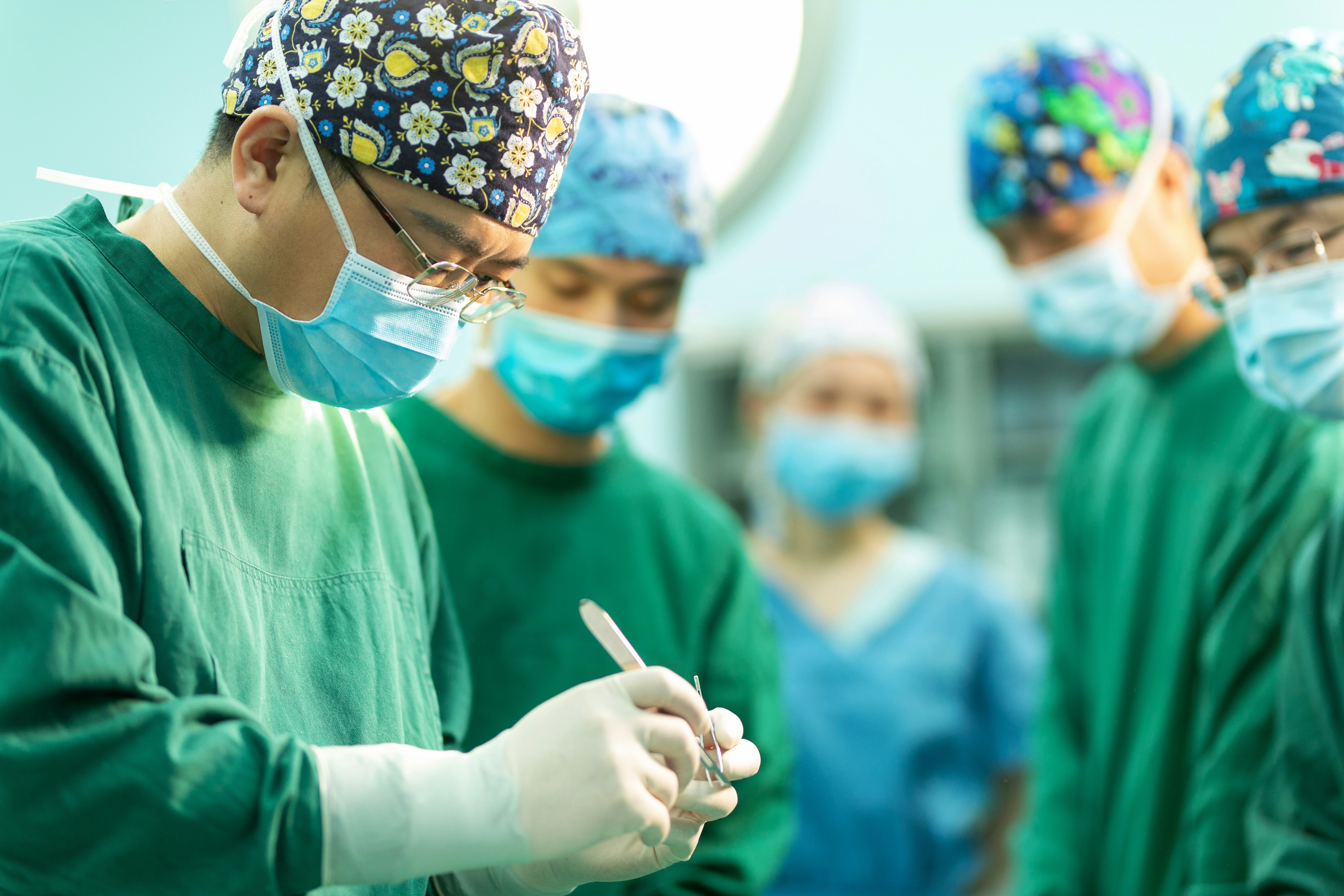
Studying MBBS in China has become a global phenomenon. Every year, more than 10,000 international students from over 100 countries choose Chinese medical universities for their undergraduate medical education. And for good reason. China offers a rare combination of high-quality medical education, affordable tuition, globally recognized degrees, and a rich cultural experience that you simply cannot find in Western medical schools at the same price point.
But let’s be real for a second — the process of applying to medical schools in China can be overwhelming. There are dozens of universities to choose from, each with different fee structures, admission requirements, and teaching standards. Some programs run for five years, others for six. Some are taught entirely in English, while others require basic Chinese proficiency. Making the wrong choice can cost you time, money, and a whole lot of frustration.
That is exactly why we wrote this guide. By the end of this article, you will have a clear understanding of which universities to target, how much it costs, what documents you need, and what your career looks like after graduation. Let’s get started.
Why Choose China for Your MBBS Degree?
China has emerged as a powerhouse in global medical education. Here is why international students keep choosing China over traditional destinations like the US, UK, or Australia:
- Affordable tuition: MBBS programs in China cost between ¥20,000 to ¥60,000 per year ($3,000–$8,500 USD), which is a fraction of the cost in Western countries.
- WHO and WFME recognition: Over 50 Chinese medical schools are listed in the World Directory of Medical Schools and recognized by the World Federation for Medical Education.
- English-taught programs: Most top-tier MBBS programs in China are taught entirely in English, making them accessible without prior Chinese language skills.
- Global career pathways: Chinese MBBS graduates are eligible to sit for USMLE (United States), PLAB (United Kingdom), AMC (Australia), and other national medical licensing exams.
- Modern facilities: China has invested billions into medical research and hospital infrastructure over the past decade. Many affiliated teaching hospitals are world-class.
Beyond academics, China offers a safe and vibrant environment for international students. Cities like Beijing, Shanghai, Guangzhou, and Wuhan have thriving international student communities, affordable cost of living, and modern transportation systems that make travel convenient.
Top MBBS Universities in China for 2026
Here is a detailed breakdown of the best medical universities in China for international MBBS students in 2026. We have ranked them based on academic reputation, global recognition, faculty quality, and international student support.
| University | Location | Tuition (CNY/year) | Program Duration | Medium of Instruction |
|---|---|---|---|---|
| Peking University Health Science Center | Beijing | ¥45,000 | 6 years | English |
| Fudan University Shanghai Medical College | Shanghai | ¥50,000 | 6 years | English |
| China Medical University (CMU) | Shenyang | ¥40,000 | 5 years | English |
| Wuhan University | Wuhan | ¥40,000 | 6 years | English |
| Zhejiang University | Hangzhou | ¥42,000 | 6 years | English |
| Shanghai Jiao Tong University | Shanghai | ¥48,000 | 6 years | English |
| Tianjin Medical University | Tianjin | ¥35,000 | 5 years | English |
| Nanjing Medical University | Nanjing | ¥38,000 | 5 years | English |

Admission Requirements for MBBS in China 2026
Getting into a Chinese medical university requires careful preparation. Here are the standard eligibility criteria you need to meet:
- Academic background: A high school diploma with minimum 70% marks in biology, chemistry, and physics (or equivalent). Some top universities require 80% or higher.
- Age requirement: Applicants must be between 18 and 25 years old at the time of application.
- Language proficiency: For English-taught MBBS programs, you need IELTS 6.0+ or TOEFL 80+. Some universities offer waivers if you studied in an English-medium school.
- Health requirements: A valid physical examination report is mandatory. Certain communicable diseases may disqualify applicants.
- Passport and visa: A valid passport with at least 18 months remaining before expiry. You will need an X1 visa (student visa) to study in China.
The application timeline typically runs from January to June each year, with the academic year starting in September. We recommend applying as early as possible — popular programs at top universities fill up by March or April.
Tuition Fees and Living Costs
One of the biggest advantages of studying MBBS in China is the cost. Let’s break down the numbers so you can plan your budget realistically.
| Category | Low Range (CNY/year) | High Range (CNY/year) | Equivalent (USD/year) |
|---|---|---|---|
| Tuition Fees | 20,000 | 60,000 | $2,800–$8,500 |
| On-Campus Accommodation | 6,000 | 15,000 | $850–$2,100 |
| Food and Daily Expenses | 12,000 | 24,000 | $1,700–$3,400 |
| Insurance & Visa | 2,000 | 4,000 | $280–$570 |
| Total Annual Cost: ¥40,000 – ¥103,000 ($5,600 – $14,600 USD) | |||
Compared to the US where annual medical school costs can exceed $60,000, China offers a staggering 80% cost saving. Even the most expensive Chinese medical university is still cheaper than a mid-range US public university’s out-of-state tuition.
Scholarships for International MBBS Students
Several scholarship programs can significantly reduce or even eliminate the cost of studying MBBS in China:
- CSC Scholarship (Chinese Government Scholarship): Covers full tuition, accommodation, monthly living stipend (¥3,000/month), and comprehensive medical insurance. This is the most prestigious scholarship and highly competitive.
- Confucius Institute Scholarship: For students who want to combine Chinese language study with their MBBS program. Covers tuition and partial living expenses.
- University-Specific Scholarships: Many universities offer merit-based scholarships covering 25% to 50% of tuition. For example, Wuhan University offers a 50% tuition waiver for students with excellent academic records.
- Provincial Government Scholarships: Some provinces (like Jiangsu, Zhejiang, and Liaoning) offer their own scholarship programs for international students studying within the province.
Applying for scholarships early is critical. Most scholarship deadlines fall between January and March, months before the regular admission deadline.
Clinical Rotations and Practical Training
A critical component of any MBBS program is clinical exposure. Chinese medical universities partner with large teaching hospitals where students gain hands-on experience. Here is what you can expect:
- Years 1–2: Pre-clinical subjects including anatomy, physiology, biochemistry, pathology, and pharmacology. Classes are a mix of lectures and laboratory work.
- Year 3: Introduction to clinical medicine. You begin observing in hospital settings while continuing classroom study.
- Years 4–5/6: Full-time clinical rotations in departments including internal medicine, surgery, pediatrics, obstetrics and gynecology, orthopedics, emergency medicine, and psychiatry.
China’s teaching hospitals handle massive patient volumes. A single university hospital may serve 5,000+ outpatients per day. That means you will see rare and complex cases that students in smaller countries might only read about in textbooks. This hands-on exposure is one of the most valuable aspects of studying MBBS in China.
Career Pathways After MBBS in China
Graduating with an MBBS from China opens up multiple career paths:
- Return to your home country: Most international students return home to practice after passing the local medical licensing exam. Graduates from WHO-listed Chinese universities are eligible to take USMLE (USA), PLAB (UK), AMC (Australia), and equivalent exams in Canada, India, Pakistan, Bangladesh, and many African and Middle Eastern countries.
- Postgraduate studies in China: You can pursue MS or MD specialization programs in China, which typically take 3 more years. Many universities offer these programs in English.
- Work in China: Foreign medical graduates can work in China after passing the Chinese Medical Practitioner License Examination and obtaining a Foreign Medical Graduate Registration.
- Research and academia: China offers substantial funding for medical research. Many MBBS graduates stay on to pursue PhD programs or work as research assistants in Chinese medical institutions.
Frequently Asked Questions
Is MBBS from China valid in the USA?
Yes, graduates from WHO-listed Chinese medical universities are eligible to take the USMLE (United States Medical Licensing Examination). Many Chinese MBBS graduates successfully match into US residency programs each year.
Do I need to know Chinese?
Not for admission — most MBBS programs are taught in English. However, learning basic Mandarin is essential for clinical rotations since patients speak Chinese. Most programs include Chinese language classes in the curriculum.
How long is the MBBS program in China?
Most programs run 5 to 6 years. The 6-year programs typically include a one-year internship, while 5-year programs may require an additional internship year depending on your home country’s medical council requirements.
Can I work part-time while studying?
International students in China can work part-time on campus with university permission. Off-campus work requires special approval from immigration authorities. Many students find tutoring or research assistant positions.
Final Thoughts
MBBS in China is not just a degree — it is a launchpad for a global medical career. The combination of affordable tuition, internationally recognized qualifications, and exposure to a massive and diverse patient population makes China one of the best destinations for medical education in 2026.
The key is to start early, research thoroughly, and choose a university that aligns with your career goals and budget. Use the table and guidelines in this article as your roadmap, and you will be well on your way to becoming a doctor.