
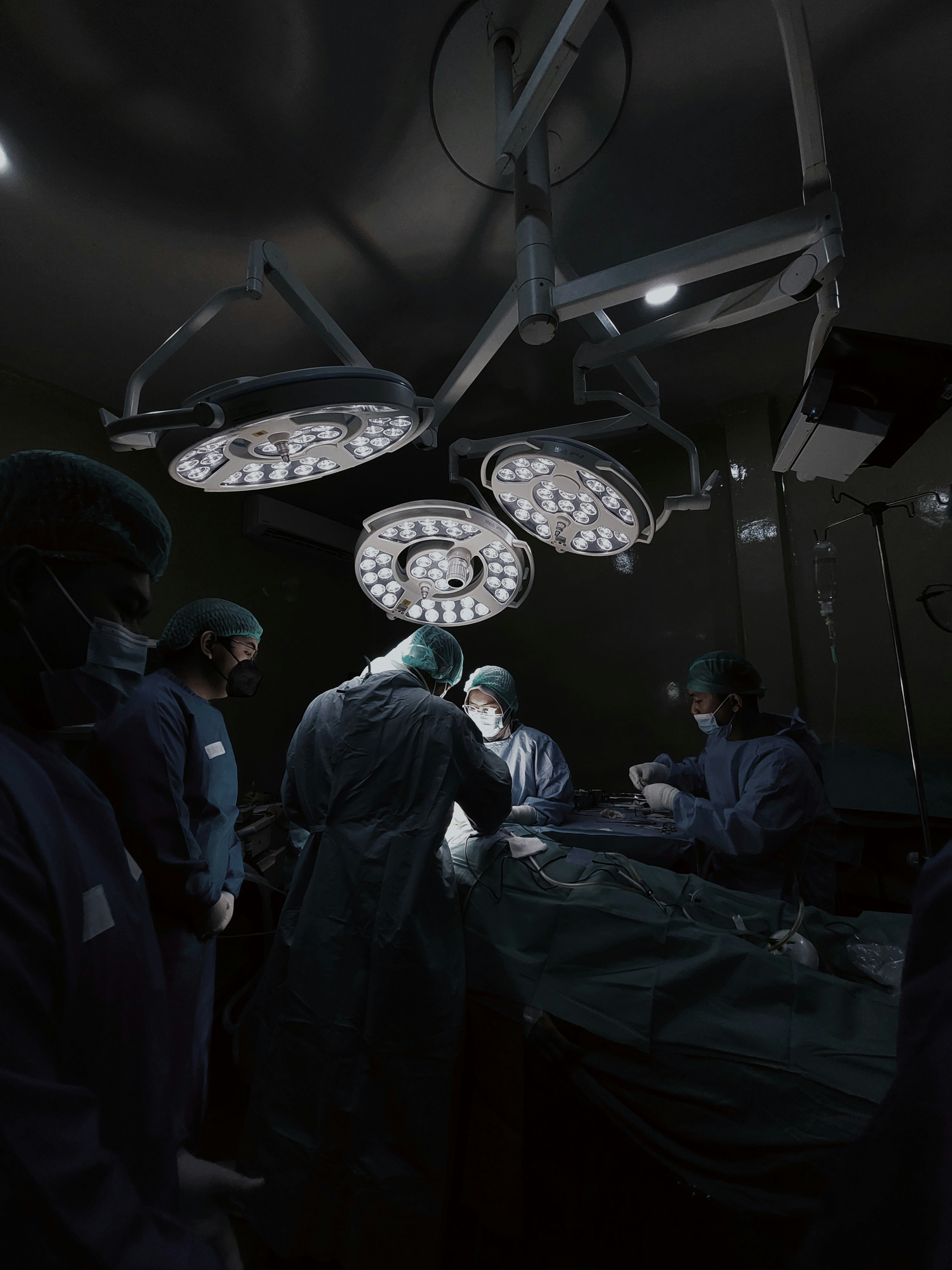
You have submitted your application, received your admission letter, and arrived on campus. Now comes the part that actually matters — what happens inside the hospital. For international MBBS students in China, the journey from lecture hall to clinical practice is where real medical education begins. The anatomy lab and biochemistry exams get you started, but the wards, the operating rooms, and the outpatient clinics are where you become a doctor.
Chinese medical universities have invested heavily in clinical training infrastructure over the past decade. University-affiliated teaching hospitals now see millions of outpatients annually, giving MBBS students exposure to a staggering variety of medical cases. This article walks you through what clinical training actually looks like in Chinese medical schools, how rotations are structured, and what career pathways open up after graduation.
How MBBS Clinical Training Is Structured in China
The standard MBBS program in China runs six years: five years of coursework and clinical training, plus one final year of internship. The curriculum is divided into three clear phases.
Phase 1: Pre-Clinical (Years 1–2)
The first two years focus on basic medical sciences — anatomy, physiology, biochemistry, pathology, pharmacology, and microbiology. You will spend most of your time in lecture halls and laboratories. Most Chinese medical universities now integrate problem-based learning (PBL) sessions into these early years, so even before you step into a hospital, you are already analyzing clinical scenarios in small groups. English-taught programs use English-language textbooks and exams, though most universities also require basic Chinese language training (HSK 3-4) to prepare you for patient interaction later.
Phase 2: Clinical Rotations (Years 3–5)
This is the core of your MBBS training. Starting in year three, students rotate through the major clinical departments of the university’s teaching hospitals. Each rotation typically lasts 4 to 8 weeks. The required rotations include:
| Rotation | Duration | Key Skills Learned |
|---|---|---|
| Internal Medicine | 8 weeks | Patient history, physical exam, differential diagnosis |
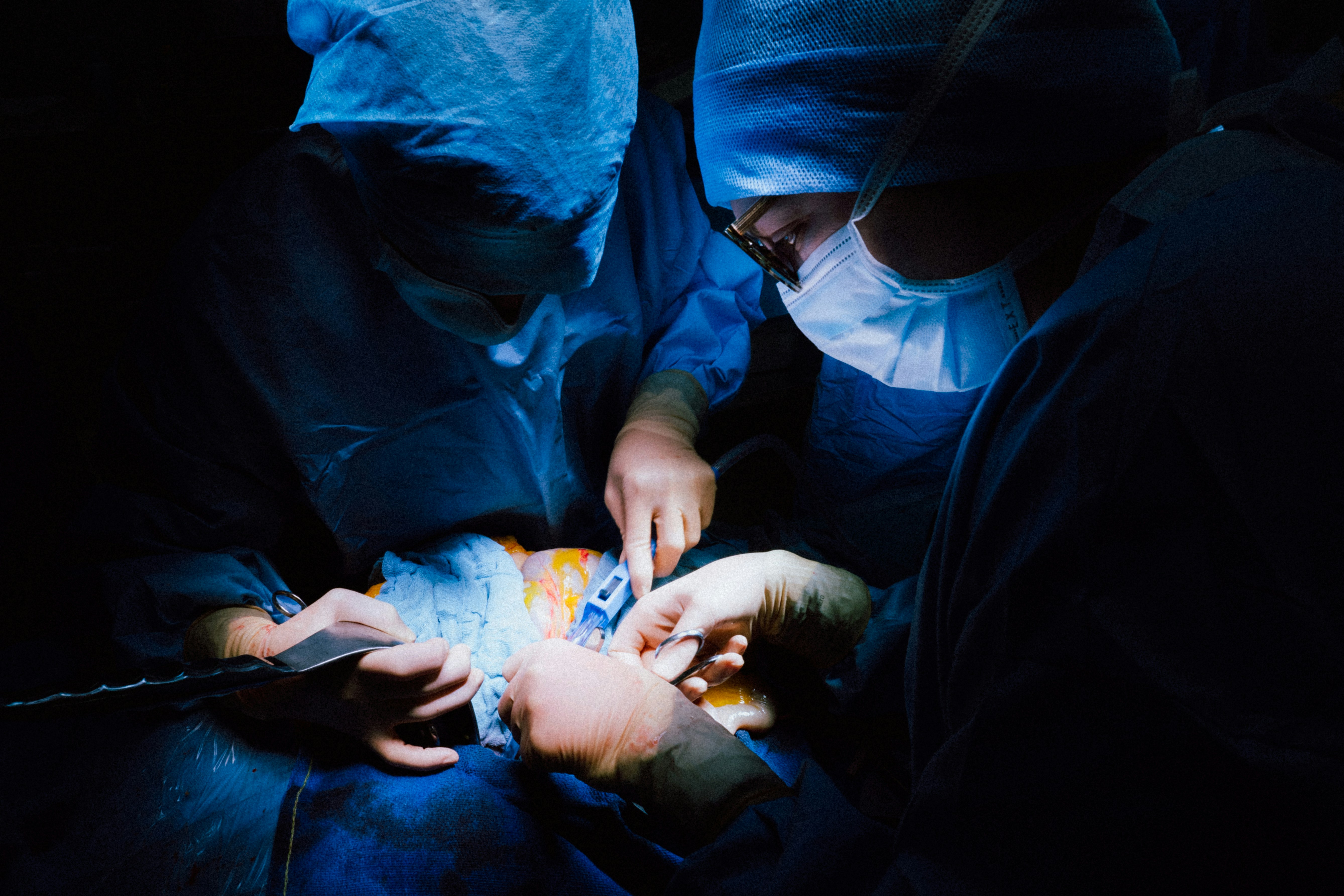
| Surgery | 8 weeks | Wound care, sterile technique, assisting in operations |
| Pediatrics | 6 weeks | Pediatric assessment, growth monitoring, vaccination schedules |
| Obstetrics & Gynecology | 6 weeks | Prenatal care, delivery assistance, gynecological exams |
| Psychiatry | 4 weeks | Mental status exam, psychiatric interview techniques |
| Emergency Medicine | 4 weeks | Trauma assessment, CPR, emergency procedures |
| Orthopedics | 4 weeks | Fracture management, cast application, joint exams |
During these rotations, you are expected to be on the wards every morning for rounds, attend outpatient clinics, and present cases to attending physicians. Most Chinese teaching hospitals assign each MBBS student to a senior resident or attending doctor who supervises their daily work. The hands-on exposure is substantial — by the time you graduate, you will have personally examined hundreds of patients.

Teaching Hospitals: Where You Will Train
Every major medical university in China operates at least one affiliated teaching hospital. These hospitals are not small community clinics — they are massive tertiary-care centers handling thousands of outpatients daily. Here are the teaching hospitals associated with some top MBBS universities:
- Peking University Health Science Center — Peking University First Hospital, Peking University People’s Hospital, Peking University Third Hospital. Combined bed count: over 8,000.
- Fudan University — Zhongshan Hospital, Huashan Hospital, Shanghai Cancer Center. Huashan Hospital alone sees over 14,000 outpatients daily.
- China Medical University (Shenyang) — First Hospital of CMU, Shengjing Hospital. Shengjing Hospital has 6,750 beds — one of China’s largest.
- Wuhan University — Zhongnan Hospital, Renmin Hospital. Both are class A tertiary hospitals with full specialty coverage.
- Shandong University — Qilu Hospital. Founded in 1890, Qilu is one of China’s oldest and most respected teaching hospitals.
The patient volume in these hospitals means you will see conditions that medical students in other countries might only read about in textbooks. Rare tropical diseases, complex trauma cases from construction accidents, advanced-stage cancers — the clinical exposure is unmatched.
Language and Communication on the Wards
A practical question every international MBBS student asks: “Can I communicate with patients in English?” The honest answer is: it varies. In first-tier cities like Beijing and Shanghai, younger patients and hospital staff often speak some English. But in smaller cities, most patients speak only Mandarin or local dialects. This is why Chinese medical universities require international students to reach HSK 4 by the time clinical rotations begin.
Most teaching hospitals also assign Chinese medical students as buddies to international students during rotations. These bilingual buddies help translate during patient interviews and explain local medical terminology. Over the course of your rotations, your Chinese will improve dramatically — by graduation, many international MBBS students are conversant enough to take patient histories in Chinese independently.
Licensing Exams and Career Pathways After MBBS in China
Graduating with an MBBS from China is a major milestone, but your next steps depend on where you plan to practice medicine. Here is a breakdown of the most common pathways:
Returning to Your Home Country
Most international MBBS graduates return home to sit for their country’s licensing exams. For students from South Asia and Africa, the pathway is well established. Pakistan’s PMDC recognizes Chinese MBBS degrees, and Pakistanis who graduate from Chinese medical universities on the PMDC-recognized list can sit for the NLE (National Licensing Exam). Similarly, graduates from India can sit for the FMGE/NExT exam, though they should verify that their university is on the NMC list.
USMLE (United States)
Chinese MBBS graduates are eligible to sit for the USMLE. The US clinical experience is optional but strongly recommended. Chinese medical universities have a growing track record of placing graduates into US residency programs, particularly in internal medicine, family medicine, and pathology. The combination of Chinese clinical exposure (high patient volume) and USMLE scores can be a strong application package.
PLAB (UK) and AMC (Australia)
Chinese MBBS degrees are also recognized for the PLAB exam (UK) and the AMC exam (Australia). Both pathways require graduates to pass written and clinical exams, then complete a period of supervised practice before full registration.
Postgraduate Training in China
A smaller but growing number of international MBBS graduates choose to stay in China for residency training. Since 2025, China has expanded the standardized residency training (Guipai) program to include qualified international medical graduates. Residency positions are competitive but available at teaching hospitals in exchange for a service commitment. The training is rigorous — typically three years — and conducted primarily in Chinese, so fluency is essential.
Scholarship and Funding for Clinical Training
Several scholarships specifically support MBBS students through their clinical years:
- CSC Chinese Government Scholarship — Covers full tuition, accommodation, monthly stipend (≈¥3,000), and medical insurance. Apply through the Chinese embassy in your home country.
- China Medical University Dean’s Scholarship — Partial tuition waiver (up to 50%) for top-performing MBBS students starting from year 3.
- WHO Fellowship Program — Available for students from WHO member states pursuing clinical specialties relevant to public health priorities.
- Provincial Government Scholarships — Many provinces (Liaoning, Jiangsu, Zhejiang, Guangdong) offer scholarships for international students studying at universities within their jurisdiction.
Tips for Making the Most of Clinical Rotations
Based on feedback from hundreds of international MBBS graduates, here are practical tips to get the most out of your clinical years in China:
- Start learning medical Chinese early. Do not wait until year 3. Learn the Chinese names of common diseases, symptoms, and anatomical terms in your first two years.
- Volunteer for extra shifts. The more time you spend on the wards, the more you learn. Evening and weekend shifts at the ER are where you will see the most acute cases.
- Build relationships with attending physicians. Chinese attending doctors appreciate students who show initiative. Ask questions, prepare case presentations, and ask for feedback.
- Document everything. Keep a log of every procedure you observe or perform. You will need this documentation for residency applications.
- Connect with alumni. Every Chinese medical university has a strong alumni network. Reach out to graduates who are now practicing in your target country and ask for advice.
Final Takeaway
An MBBS degree from China gives you real clinical experience that goes beyond what many medical schools in other countries can offer. The high patient volume, the variety of cases, and the hands-on nature of Chinese medical training produce graduates who are clinically confident from day one. If you choose the right university, commit to learning the language, and actively engage during your rotations, you will leave China not just with a degree — but with the skills and confidence to practice medicine anywhere in the world.