
Pakistan and China share one of the strongest educational partnerships in the world — a friendship often described as “higher than the mountains, deeper than the ocean.” In 2024, the number of Pakistani students in China reached over 28,023, ranking Pakistan as the third-largest source country for international students in China, after South Korea and Thailand. With China now the top study destination for Pakistani students, this trend continues to accelerate in 2026, fueled by the China-Pakistan Economic Corridor (CPEC), generous scholarship programs, and the growing perception of China as a safe, affordable, and high-quality education hub.
Whether you’re pursuing MBBS, engineering, computer science, or Chinese language, this comprehensive guide covers everything Pakistani students need to know — from trends and popular programs to scholarships, the application process, cultural adaptation, and real success stories from Pakistani alumni in China.
Why Study in China as a Pakistani Student?
China has become the destination of choice for Pakistani students, and for good reason. Here are the key advantages:
- Geographic proximity: Direct flights connect Islamabad, Lahore, and Karachi with Beijing, Shanghai, Guangzhou, Xi’an, and Urumqi. Flight time from Islamabad to Beijing is just 4.5 hours.
- Affordable tuition: Chinese university tuition is 60-80% lower than equivalent programs in the US, UK, or Australia. An MBBS program in China costs ¥200,000-¥400,000 total, compared to PKR 15-25 million in Pakistan or much more in the West.
- Strong CPEC ties: The China-Pakistan Economic Corridor has created thousands of jobs requiring China-trained professionals. Pakistani graduates from Chinese universities are highly sought after by CPEC-related companies.
- Abundant scholarships: Pakistani students have access to more scholarships than most other nationalities — from the Chinese Government Scholarship (CSC) to the Silk Road Scholarship and provincial grants. In 2024, about 7,034 Pakistani students received scholarships.
- Safe and welcoming environment: China is one of the safest countries in the world, with extremely low crime rates. Pakistani students consistently report feeling welcome and secure on Chinese campuses.
- Halal food availability: Most Chinese universities with international students offer halal canteens (清真食堂). Cities like Beijing, Xi’an, and Lanzhou have well-established Muslim communities and Pakistani restaurants.
- Growing Pakistani diaspora: Major Chinese cities have active Pakistani student associations, making it easy to find community support from day one.
Pakistani Students in China: Numbers and Trends
The number of Pakistani students in China has grown dramatically over the past decade. Here are the key statistics:
| Year | Pakistani Students in China | Global Rank | Key Milestone |
|---|---|---|---|
| 2018 | ~19,000 | 4th | Steady growth pre-CPEC expansion |
| 2020 | ~22,000 | 3rd | Pandemic disruption, many stayed |
| 2022 | ~25,000 | 3rd | Post-pandemic recovery |
| 2023 | ~26,500 | 3rd | Pakistan becomes top 3 source country |
| 2024 | 28,023+ | 3rd | Official data: 6,156 PhD, 3,600 Master’s, 11,100 Bachelor’s |
Source: Pakistan’s National Database and Registration Authority (NADRA) and Chinese Ministry of Education data, 2024. The 2024 data shows Pakistan remains the 3rd largest source of international students in China among 196 countries, with 492,185 total international students in China.
Importantly, Pakistani students in China are distributed across all degree levels — with a significant number at the doctoral level (6,156 PhD students), reflecting the deep research collaboration between the two countries. An additional 3,000 students participate in short-term academic exchange programs.
A recent factor boosting Pakistan’s student flows to China is the US government’s revocation of hundreds of Pakistani student visas in early 2025, which has redirected many prospective students toward Chinese universities where the visa process is more welcoming and predictable.
Most Popular Programs for Pakistani Students in China
MBBS (Medicine) — The #1 Choice
MBBS is by far the most popular program for Pakistani students in China. Pakistan has a severe shortage of medical seats — only about 5,000 MBBS seats are available annually in Pakistani public medical colleges for over 200,000 applicants. Chinese medical universities fill this gap with high-quality, English-taught MBBS programs recognized by the Pakistan Medical Commission (PMC).
- Duration: 5-6 years (including 1 year internship)
- Language: English-taught
- Annual tuition: ¥20,000-¥50,000 (PKR 750,000-1,900,000)
- PMC recognition: Top Chinese medical universities are listed in the PMC’s recognized institutions database
- Graduates: Must pass Pakistan’s NLE (National Licensing Exam) to practice in Pakistan
Top Chinese medical universities for Pakistani students:
- China Medical University (Shenyang) — One of the oldest and most respected medical universities in China; high PMC recognition
- Zhejiang University School of Medicine — Top-ranked program with strong research focus
- Wuhan University School of Medicine — Excellent clinical training in Wuhan’s major hospitals
- Tongji Medical College (HUST) — Renowned for medical education in Central China
- Soochow University Medical College — Growing popularity among Pakistani students
- Nanjing Medical University — Strong clinical program with affordable tuition
- Dalian Medical University — Coastal city, large Pakistani student community
- Shandong University School of Medicine — Historic medical school with strong alumni network
Engineering and Technology
Engineering is the second most popular choice. Pakistan’s growing infrastructure needs and CPEC-related projects create strong demand for engineers with China-trained expertise:
- Civil Engineering — CPEC’s road, rail, and port projects need engineers familiar with Chinese standards
- Electrical Engineering — Power sector projects under CPEC
- Computer Science & AI — Pakistan’s growing IT industry values Chinese tech education
- Mechanical Engineering — Industrial cooperation between Pakistan and China
- Telecommunications — Huawei and ZTE partnerships with Chinese universities
Top universities: Tsinghua University, Zhejiang University, Huazhong University of Science and Technology, Xi’an Jiaotong University, Harbin Institute of Technology, and Beijing Institute of Technology. Annual tuition: ¥15,000-¥35,000.
Chinese Language Programs
Many Pakistani students start with a 1-2 year Chinese language program before entering degree programs. Chinese language skills open doors to careers in trade, diplomacy, and CPEC-related companies. Top universities for Chinese language include Beijing Language and Culture University (BLCU), Peking University, Xi’an International Studies University, and Xinjiang University. One-year intensive programs cost ¥15,000-¥35,000. The Confucius Institute Scholarship fully covers Chinese language study — Pakistan has 4 Confucius Institutes (in Islamabad, Lahore, Karachi, and Faisalabad).
Business and International Trade
With bilateral trade between Pakistan and China exceeding $25 billion annually, bilingual professionals are in high demand. Popular fields include international business, finance, economics, and supply chain management. Top universities include Tsinghua, Peking, Fudan, Shanghai Jiao Tong, and Renmin University. Annual tuition: ¥18,000-¥40,000.
International Relations and CPEC Studies
Unique to Pakistan-China relations, specialized programs in CPEC studies, China-Pakistan relations, and regional cooperation are emerging at Chinese universities. Peking University, Fudan, and Sichuan University offer relevant programs.
Top Chinese Universities for Pakistani Students
| University | City | Flight from Islamabad | Popular Programs | Annual Tuition (CNY) |
|---|---|---|---|---|
| China Medical University | Shenyang | 6h | MBBS, Pharmacy | 25,000 – 45,000 |
| Tsinghua University | Beijing | 4.5h | Engineering, Business | 26,000 – 40,000 |
| Zhejiang University | Hangzhou | 7h | MBBS, Engineering | 25,000 – 45,000 |
| Xi’an Jiaotong University | Xi’an | 5h | Engineering, MBBS | 15,000 – 30,000 |
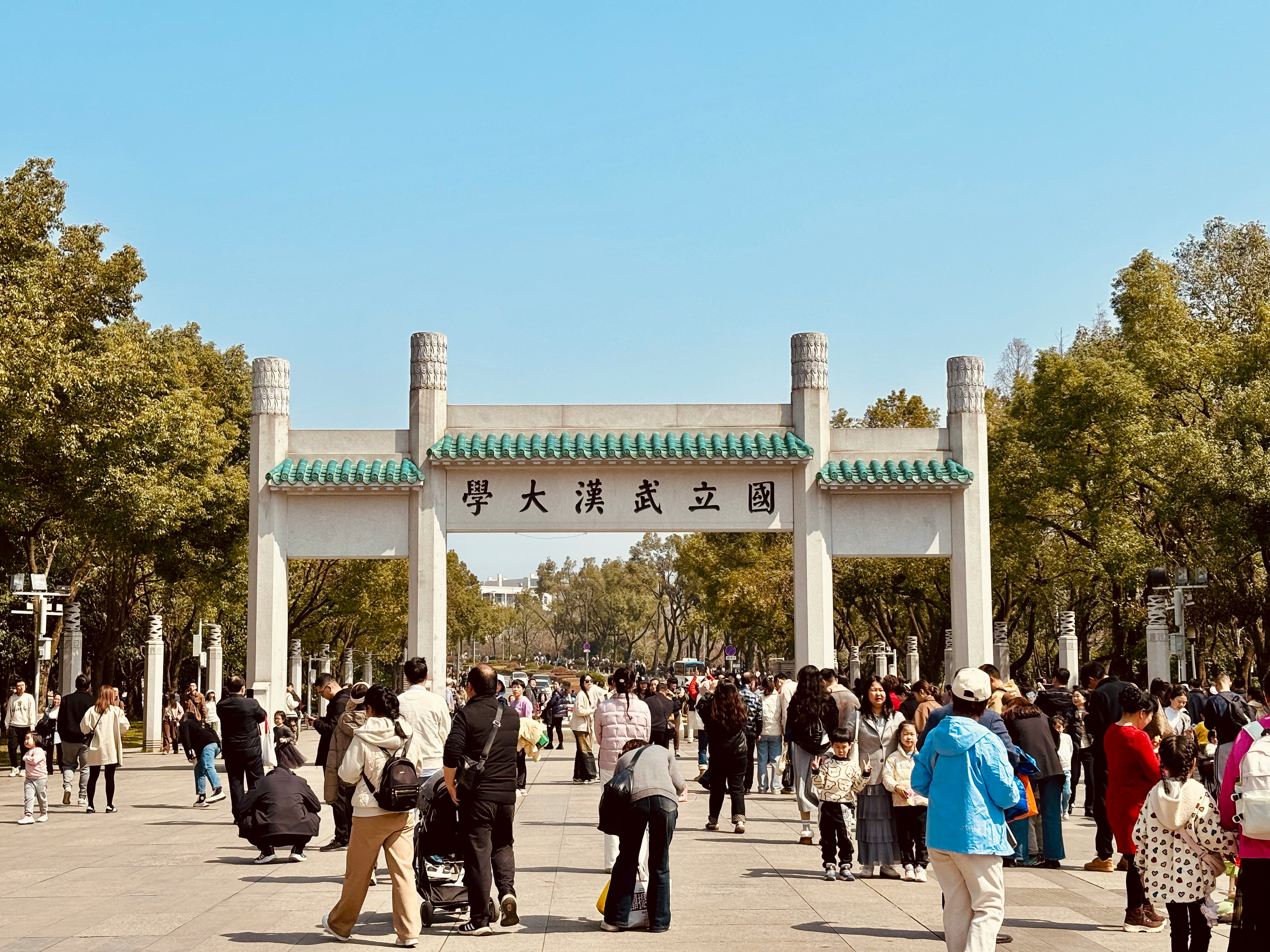
| Wuhan University | Wuhan | 6.5h | MBBS, Chinese Language | 20,000 – 35,000 |
| Harbin Institute of Technology | Harbin | 7h | Engineering, STEM | 15,000 – 28,000 |
| Beijing L&C University | Beijing | 4.5h | Chinese Language | 18,000 – 26,000 |
| Dalian Medical University | Dalian | 7.5h | MBBS, Nursing | 22,000 – 38,000 |
Scholarships for Pakistani Students to Study in China 2026
Pakistani students have access to more scholarship opportunities than almost any other nationality, thanks to the China-Pakistan “All-Weather Strategic Cooperative Partnership” and CPEC.
Chinese Government Scholarship (CSC) — Pakistan Bilateral Program
The flagship scholarship program for Pakistani students. Under the bilateral education agreement between China and Pakistan, hundreds of full scholarships are awarded annually. This program covers:
- Full tuition waiver — no tuition fees for the entire duration of your program
- Free on-campus accommodation — university dormitory provided
- Monthly living stipend — ¥2,500/month for bachelor’s, ¥3,000/month for master’s, ¥3,500/month for PhD
- Comprehensive medical insurance — ¥800/year coverage
Applications are submitted through the CSC website (campuschina.org). The application period for 2026-2027 intake typically runs from January to March 2026. Pakistani applicants are also advised to monitor the Higher Education Commission (HEC) of Pakistan’s website, which coordinates the bilateral scholarship nominations.
CPEC Scholarship Program
Under the China-Pakistan Economic Corridor framework, additional scholarships are allocated specifically for Pakistani students. Priority fields include:
- Infrastructure engineering and construction
- Energy and power systems
- Transportation and logistics
- Telecommunications and IT
- Agriculture and water resource management
Covers full tuition, accommodation, and living expenses. Many Chinese provincial governments also allocate CPEC-related scholarships.
Belt and Road (BRI) Scholarship
Pakistan is one of the top beneficiary countries of the Belt and Road scholarship program. Available for bachelor’s, master’s, and PhD programs. Priority fields include engineering, energy, infrastructure, Chinese language, and international relations. Pakistani students receive special consideration under this program.
Chinese Embassy Scholarship in Pakistan
The Chinese Embassy in Islamabad offers its own scholarship programs, often in partnership with the HEC of Pakistan. These cover full or partial tuition for Pakistani students to study in China. Contact the Education Section of the Chinese Embassy in Islamabad for specific application details.
Confucius Institute Scholarship
For Pakistani students who want to study Chinese language. Covers full tuition, accommodation, and a living stipend of ¥2,500/month. Pakistan has 4 Confucius Institutes in Islamabad, Lahore, Karachi, and Faisalabad. Students who have participated in Confucius Institute programs or passed HSK exams receive priority consideration.
Provincial Government Scholarships
- Beijing Government Scholarship — partial tuition, ¥5,000-¥10,000/year
- Shanghai Government Scholarship — up to ¥30,000/year for top performers
- Guangdong Government Outstanding International Student Scholarship — ¥10,000-¥20,000/year
- Yunnan Provincial Scholarship — popular among South Asian students
- Xinjiang Government Scholarship — proximity to Pakistan makes it a convenient option
University-Specific Scholarships
- Tsinghua University International Student Scholarship — partial to full tuition
- Peking University Scholarship for International Students — varies by program
- China Medical University Scholarship — many medical universities offer merit scholarships for MBBS students
- Zhejiang University International Scholarship — up to full coverage
- HEC-CSC Joint Scholarship — coordinated through Pakistan’s Higher Education Commission
Application Process for Pakistani Students
Step 1: Choose Your Program and University (September-November 2025)
Research programs matching your academic background and career goals. For MBBS, verify the university is on the Pakistan Medical Commission’s recognized list. Consider factors like location, tuition, scholarship availability, and Pakistani student community size. Many Pakistani students prefer cities with established Pakistani communities like Beijing, Xi’an, and Shenyang.
Step 2: Prepare Your Documents (November 2025-January 2026)
- Valid passport (6+ months remaining)
- High school or university transcripts (attested by IBCC/HEC and notarized)
- Degree certificates (attested and notarized)
- Study plan or statement of purpose (500-1000 words)
- Two recommendation letters (from professors or employers)
- Passport photos (white background, 33mm × 48mm)
- Physical examination form (for programs over 6 months)
- Police clearance certificate from Pakistan
- Proof of English proficiency (IELTS 6.0+ recommended for MBBS)
Important for Pakistani applicants: Document attestation from HEC Pakistan is a critical step. Start this process at least 2 months before your application deadline. All documents must be translated into Chinese or English by an officially recognized translation service.
Step 3: Submit Applications (January-March 2026)
Most Chinese universities have application deadlines between January and March for September 2026 intake. Submit through:
- University’s international student portal — direct application
- CSC Scholarship portal (campuschina.org) — for government scholarship applicants
- HEC Pakistan portal — for bilateral program nominees
- Chinese Embassy in Islamabad — for embassy-recommended scholarships
Apply to 4-6 universities to maximize your chances. For MBBS, include 2-3 “reach” and 2-3 “safe” options. Since 2026, all foreign bachelor’s applicants must take the CSCA (College Student Competence Assessment) — this is administered after the competitive selection phase, not during initial application.
Step 4: Receive Admission Letter (April-July 2026)
If accepted, the university will send you an Admission Letter and a JW201 or JW202 Form (Visa Application Form for Study in China). These documents are required for your visa application. Keep both digital and physical originals.
Step 5: Apply for Student Visa (June-August 2026)
Take the following documents to the Chinese Embassy in Islamabad or the Consulates in Karachi and Lahore:
- Valid passport (6+ months remaining)
- Completed visa application form (available at visaforchina.org)
- Passport photo
- Admission Letter from the Chinese university
- JW201 or JW202 Form
- Physical examination record (for X1 visa)
- Proof of accommodation arrangement
Visa processing takes 4-7 working days. Visa fee for Pakistani passport holders: varies by service type.
- X1 Visa: For programs over 180 days (degree programs). You must apply for a Residence Permit within 30 days of arrival.
- X2 Visa: For programs under 180 days (semester exchange, summer courses).
Step 6: Prepare for Departure (August-September 2026)
Book flights — Islamabad-Beijing from $300 round trip; Lahore-Guangzhou from $350. Arrange accommodation — most first-year students live in on-campus dormitories. Pack for the climate (Beijing winters: -10°C to 5°C; Guangzhou: milder but humid). Download essential Chinese apps: WeChat (微信), Alipay (支付宝), and a VPN for access to social media. Exchange some Pakistani Rupees to Chinese Yuan before departure.
Step 7: Arrive and Register (September 2026)
Upon arrival: register with the local police station within 24 hours (university will assist), apply for a Residence Permit within 30 days (X1 holders), attend orientation, open a Chinese bank account, get a Chinese SIM card, and join the Pakistani student association at your university.
Cost of Studying in China for Pakistani Students
| Expense | Monthly (CNY) | Monthly (PKR) | Notes |
|---|---|---|---|
| Dormitory | 500 – 1,500 | 19,000 – 57,000 | Shared room most affordable |
| Food (halal) | 800 – 1,500 | 30,000 – 57,000 | Halal canteen: ¥15-30/meal |
| Transport | 100 – 300 | 3,800 – 11,400 | Metro/bus: ¥2-10/ride |
| Phone + Internet | 80 – 200 | 3,000 – 7,600 | SIM card + campus WiFi |
| Miscellaneous | 500 – 1,000 | 19,000 – 38,000 | Books, supplies, entertainment |
| Total (Self-Funded) | 2,000 – 4,500 | 76,000 – 171,000 | Without tuition (1 CNY ≈ 38 PKR) |
Costs vary by city. Beijing and Shanghai are the most expensive (₨120,000-170,000/month). Xi’an and Shenyang are more affordable (₨76,000-110,000/month). Scholarship recipients receive a monthly stipend that covers all living expenses.
Life and Cultural Adaptation Tips for Pakistani Students
Halal Food and Diet
This is the top concern for most Pakistani students, and the good news is that virtually all Chinese universities with international students have halal canteens (清真食堂). Cities like Beijing (Niujie Muslim Quarter), Xi’an (Muslim Quarter), and Lanzhou have large Muslim communities with halal restaurants and grocery stores. Many Pakistani students also cook in their dormitory kitchens. Imported Pakistani spices and halal meat are available in most major cities through local halal shops and online platforms.
Prayer and Religious Accommodation
Most Chinese universities provide prayer rooms for Muslim students. The Pakistani embassy in Beijing and consulates in Guangzhou and Shanghai organize Friday prayers and Eid celebrations. China has a significant Muslim population — over 20 million — so Islamic religious practices are generally respected. Many universities in Beijing, Xi’an, and Lanzhou have nearby mosques.
Weather and Clothing
Northern Chinese cities (Beijing, Shenyang, Harbin) have cold winters (-10°C to -20°C) — bring warm winter clothing. Southern cities (Guangzhou, Shenzhen) have hot, humid summers and mild winters. Pakistani students from Punjab and Sindh may find southern China’s climate more familiar. Pack light summer clothes for most of the year and a good winter jacket if studying in the north.
Language
For MBBS programs, classes are in English so no Chinese is required initially. However, learning basic Chinese (especially medical terminology) is highly recommended for clinical rotations. Most universities offer free Chinese language courses. HSK 4 is typically required for Chinese-taught programs. Urdu speakers find Chinese pronunciation challenging, but most students reach conversational fluency within 1-2 years of immersion.
Community and Networking
Pakistani student associations (PSAs) exist at almost every Chinese university with international students. WeChat groups connect Pakistani students across different cities. The Pakistani Embassy in Beijing (and consulates in Guangzhou, Shanghai, and Chengdu) regularly host cultural events including Pakistan National Day, Eid celebrations, and networking programs. These communities are invaluable for new arrivals.
Banking and Money
Open a Chinese bank account (ICBC or Bank of China are most common) after registration. Alipay and WeChat Pay are essential for daily life — you can link them to your Chinese bank account. For transferring money, many Pakistani students use Western Union, SadaPay, or local Pakistani hundi services. The exchange rate is approximately 1 CNY = 38 PKR.
Healthcare
All international students are required to have medical insurance. University clinics provide basic care at low cost. For serious medical needs, major cities have international hospitals. The Pakistani Embassy can assist in medical emergencies. Some universities in cities with large Pakistani communities even have Pakistani doctors on staff.
Travel Opportunities
China’s high-speed rail network makes weekend travel easy. A train from Beijing to Xi’an takes 4 hours — perfect for exploring the ancient Silk Road. Many Pakistani students use semester breaks to visit the Great Wall, Shanghai’s skyline, Zhangjiajie’s national parks, and Guangzhou’s cultural sites. Direct flights between Chinese cities and Islamabad/Karachi make home visits affordable during summer and winter breaks.
Key Embassy and Official Contacts
Embassy of the People’s Republic of China in Pakistan
Address: No.1, Main Service Road, Sector G-5/1, Islamabad
Tel: +92-51-849-0000
Consular Section: +92-51-849-1000
Website: pk.china-embassy.gov.cn
Email: chinaemb_pk@mfa.gov.cn
Consulate General of China in Karachi
Address: Plot No. ST-20, Block 4, Clifton, Karachi
Tel: +92-21-3587-3737
Consulate General of China in Lahore
Address: 22-A, Main Boulevard, Gulberg-II, Lahore
Tel: +92-42-3576-0781
Consulate General of China in Peshawar (Honorary)
Address: Bahadur Yar Jang Road, Peshawar
Higher Education Commission (HEC) of Pakistan
Address: Sector H-9, Islamabad
Tel: +92-51-904-0000
Website: hec.gov.pk
Pakistan Medical Commission
Website: pmc.gov.pk — verify recognized Chinese medical universities
Success Stories: Pakistani Students in China
Dr. Ahmed’s Journey — MBBS at China Medical University
Dr. Ahmed from Lahore graduated from China Medical University in Shenyang in 2023 and now practices at a leading hospital in Islamabad. “I chose CMU because it was one of the first Chinese medical universities recognized by the Pakistan Medical Commission. The six-year MBBS program gave me excellent clinical exposure — I rotated through Shenyang’s top hospitals and treated patients from all over Northeast China. The professors were incredibly supportive, and the hands-on training in the teaching hospital was world-class. After graduating, I passed the NLE on my first attempt and now I’m working as a house officer. The total cost was about ¥300,000 — less than a third of what I would have paid for a private medical college in Pakistan.”
Hassan’s Success — Engineering at Tsinghua University
Hassan from Islamabad completed his bachelor’s in Civil Engineering at Tsinghua University and now works as a project engineer on the Sukkur-Multan Motorway (part of CPEC). “Tsinghua’s engineering program is ranked among the best in the world. The curriculum was rigorous but the professors were world-class. What made the biggest difference was the internship opportunity — through Tsinghua’s partnership with Chinese construction companies working on CPEC, I secured a summer internship that turned into a full-time job offer. My Chinese language skills, which I developed during my studies, are essential for my daily work coordinating between Chinese and Pakistani teams.”
Ayesha’s Story — Chinese Language at BLCU
Ayesha from Karachi studied Chinese Language at Beijing Language and Culture University (BLCU) from 2021 to 2023. “I arrived in Beijing with almost no Chinese, just the basic greetings I learned from a YouTube course. After two years of intensive study at BLCU, I passed HSK 5. The immersion environment was incredible — my roommate was from South Korea, my classmates from Russia and Thailand. We spoke Chinese together all day. Now I work as a translator and business coordinator for a Chinese company in Lahore, earning more than double what I could make with just my bachelor’s degree.”
Usman’s Path — Computer Science at Zhejiang University
Usman from Rawalpindi is pursuing his Master’s in Computer Science at Zhejiang University in Hangzhou under a CSC scholarship. “I applied for the CSC scholarship through the HEC portal and was selected. The application process was competitive but straightforward. At ZJU, I’m researching AI applications in healthcare — a field where China is truly leading the world. The university’s labs are state-of-the-art, and I’ve co-authored two papers in international conferences. After graduation, I plan to return to Pakistan and work in the growing tech sector — or possibly join a Chinese tech company in Islamabad’s expanding China-Pakistan IT corridor.”
Frequently Asked Questions
Is MBBS from China recognized in Pakistan?
Yes, MBBS degrees from Chinese universities listed by the Pakistan Medical Commission (PMC) are recognized in Pakistan. Graduates must pass the National Licensing Exam (NLE) to practice. Check the PMC website for the current list of recognized Chinese medical universities before applying.
Do Pakistani students need HSK for MBBS programs?
No. MBBS programs in China are taught entirely in English. However, learning Chinese is highly recommended for clinical rotations and daily life. Some universities require basic Chinese medical vocabulary for your clinical years.
Can Pakistani students work part-time in China?
Yes, since recent policy changes, international students can work part-time with university permission. On-campus jobs are allowed without additional permits. Off-campus internships related to your field require university and immigration approval.
What is the CSCA test?
The College Student Competence Assessment (CSCA) is a new academic readiness test required for all international bachelor’s degree applicants since 2026. It’s administered after the competitive selection phase, not during initial application. The test assesses Chinese language proficiency, logical thinking, and basic academic skills.
How much does it cost to study in China from Pakistan?
For self-funded students, total annual expenses including tuition range from ¥35,000-¥70,000 (PKR 1.3-2.7 million) for most programs. With a full CSC scholarship, you pay nothing — the monthly stipend covers all living expenses.
Are there halal food options on Chinese campuses?
Yes. Most Chinese universities with international students have dedicated halal canteens (清真食堂). Major cities have Muslim quarters with halal restaurants, and Pakistani halal meat is available in cities with large Pakistani communities.
Is China safe for Pakistani students?
China is one of the safest countries in the world. Crime rates are extremely low, university campuses have 24/7 security, and Chinese people are generally welcoming to international students. Pakistani students consistently report feeling very safe in China.
Can Pakistani students bring their families?
Yes, but with restrictions. The X1 visa is for the student only. Family members (spouse and children) can apply for S1 or Q1 visas to join the student. However, dependents are not allowed to work in China. Some universities provide family housing for married graduate students.
Final Advice for Pakistani Students
Start your application process at least 12 months before your intended start date. The most common mistakes Pakistani students make are: missing scholarship application deadlines, not getting documents attested by HEC on time, and applying to only one or two universities. Apply to at least 4-6 universities to maximize your chances.
For MBBS applicants, verify that your target universities are on the PMC’s recognized list before applying. For scholarship applicants, the CSC deadline is typically in early February — start preparing your documents in November of the previous year.
If you’re unsure where to start, contact the HEC Pakistan, the Chinese Embassy in Islamabad, or reach out to Pakistani student associations on social media. Join Facebook groups and WeChat communities for Pakistani students in China — current students are always happy to help newcomers with application questions, accommodation advice, and settling-in tips.
China offers Pakistani students a world-class education at an affordable price, with strong government support through CPEC, abundant scholarship opportunities, and a welcoming environment. The bonds between Pakistan and China are stronger than ever, and Pakistani students in China are not just getting a degree — they’re building the future of the Pakistan-China relationship. Start planning now, and you could be starting your studies at a top Chinese university in September 2026.