
Kazakhstan and China share one of the most dynamic educational partnerships in Central Asia. In 2025, approximately 20,000 Kazakhstani students were studying in China, making Kazakhstan one of the top 15 source countries for international students in China. With Kazakhstan ranking as the 9th largest international student source country globally — over 91,200 Kazakh students study abroad — China has become the second most popular destination after Russia. The Belt and Road Initiative, mutual visa-free travel (30 days), and the government’s Bolashak scholarship program have all contributed to this surge. In 2026, China is offering 73 full educational grants specifically for Kazakh students, covering tuition, accommodation, and living expenses.
Whether you’re pursuing Chinese language, engineering, medicine, or business, China offers world-class programs at a fraction of the cost of Western universities. This comprehensive guide covers everything Kazakh students need to know — from trends and popular programs to scholarships, application procedures, and cultural adaptation tips.
Why Study in China as a Kazakh Student?
China is Kazakhstan’s largest trading partner and a strategic ally under the Belt and Road framework. The educational ties between the two countries are deepening annually. Here’s why more Kazakh students choose China every year:
- Geographic proximity: Urumqi is only a 1.5-hour flight from Almaty. Beijing and Shanghai are 5-6 hours away. Direct flights connect Almaty and Astana with Beijing, Urumqi, Xi’an, and Chengdu.
- Affordable tuition: Chinese university tuition is 50-70% lower than equivalent programs in the US, UK, or Europe. An MBBS program in China costs ¥200,000-¥400,000 total versus ¥3-5 million in the West.
- 73+ government scholarships: The Chinese government allocates dedicated grants for Kazakh students under bilateral agreements — covering full tuition, accommodation, and monthly stipends.
- Mutual visa-free travel: Kazakhstan and China have a mutual visa exemption agreement since 2023, allowing 30-day visa-free stays (up to 90 days within 180 days). Student visa applications are streamlined.
- Belt and Road advantages: Kazakhstan is a core Belt and Road country, giving Kazakh students priority consideration for many Chinese government scholarships and university programs.
- Growing Kazakh diaspora: Major Chinese cities like Beijing, Shanghai, and Urumqi have established Kazakh student communities, making the transition smoother.
- Language advantage: Many Kazakh students already speak Russian and Kazakh. Learning Chinese (Mandarin) as a third language significantly boosts career prospects in trade, logistics, and diplomacy.
Kazakh Students in China: Numbers and Trends
The number of Kazakhstani students in China has grown steadily over the past decade:
| Year | Kazakh Students in China | Growth Rate | Notes |
|---|---|---|---|
| 2020 | ~12,000 | — | Pre-pandemic baseline |
| 2022 | ~14,000 | +16% | Post-pandemic recovery |
| 2023 | ~16,500 | +18% | Visa exemption signed |
| 2024 | ~18,500 | +12% | Steady growth |
| 2025 | ~20,000 | +8% | Latest estimate |
Kazakhstan ranks among the top 5 Central Asian countries sending students to China. The upward trend is expected to continue as more Chinese universities recruit in Kazakhstan and scholarship opportunities expand. In May 2026, the 6th HSK Study in China and Employment Exhibition was held in Moscow, attracting 45 Chinese universities — many Kazakh students also attended, reflecting the growing interest.
Most Popular Programs for Kazakh Students in China
Chinese Language Programs
Chinese language (汉语) is the most popular choice for Kazakh students starting their China journey. Kazakhstan has over 150 universities and 200 secondary schools offering Chinese language courses, and more than 113,000 Kazakh citizens are learning Chinese. Many Kazakh students complete a 1-2 year intensive Chinese language program before entering degree programs. Top universities for Chinese language include Beijing Language and Culture University (BLCU), Peking University, Xinjiang University (closest to Kazakhstan), and Shanghai International Studies University. One-year intensive programs cost ¥15,000-¥35,000. The Confucius Institute Scholarship fully covers Chinese language study. Kazakhstan has 5 Confucius Institutes (in Almaty, Astana, and other major cities), providing a strong foundation for students interested in studying in China.
Engineering
Engineering is a top choice for Kazakh students in China. Kazakhstan’s growing infrastructure, energy, and mining sectors create strong demand for engineers with China-trained expertise. Popular engineering fields include:
- Civil Engineering — Kazakhstan’s infrastructure boom requires engineers familiar with Chinese construction standards and technology
- Petroleum and Chemical Engineering — Given Kazakhstan’s status as a major oil producer, this is a natural fit
- Electrical and Computer Engineering — China’s leadership in 5G, AI, and smart manufacturing attracts many Kazakh students
- Mechanical Engineering — Growing industrial cooperation between the two countries creates demand
Top universities: Tsinghua University, Zhejiang University, Huazhong University of Science and Technology, Xi’an Jiaotong University, and Harbin Institute of Technology. Annual tuition: ¥15,000-¥35,000.
MBBS (Medicine)
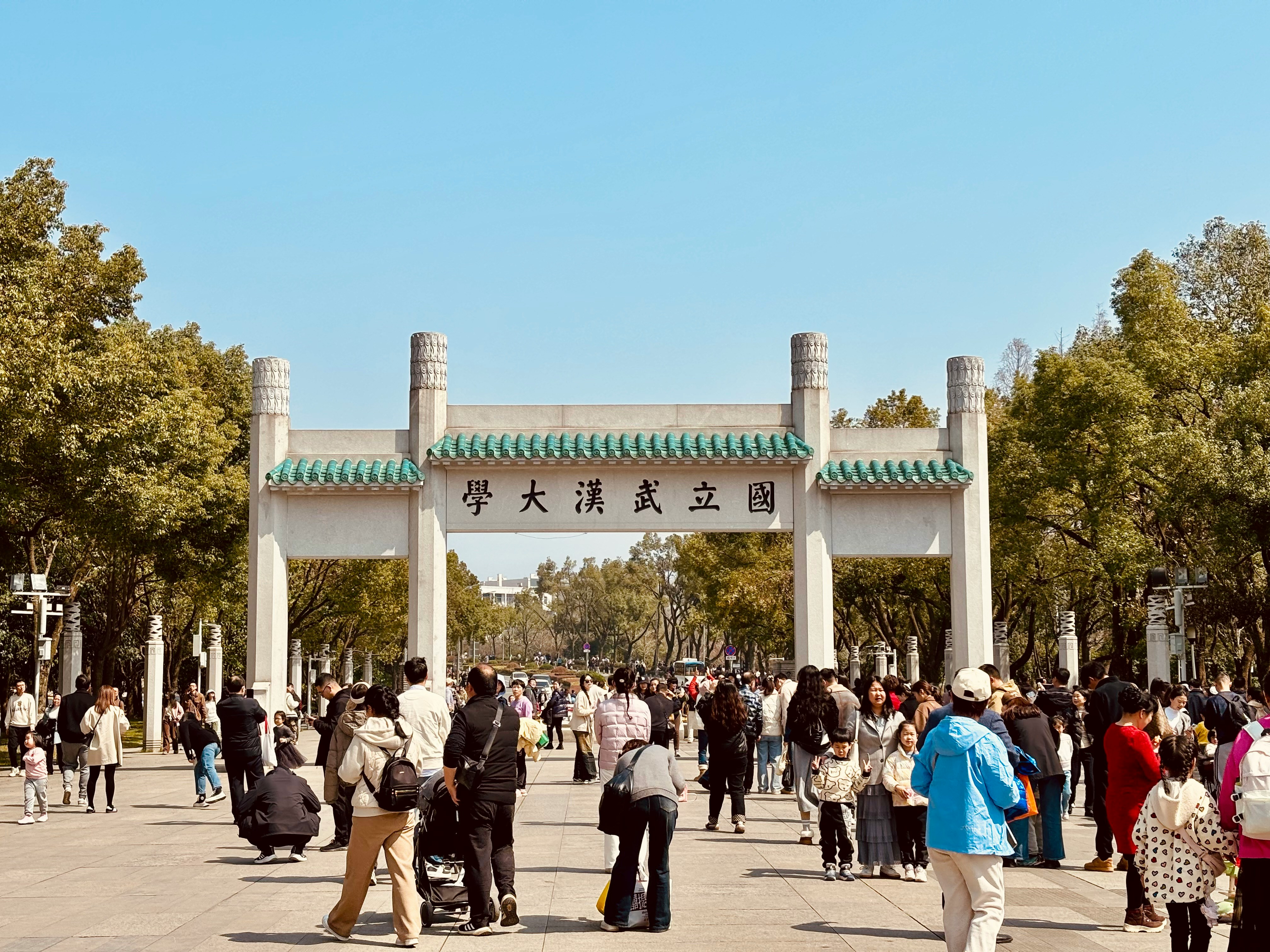
Medicine is increasingly popular among Kazakh students in China. Chinese medical universities offer high-quality MBBS programs taught in English at competitive prices. To practice in Kazakhstan, graduates must pass the national medical licensing exam. Chinese medical universities recognized in Kazakhstan include Peking University Health Science Center, Fudan University Shanghai Medical College, China Medical University, and Wuhan University. Annual MBBS tuition: ¥20,000-¥50,000.
Business and Economics
With bilateral trade between Kazakhstan and China exceeding $40 billion annually, bilingual business professionals fluent in Kazakh, Chinese, and English are in high demand. Popular fields include international business, finance, economics, and supply chain management. Top universities: Tsinghua, Peking, Fudan, Shanghai Jiao Tong, and Renmin University. Annual tuition: ¥18,000-¥40,000.
International Relations and Silk Road Studies
As a key Belt and Road partner, Kazakhstan has a unique demand for professionals trained in China-Kazakhstan relations, regional security, and Silk Road economics. Universities like Peking University, Fudan, and Shanghai University offer specialized programs in this field.
Top Chinese Universities for Kazakh Students
| University | City | Flight from Almaty | Popular Programs | Annual Tuition (CNY) |
|---|---|---|---|---|
| Xinjiang University | Urumqi | 1.5h | Chinese Language, Engineering | 12,000 – 20,000 |
| Peking University | Beijing | 5h | All Programs | 26,000 – 40,000 |
| Tsinghua University | Beijing | 5h | Engineering, Business | 26,000 – 40,000 |
| Fudan University | Shanghai | 6h | Medicine, Business | 25,000 – 45,000 |
| Xi’an Jiaotong University | Xi’an | 4h | Engineering, Chinese Language | 15,000 – 30,000 |
| Zhejiang University | Hangzhou | 6.5h | Engineering, Business | 20,000 – 35,000 |
| Harbin Institute of Technology | Harbin | 5.5h | Engineering, STEM | 15,000 – 28,000 |
| Beijing L&C University | Beijing | 5h | Chinese Language | 18,000 – 26,000 |
Scholarships for Kazakh Students to Study in China 2026
Kazakh students have access to more scholarship opportunities than most other nationalities, thanks to strong bilateral ties and the Belt and Road framework.
Chinese Government Scholarship (CSC) — Kazakhstan Bilateral Program
Under the bilateral education agreement, China offers 73 full scholarships for Kazakh students for the 2026-2027 academic year. This flagship program covers:
- Full tuition waiver — no tuition fees for the entire duration of your program
- Free on-campus accommodation — university dormitory provided
- Monthly living stipend — ¥2,500/month for bachelor’s, ¥3,000/month for master’s, ¥3,500/month for PhD
- Comprehensive medical insurance — ¥800/year coverage
Applications are submitted through the CSC website (campuschina.org) and via Egov.kz or the Center for International Programs in Kazakhstan. The application period for 2026-2027 was January 21 to February 10, 2026. Note: All foreign bachelor’s applicants must now take the CSCA (College Student Competence Assessment), an academic readiness test, after the competitive selection phase.
Belt and Road (BRI) Scholarship
Kazakhstan is one of the top 10 beneficiary countries of the BRI scholarship program. Covers full tuition, accommodation, and living expenses. Available for bachelor’s, master’s, and PhD programs. Priority fields include infrastructure, engineering, energy, logistics, and Chinese language. Kazakh students are given special consideration under this program due to Kazakhstan’s strategic role in the Belt and Road.
Bolashak International Scholarship (Kazakh Government)
Kazakhstan’s own flagship scholarship program, Bolashak (Болашақ), has funded over 14,000 Kazakh students to study abroad since 1993. In 2026, Bolashak continues to include Chinese universities in its approved list. This is a full scholarship covering tuition, living expenses, travel costs, and visa fees. Priority fields for China include engineering, medicine, and Chinese language. Apply through the Center for International Programs in Kazakhstan.
Confucius Institute Scholarship
For Kazakh students who want to study Chinese language. Covers full tuition, accommodation, and a living stipend of ¥2,500/month. Kazakhstan has 5 Confucius Institutes in cities including Almaty, Astana, and Karaganda. Students who have participated in Confucius Institute programs or passed HSK exams receive priority consideration.
Provincial Government Scholarships
- Xinjiang Uygur Autonomous Region Scholarship — up to ¥15,000/year; ideal for Kazakh students due to proximity and cultural similarity
- Beijing Government Scholarship — partial tuition, ¥5,000-¥10,000/year
- Shanghai Government Scholarship — up to ¥30,000/year for top performers
- Guangdong Government Outstanding International Student Scholarship — ¥10,000-¥20,000/year
University-Specific Scholarships
Many universities offer their own scholarships for international students, including Kazakh students:
- Tsinghua University International Student Scholarship — partial to full tuition
- Peking University Scholarship for International Students — varies by program
- Xinjiang University Central Asian Student Scholarship — specifically designed for students from Kazakhstan and other Central Asian countries
- Zhejiang University International Scholarship — up to full coverage
- Chinese University Scholarship — many C9 League universities offer merit-based scholarships
Application Process for Kazakh Students
Step 1: Choose Your Program and University (September-November 2025)
Research programs that match your academic background and career goals. Consider location — Xinjiang University in Urumqi is closest to Kazakhstan (1.5-hour flight from Almaty). If you want top-tier brands, apply to Beijing, Shanghai, and Zhejiang universities. Check admission requirements including HSK level if your program is taught in Chinese, or IELTS/TOEFL for English-taught programs.
Step 2: Prepare Your Documents (November 2025-January 2026)
- Valid passport (6+ months remaining)
- High school or university transcripts (notarized and translated into Chinese or English)
- Degree certificates (notarized and translated)
- Study plan or statement of purpose (500-1000 words)
- Two recommendation letters (from professors or employers)
- Passport photos (white background, 33mm × 48mm)
- Physical examination form (for programs over 6 months)
- Police clearance certificate from Kazakhstan
- Proof of English or Chinese proficiency (IELTS/TOEFL or HSK)
Note for Kazakh applicants: Document notarization and translation must be done through an officially recognized service in Kazakhstan. Start this process at least one month before your application deadline.
Step 3: Submit Applications (January-March 2026)
Most Chinese universities have application deadlines between January and March for September 2026 intake. Submit through:
- University’s international student portal — direct application
- CSC Scholarship portal (campuschina.org) — for government scholarship applicants
- Center for International Programs in Kazakhstan — for bilateral program applicants
- Egov.kz — Kazakhstan’s e-government portal for scholarship applications
Apply to 3-5 universities to increase your chances. Since 2026, all foreign bachelor’s applicants must take the CSCA test — however, it is administered after the competitive selection phase, not during the initial application.
Step 4: Receive Admission Letter (April-July 2026)
If accepted, the university will send you an Admission Letter and a JW201 or JW202 Form (Visa Application Form for Study in China). These documents are required for your visa application. Keep digital copies and the physical originals.
Step 5: Apply for Student Visa (June-August 2026)
Take the following documents to the Chinese Embassy in Astana or the Consulate in Almaty:
- Valid passport (6+ months remaining)
- Completed visa application form (available at visaforchina.org)
- Passport photo
- Admission Letter from the Chinese university
- JW201 or JW202 Form
- Physical examination record (for X1 visa)
- Proof of accommodation arrangement
Visa processing takes 4-7 working days.
- X1 Visa: For programs over 180 days (degree programs, year-long language). You must apply for a Residence Permit within 30 days of arriving in China.
- X2 Visa: For programs under 180 days (semester programs, summer courses). Valid for the duration of your program.
Important for Kazakh citizens: Thanks to the mutual visa exemption agreement between Kazakhstan and China (effective since November 2023), Kazakh passport holders can enter China visa-free for up to 30 days. However, for long-term study exceeding 30 days, you still need an X1 or X2 student visa. The visa-free policy is convenient for pre-visit campus tours and short-term language courses.
Step 6: Prepare for Departure (August-September 2026)
Book flights — Almaty-Urumqi from $120 one-way; Almaty-Beijing from $250. Arrange accommodation — most first-year international students live in on-campus dormitories. Pack for the climate of your destination city (Beijing’s winters are similar to Astana’s but Shanghai’s summers are more humid). Download essential Chinese apps: WeChat (微信), Alipay (支付宝), and a VPN if you need access to Google/Instagram.
Step 7: Arrive and Register (September 2026)
Upon arrival in China: register with the local police station within 24 hours (required by Chinese law; your university’s international student office will help), apply for a Residence Permit within 30 days (for X1 visa holders), attend university orientation, open a Chinese bank account, and get a Chinese SIM card. Being from Kazakhstan, you may find that Xinjiang’s food and culture feel familiar, making the transition much smoother.
Cost of Studying in China for Kazakh Students
| Expense | Monthly (CNY) | Monthly (KZT) | Notes |
|---|---|---|---|
| Dormitory | 500 – 1,500 | 32,500 – 97,500 | Shared room: ₸32,500; Single: ₸97,500 |
| Food | 800 – 1,500 | 52,000 – 97,500 | University canteen: ¥15-30/meal |
| Transport | 100 – 300 | 6,500 – 19,500 | Metro/bus: ¥2-10/ride |
| Phone + Internet | 80 – 200 | 5,200 – 13,000 | SIM card + campus WiFi |
| Miscellaneous | 500 – 1,000 | 32,500 – 65,000 | Books, supplies, entertainment |
| Total (Self-Funded) | 2,000 – 4,500 | 130,000 – 292,500 | Without tuition (1 CNY ≈ 65 KZT) |
Costs vary significantly by city. Urumqi (₸100,000-150,000/month) is the most affordable option for Kazakh students and offers culturally familiar food. Beijing (₸150,000-250,000/month) and Shanghai (₸180,000-292,500/month) are more expensive. Students with full scholarships pay essentially nothing for living expenses since the stipend covers everything.
Life and Cultural Adaptation Tips for Kazakh Students
Food and Diet
Kazakh cuisine (beshbarmak, kazy, manti) shares some similarities with Xinjiang’s halal food scene. Most Chinese universities with international students have halal canteens (清真食堂). Urumqi and Xi’an have large Muslim communities and familiar food options. In Beijing, the Niujie (Ox Street) Muslim Quarter offers halal food from Central Asia and Xinjiang. Many Kazakh students also learn to cook in their dormitory kitchens.
Weather and Clothing
Northern Chinese cities (Beijing, Harbin, Xi’an) have cold winters similar to Kazakhstan — temperatures can drop to -15°C. Southern cities (Shanghai, Guangzhou) have milder winters but hot, humid summers. Pack accordingly: a good winter coat, thermal layers, and comfortable summer clothing.
Language
Kazakh students often have an advantage: many already speak Kazakh, Russian, and learn Chinese as a third language. Most Chinese universities offer free Chinese language courses for international students. The HSK (汉语水平考试) is your gateway — HSK 4 is typically required for Chinese-taught degree programs. Kazakh speakers find Chinese pronunciation challenging at first, but with consistent practice, most reach HSK 4 within 12-18 months.
Community and Networking
Kazakh student associations exist at most major Chinese universities. WeChat groups connect Kazakh students across different cities. The Kazakh Embassy in Beijing regularly hosts cultural events and provides support services. Connecting with Kazakh alumni who have studied in China can provide valuable guidance on courses, professors, and career opportunities.
Banking and Money
Open a Chinese bank account (ICBC, Bank of China, or China Construction Bank) after registering at your university. Alipay and WeChat Pay are essential for daily transactions. Many Kazakh students use UnionPay cards or transfer money via Gold Crown (a popular remittance service between Kazakhstan and China). The exchange rate is approximately 1 CNY = 65 KZT.
Healthcare
All international students in China are required to have medical insurance. University clinics provide basic healthcare at low cost. For serious medical needs, major cities have international hospitals with English and Russian-speaking doctors. The Kazakh Embassy can assist in medical emergencies.
Travel Opportunities
With the mutual visa exemption, Kazakh students can travel freely between Kazakhstan and China. Semester breaks are ideal for visiting home or exploring China. Chinese high-speed rail connects major cities — a train from Beijing to Shanghai takes 4.5 hours. Many Kazakh students take advantage of weekends to explore Xinjiang, Xi’an, and the Silk Road historical sites.
Visa and Embassy Information
Embassy of the People’s Republic of China in Kazakhstan
Address: 12, Seifullin Street, Astana 010000
Tel: +7-7172-793-561
Consular Section: +7-7172-793-583
Website: kz.china-embassy.gov.cn
Consulate General of China in Almaty
Address: 137, Baitursynov Street, Almaty 050012
Tel: +7-727-270-02-10
Consular Section: +7-727-270-02-15
Consulate General of China in Aktobe
Hyatt Regency Hotel, Aktobe
Center for International Programs (Bolashak)
Address: Astana, 010000, 36/1 Mangilik El Avenue, Block C3
Tel: +7-7172-74-01-07
Website: bolashak.gov.kz
Success Stories: Kazakh Students in China
Aslan’s Story — Engineering at Tsinghua University
Aslan from Almaty graduated from Tsinghua University with a bachelor’s in Civil Engineering in 2024. “I chose Tsinghua because it’s ranked among the top engineering schools in the world. The professors are world-class, and the hands-on laboratory experience was incredible. After graduation, I returned to Kazakhstan and joined a Chinese-Kazakh joint venture in the construction sector. My Chinese language skills and engineering knowledge from Tsinghua made me a valuable asset.” Today, Aslan works as a project manager on the Kazakhstan section of the Western Europe-Western China highway project.
Aigerim’s Journey — Chinese Language at BLCU
Aigerim from Nur-Sultan (Astana) studied Chinese Language at Beijing Language and Culture University (BLCU) from 2020 to 2022. “I came to China with zero Chinese knowledge. After two years at BLCU, I passed HSK 5. The immersive environment and the Confucius Institute scholarship made it possible. Now I work as a translator for a Chinese company in Almaty, earning three times the average local salary.”
Daulet’s Path — MBBS at China Medical University
Daulet from Shymkent is in his final year of MBBS at China Medical University in Shenyang. “The quality of medical education here is excellent. Our professors have experience from top hospitals, and the teaching hospital gives us real clinical exposure. The total cost for six years is about ¥250,000 — that’s less than one year at a medical school in Europe. After graduation, I plan to take the Kazakhstan medical licensing exam and practice in Astana.”
Frequently Asked Questions
Do Kazakh students need HSK to study in China?
Not always. Programs taught in English (MBBS, some engineering and business programs) don’t require HSK. For Chinese-taught programs, HSK 4 is usually the minimum. Some universities offer conditional admission with a preparatory Chinese language year.
Can Kazakh students work part-time in China?
Yes, since policy changes in recent years, international students in China can work part-time with permission from their university. On-campus jobs are allowed without additional permits. Off-campus internships related to your field require university approval.
What is the CSCA test?
The College Student Competence Assessment (CSCA) is a new academic readiness test required for all international bachelor’s degree applicants since 2026. You don’t need to submit it during the initial application — it’s administered after the competitive selection phase. The test assesses Chinese language proficiency, logical thinking, and basic academic skills.
How much does it cost to study in China from Kazakhstan?
For self-funded students, total annual expenses including tuition range from ¥35,000-¥70,000 (about ₸2.3-4.5 million) for most programs. With a full CSC or BRI scholarship, you pay nothing — in fact, the monthly stipend covers your living expenses.
Are Chinese degrees recognized in Kazakhstan?
Yes. Degrees from Chinese universities recognized by the Chinese Ministry of Education are recognized in Kazakhstan under the bilateral education agreement. Most top Chinese universities (C9 League, Project 985 universities) are recognized by the Kazakhstan Ministry of Education and Science. For medical degrees, graduates must pass Kazakhstan’s medical licensing exam.
Is China safe for Kazakh students?
China is one of the safest countries in the world. Crime rates in Chinese university cities are extremely low. Campuses have 24/7 security, and Chinese people are generally friendly toward international students. Kazakh students often feel safer in China than in many other destinations.
Final Advice for Kazakh Students
Start your application process at least 10-12 months before your intended start date. The most common mistake Kazakh students make is missing scholarship deadlines or submitting incomplete documents. Prepare your notarized transcripts early, research the CSCA requirements if applying for a bachelor’s program, and apply to multiple universities.
If you’re unsure where to start, contact the Center for International Programs in Astana, the Chinese Embassy, or reach out to Kazakh alumni networks on social media. Join WeChat groups for Kazakh students in China — current students and alumni are often happy to help with application questions, accommodation tips, and settling-in advice.
China offers Kazakh students a world-class education at an affordable price, with geographic proximity, deep cultural connections through the Silk Road, and growing economic ties that translate directly into career opportunities. Start planning now, and you could be starting your studies at a Chinese university in September 2026.