
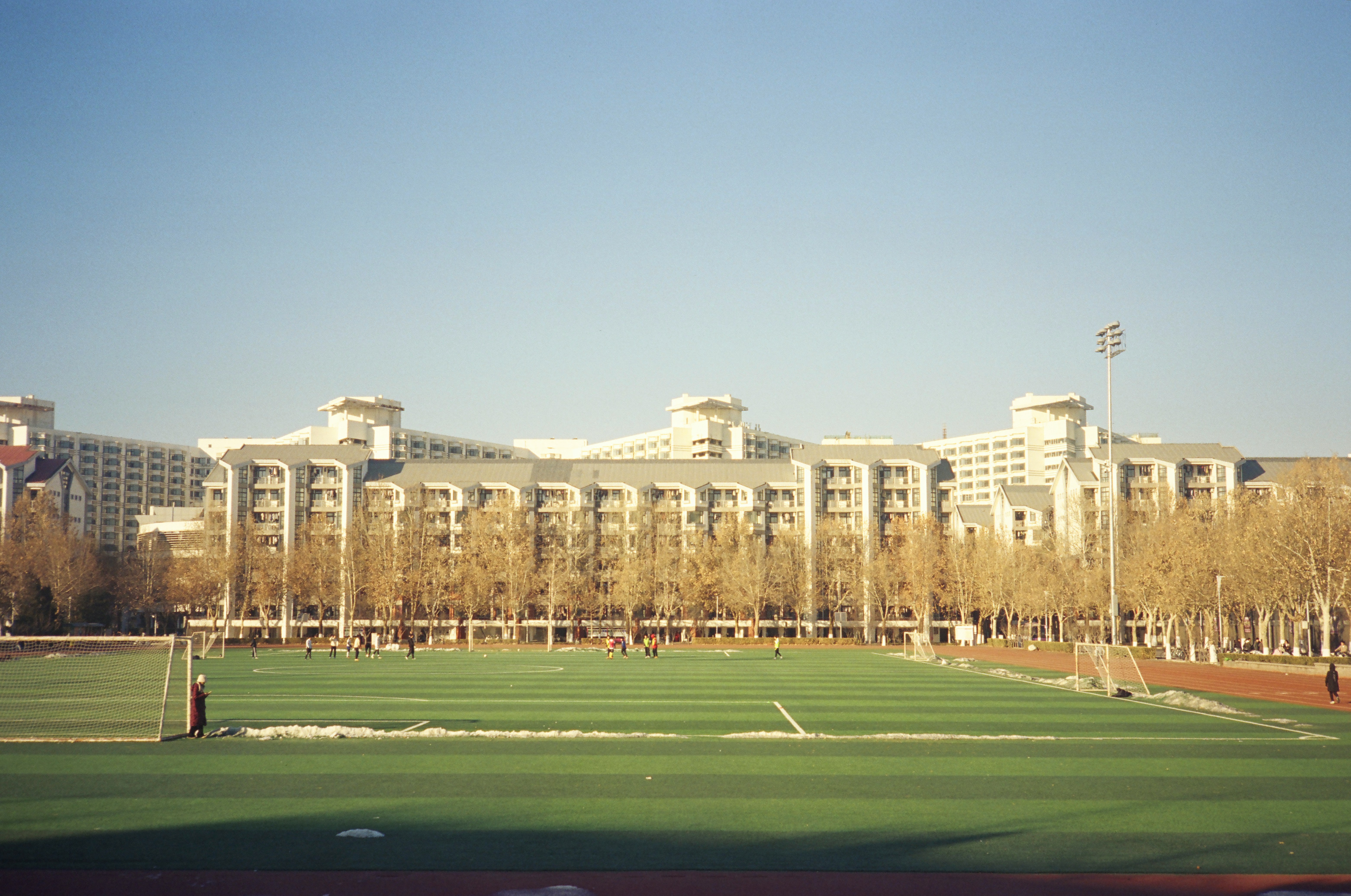
India and China share one of the most significant educational relationships in Asia. With over 25,000 Indian students currently pursuing higher education in China — the vast majority enrolled in medical programs — China has become the second-largest destination for Indian students studying MBBS abroad, after Russia. What started with just 150 Indian students following Prime Minister Vajpayee’s historic visit to China in 2004 has grown into a 25,000-strong community by 2025, driven by affordable tuition, English-medium programs, and China’s world-class university infrastructure.
For Indian students facing intense competition at home — where 12.36 lakh students clear NEET for just 1.18 lakh MBBS seats across 780 medical colleges — China offers a practical, high-quality, and cost-effective alternative. This comprehensive guide covers everything Indian students need to know about studying in China in 2026: from enrollment trends and the 45 MOE-approved universities to scholarship opportunities, the application process, visa requirements, and real success stories from Indian alumni in China.
Why Study in China as an Indian Student?
China’s appeal for Indian students goes far beyond affordability. Here are the key advantages:
- Affordable world-class education: The total 6-year cost of MBBS in China ranges from ₹20-₹40 lakh — less than half the cost of a private medical college in India, where fees can exceed ₹1 crore.
- 45 MOE-approved English-medium medical universities: China has 45 universities officially approved by the Chinese Ministry of Education to offer English-taught MBBS programs — all recognized by the National Medical Commission (NMC) of India.
- Highly competitive Indian environment: With 12.36 lakh NEET qualifiers competing for just 1.18 lakh MBBS seats, China absorbs thousands of qualified Indian students who deserve medical education but cannot secure a seat in India.
- Modern infrastructure and clinical exposure: Chinese medical universities are equipped with state-of-the-art laboratories, simulation centers, and affiliated teaching hospitals with high patient volumes.
- Abundant scholarship opportunities: The Chinese Government Scholarship (CSC), provincial scholarships, and university merit scholarships significantly reduce the financial burden.
- Growing Indian diaspora: Indian student associations are active at most major Chinese universities. Cities like Beijing, Shanghai, and Guangzhou have established Indian communities with Indian restaurants, grocery stores, and cultural organizations.
- Safety and stability: China has one of the lowest crime rates in the world. University campuses have 24/7 security, making it a safe environment for students.
- Strategic location: Direct flights connect Delhi, Mumbai, Kolkata, and Bengaluru with Beijing, Shanghai, Guangzhou, and Chengdu. Flight time from Delhi to Beijing is approximately 5 hours.
Indian Students in China: Numbers and Trends
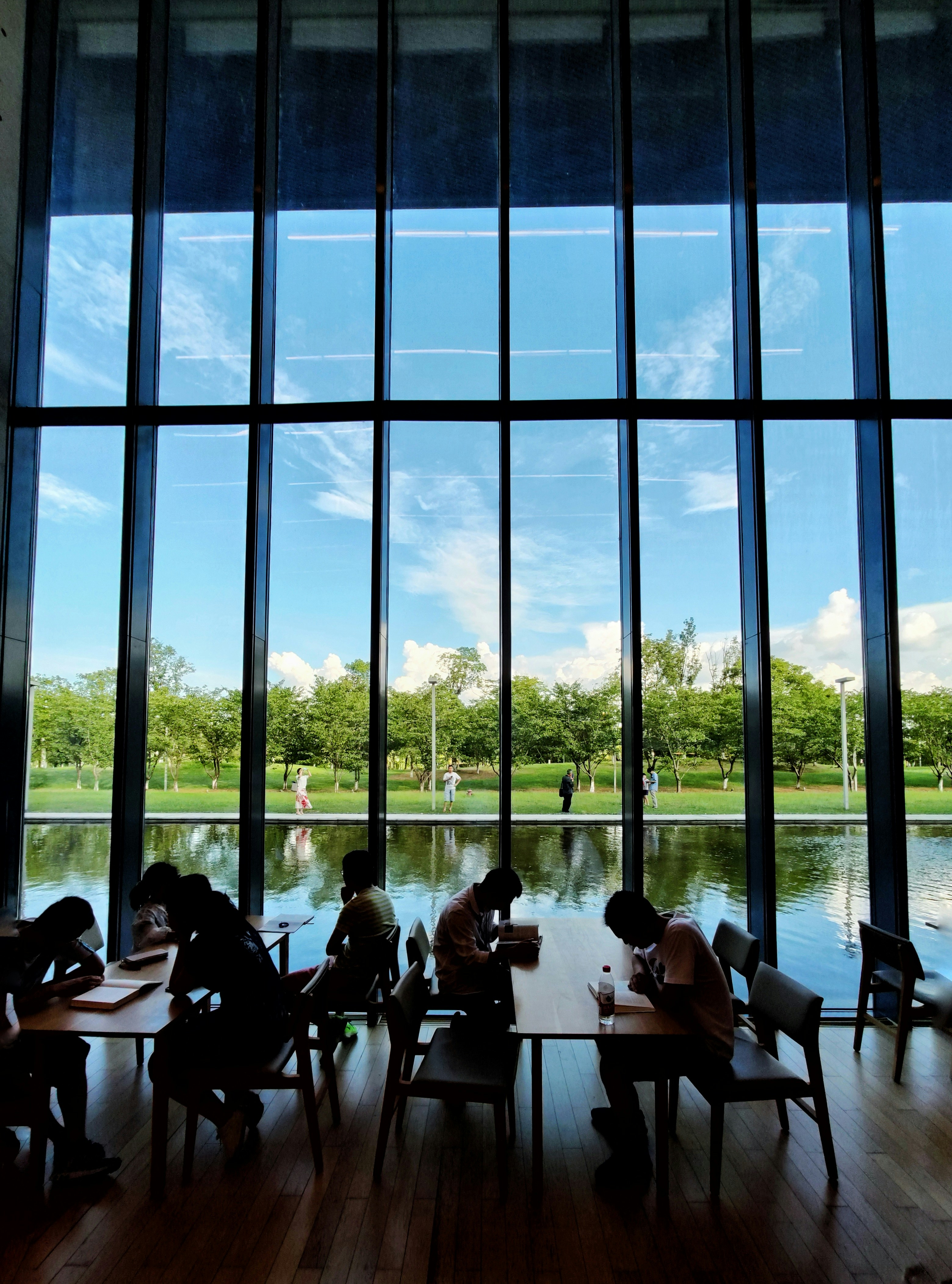
The story of Indian students in China began in 2004, when the first batch of 150 students traveled to China following a bilateral agreement after Prime Minister Vajpayee’s visit. Over the following two decades, this number grew exponentially. Here are the key statistics:
| Year | Indian Students in China | % in Medical Programs | Key Milestone |
|---|---|---|---|
| 2004 | ~150 | ~100% | First batch after Vajpayee visit |
| 2018 | ~15,000 | ~90% | Steady growth over 14 years |
| 2021 | 23,000 | ~91% (21,000 in medicine) | Official data from MOS V. Muraleedharan |
| 2023 | ~23,500 | ~90% | Post-pandemic recovery, universities reopen |
| 2025 | ~25,000 | ~85% | Steady recovery; growing interest beyond medicine |
Sources: Indian Ministry of External Affairs (2021 data via V. Muraleedharan), The Hindu (2025), ORCASIA research (2026). India is now the second-largest source country for international medical students in China, after Pakistan. Approximately 10,000 Indian students are currently living on Chinese campuses across various provinces.
The year 2025 saw 14,214 Chinese medical graduates appear for the FMGE (Foreign Medical Graduate Examination) in India — the largest cohort from any single country — highlighting the massive scale of Indian medical education in China.
Most Popular Programs for Indian Students in China
MBBS (Clinical Medicine) — The Dominant Choice
MBBS accounts for approximately 85-90% of Indian students in China. India’s severe shortage of medical seats — only 1.18 lakh seats for 12.36 lakh NEET qualifiers — makes China the most attractive alternative. China’s 45 MOE-approved English-medium medical programs offer Indian students a direct pathway to a globally recognized MBBS degree at a fraction of the cost of private colleges in India.
- Duration: 6 years (5 years classroom + 1 year internship)
- Language: English-taught (pre-clinical); Chinese/HSK-4 required for clinical rotations (Year 3-6)
- Annual tuition: ¥33,000-¥75,000 (₹4.59-₹10.43 lakh)
- NMC recognition: All 45 MOE-approved universities are NMC-recognized
- Graduates: Must pass FMGE (or NExT from 2028) to practice in India, plus 12-month CRMI
Top Chinese medical universities for Indian students (FMGE 2024 performance):
- Fudan University (Shanghai) — #30 QS World Rankings 2026; tuition ¥75,000/year; top-tier research hospital network
- Zhejiang University (Hangzhou) — #49 QS World Rankings 2026; tuition ¥42,800/year; excellent clinical facilities
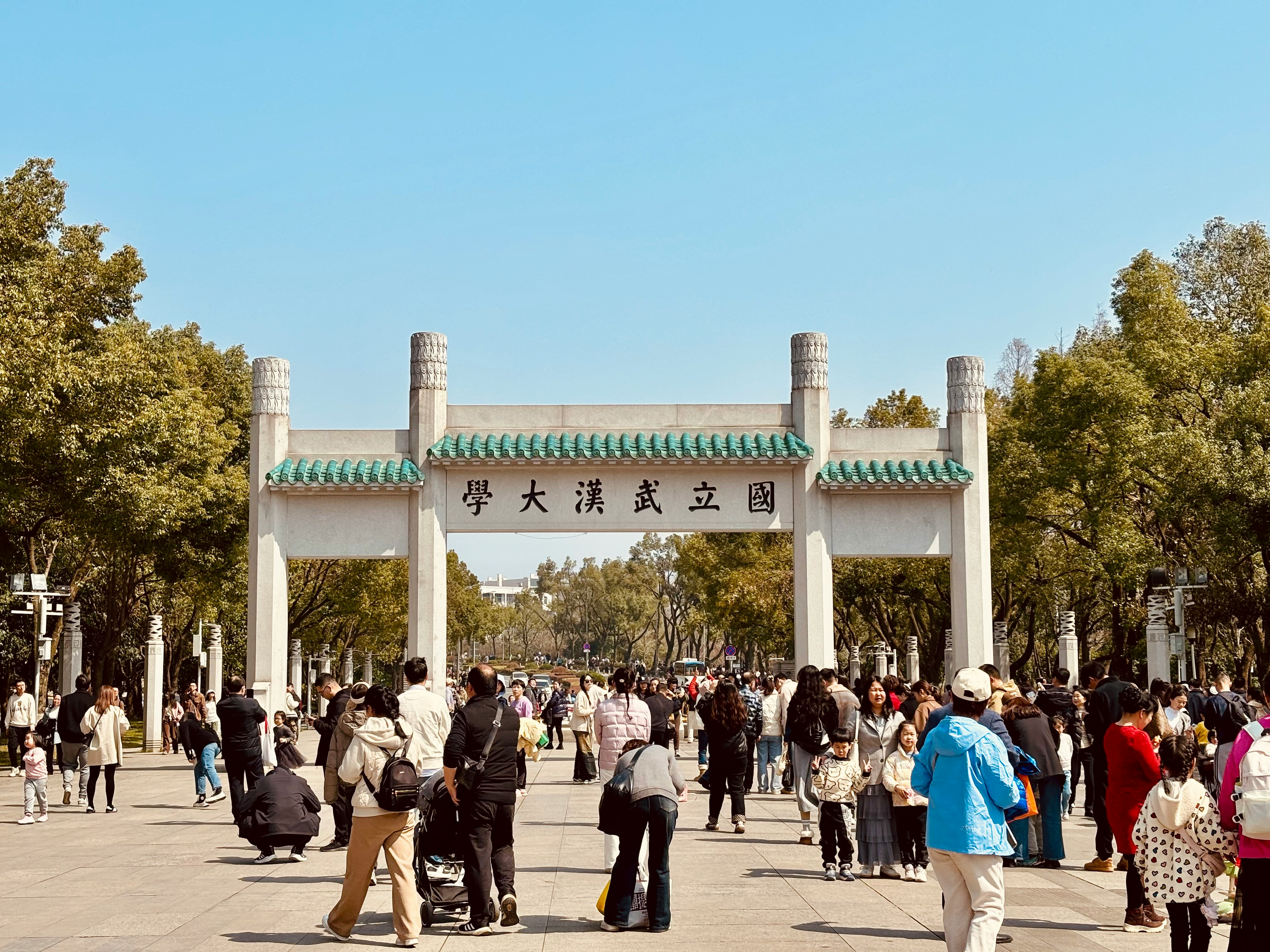
- Wuhan University (Wuhan) — #186 QS World Rankings; tuition ¥40,000/year; strong Indian alumni network
- Nanjing Medical University (Nanjing) — FMGE 2024 pass rate 36.94%; tuition ¥34,000/year; excellent value
- Jiangsu University (Zhenjiang) — FMGE 2024 pass rate 42.59% (highest among Chinese medical universities); tuition affordable
- China Medical University (Shenyang) — Tuition ¥40,000/year; one of China’s oldest medical schools
- Huazhong University of Science and Technology (Wuhan) — #319 QS; tuition ¥40,000/year; Tongji Medical College
- Jilin University (Changchun) — #473 QS; tuition ¥33,000/year (most affordable); cold climate
Chinese Language Programs
An increasing number of Indian students are pursuing Chinese language studies — especially those interested in careers in trade, diplomacy, and translation between India and China. India’s Confucius Institutes at Delhi University, Jadavpur University (Kolkata), and Mumbai University offer HSK preparation courses. Chinese language proficiency is also a growing advantage for careers in multinational companies operating between India and China. Top universities for Chinese language include Beijing Language and Culture University (BLCU), Peking University, and Fudan University.
Engineering and Technology
While less popular than medicine, engineering programs at top Chinese universities attract Indian students interested in fields like computer science, artificial intelligence, and civil engineering — areas where Chinese universities excel globally. Tsinghua University, Zhejiang University, and Shanghai Jiao Tong University rank among the world’s best in engineering. Annual tuition ranges from ¥15,000-¥40,000.
Business and International Trade
With bilateral trade between India and China surpassing $135 billion, bilingual professionals with Chinese education are in growing demand. Popular fields include international business, finance, and supply chain management. Top choices include Tsinghua SEM, Peking University HSBC Business School, Fudan School of Management, and Shanghai Jiao Tong University Antai College.
Top Chinese Universities for Indian Students
| University | City | Popular Programs | Annual Tuition (CNY) | QS 2026 Rank |
|---|---|---|---|---|
| Fudan University | Shanghai | MBBS, Business | 75,000 | #30 |
| Zhejiang University | Hangzhou | MBBS, Engineering | 42,800 | #49 |
| Wuhan University | Wuhan | MBBS, Chinese Lang | 40,000 | #186 |
| Nanjing Medical University | Nanjing | MBBS | 34,000 | – |
| China Medical University | Shenyang | MBBS, Pharmacy | 40,000 | – |
| HUST (Tongji Medical) | Wuhan | MBBS | 40,000 | #319 |
| Jilin University | Changchun | MBBS | 33,000 | #473 |
Scholarships for Indian Students to Study in China 2026
Indian students have access to several scholarship programs that significantly reduce — or completely eliminate — the cost of studying in China.
Chinese Government Scholarship (CSC) — India Bilateral Program
The flagship scholarship for Indian students. The Embassy of the People’s Republic of China in India manages the CSC bilateral program, accepting applications annually. This full scholarship covers:
- Full tuition waiver — no tuition fees for the entire program duration
- Free on-campus accommodation or accommodation subsidy
- Monthly living stipend — ¥2,500/month for bachelor’s, ¥3,000/month for master’s, ¥3,500/month for PhD
- Comprehensive medical insurance — ¥800/year
Applications are submitted through the CSC online portal (campuschina.org) and the Chinese Embassy in New Delhi. The application period for 2026-2027 intake typically runs from January to March 2026. Indian applicants should monitor the Embassy’s website at india.lxgz.org.cn for specific announcements. In 2024, the Embassy held a pre-departure orientation for CSC scholarship recipients in August, confirming the program’s active continuation.
Provincial Government Scholarships
- Beijing Government Scholarship — ¥5,000-¥10,000/year partial tuition
- Shanghai Government Scholarship — up to ¥30,000/year for outstanding students
- Guangdong Government Outstanding International Student Scholarship — ¥10,000-¥20,000/year
- Jiangsu Provincial Scholarship — popular among Indian students studying at Nanjing universities
- Zhejiang Provincial Scholarship — available for students at Zhejiang-area universities
University Merit Scholarships
- Fudan University International Student Scholarship — partial to full tuition based on academic performance
- Zhejiang University International Scholarship — up to full coverage for top performers
- Nanjing Medical University Scholarship — merit-based, 10-50% tuition waiver
- China Medical University Scholarship — for outstanding MBBS students
- Jiangsu University Scholarship — various scholarship programs for international students
Belt and Road (BRI) Scholarship
China’s Belt and Road Initiative includes scholarship programs that are available to Indian students. These cover full tuition, accommodation, and living expenses, with priority given to programs in engineering, infrastructure, Chinese language, and international relations.
Application Process for Indian Students
Step 1: Choose Your University and Program (September-November 2025)
Research the 45 MOE-approved universities for MBBS. Verify the university is on the NMC-recognized list by checking the official MOE website (moe.gov.cn) and the Embassy of India in Beijing’s advisory (eoibeijing.gov.in). For MBBS, ensure the university is WHO WDOMS-listed. For other programs, check university rankings and program accreditation. Consider factors like tuition fees, city climate, Indian community size, and FMGE pass rates.
Step 2: Meet NEET Requirement (2025)
All Indian students aspiring to study MBBS abroad must clear NEET with a qualifying score. The NMC Eligibility Certificate must also be obtained before taking admission — not after. This is a mandatory requirement — students who apply without these will not be eligible for FMGE upon graduation.
Step 3: Prepare Your Documents (November 2025-January 2026)
- Valid passport (6+ months remaining)
- Class 10, 11, and 12 mark sheets and certificates (attested by CBSE/State Board and notarized)
- NEET scorecard
- NMC Eligibility Certificate (obtained from NMC before applying)
- Statement of Purpose (500-1000 words explaining why you want to study in China)
- Two recommendation letters (from school principals or science teachers)
- Passport photos (white background, 33mm × 48mm)
- Physical examination form (including HIV and Hepatitis B tests)
- Police clearance certificate (from local police station in India)
- Bank statement showing sufficient funds (for self-funded applicants)
Critical for Indian MBBS applicants: Your documents must be attested by the respective education board and notarized. Start the attestation process at least 2-3 months before application deadlines. The NMC Eligibility Certificate is the single most important document — without it, you cannot be admitted to an MBBS program abroad.
Step 4: Submit Applications (January-March 2026)
Most Chinese universities accept applications between January and March for the September 2026 intake. Submit through:
- University’s international student portal — direct online application
- CSC Scholarship portal (campuschina.org) — for government scholarship applicants
- Chinese Embassy in New Delhi — for embassy-recommended scholarships
Apply to 4-6 universities to maximize your chances. For MBBS, include 2-3 reach schools (top universities like Fudan, Zhejiang) and 2-3 safe options (Jilin, Nanjing Medical). Since 2026, all foreign bachelor’s applicants must take the CSCA (College Student Competence Assessment) — administered after the competitive selection phase.
Step 5: Receive Admission Letter (April-July 2026)
If accepted, the university sends an Admission Letter and a JW201 (scholarship) or JW202 (self-funded) Form. These documents are critical for your student visa application. Keep both digital scans and physical originals. Scholarship recipients should check their CSC status online through the CSC portal.
Step 6: Apply for X1 Student Visa (June-August 2026)
Indian students require an X1 Student Visa for programs longer than 6 months. Apply at the Chinese Embassy in New Delhi or the Consulates in Mumbai, Kolkata, Chennai, or Bengaluru. Required documents:
- Valid passport (6+ months remaining)
- Completed visa application form (available at visaforchina.org)
- Passport photo (white background, 33mm × 48mm)
- Admission Letter from the Chinese university
- JW201 or JW202 Form
- Physical examination record (for X1 visa)
- Proof of accommodation arrangement
Visa processing takes 4-7 working days. Visa fee: approximately ₹6,000-₹8,000. After arriving in China, you must apply for a Residence Permit within 30 days.
Chinese Embassy and Consulates in India:
- Embassy of China in New Delhi: 50-D, Shantipath, Chanakyapuri, New Delhi; Tel: +91-11-2611-2345
- Consulate General in Mumbai: 10th Floor, Hoechst House, Nariman Point, Mumbai; Tel: +91-22-6632-4303
- Consulate General in Kolkata: EC-72, Sector-1, Salt Lake City, Kolkata; Tel: +91-33-4004-8169
- Consulate General in Chennai: 20, Sterling Road, Nungambakkam, Chennai; Tel: +91-44-2831-2302
- Consulate General in Bengaluru: 8th Floor, Prestige Meridian 1, M.G. Road, Bengaluru; Tel: +91-80-2212-1458
Step 7: Prepare for Departure (August-September 2026)
Book flights — Delhi-Beijing round trip from $350-500; Mumbai-Shanghai from $400-550. Most first-year students live in on-campus dormitories. Pack for the climate — northern cities (Beijing, Shenyang, Changchun) have cold winters (-10°C to -20°C). Southern cities (Shanghai, Guangzhou) have hot, humid summers. Essential apps to install: WeChat (微信), Alipay (支付宝), and a reliable VPN. Recommended VPNs for accessing Indian websites and social media: NordVPN, ExpressVPN.
Step 8: Arrive and Register (September 2026)
Upon arrival in China: register with the local police station within 24 hours (the university’s international student office will assist), apply for a Residence Permit within 30 days (X1 visa holders), attend university orientation, open a Chinese bank account (ICBC or Bank of China), get a Chinese SIM card (China Mobile or China Unicom), and join the Indian Student Association at your university. Start Chinese language classes immediately — HSK-4 preparation takes 12-18 months and is required by Year 3 for clinical rotations.
Cost of Studying in China for Indian Students
| Expense | Monthly (CNY) | Monthly (₹) | Notes |
|---|---|---|---|
| Dormitory | 600 – 1,500 | 8,340 – 20,850 | Shared room most affordable |
| Food | 800 – 1,800 | 11,120 – 25,020 | Canteen meals: ¥15-40/meal |
| Transport | 100 – 300 | 1,390 – 4,170 | Metro/bus: ¥2-10/ride |
| Phone + Internet | 80 – 200 | 1,112 – 2,780 | SIM card + campus WiFi |
| Miscellaneous | 500 – 1,000 | 6,950 – 13,900 | Books, supplies, entertainment |
| Total Living | 2,200 – 4,500 | 30,580 – 62,550 | Without tuition (1 CNY ≈ 13.9 INR) |
Total 6-year MBBS cost including tuition: ₹20-₹40 lakh (¥200,000-¥400,000). Costs vary significantly by city — Shanghai and Beijing are most expensive; Changchun, Shenyang, and Zhenjiang are most affordable. Scholarship recipients receive a monthly stipend that covers all living expenses.
FMGE 2024: What Indian MBBS Students in China Need to Know
The FMGE (Foreign Medical Graduate Examination) is the licensing exam that Indian MBBS graduates from abroad must pass to practice in India. Here are the 2024 results for China:
| Country | FMGE 2024 Pass Rate | Candidates | Passed |
|---|---|---|---|
| Georgia | 35.65% | 4,221 | 1,505 |
| Russia | 29.54% | 7,000+ | 2,000+ |
| China | 19.45% | 14,214 | 2,765 |
| Philippines | 18.48-24% | 13,000+ | 2,500+ |
| Overall Average | 25.80% | 79,000 | 20,382 |
While China’s overall pass rate of 19.45% is below the national average, university-specific rates vary dramatically. Jiangsu University achieved 42.59% and Nanjing Medical University achieved 36.94% — both significantly above the national average of 25.80%. Choosing the right university within China is critical for FMGE success. Indian students should begin FMGE preparation as early as Year 2 of their MBBS program. From 2028, FMGE will be replaced by NExT (National Exit Test).
Life and Cultural Adaptation Tips for Indian Students
Food and Diet
Indian food is available in most Chinese cities with international student populations. Beijing has a substantial Indian community with restaurants in the Guomao and Wudaokou areas. Shanghai’s Indian Quarter near the Bund and Guangzhou’s Xiaobei Road area offer authentic Indian cuisine and grocery stores selling Indian spices, dal, and basmati rice. Most university canteens offer vegetarian options (素菜). Many Indian students cook their own meals in shared dormitory kitchens. Instant Indian meal kits (MTR, Gits) are available on Chinese e-commerce platforms like Taobao and JD.com — search for “印度食品” (Indian food).
HSK-4 Chinese Language Requirement
This is the single most important academic requirement Indian students must prepare for. All MBBS programs require HSK Level 4 (1,200-word vocabulary) before starting clinical rotations in Year 3. The first two pre-clinical years include Chinese language classes to help students reach this level. From zero to HSK-4 typically takes 12-18 months of consistent study. Recommended preparation tools: HelloChinese app, ChinesePod, HSK Online app, and Confucius Institute courses. Indian students who start learning basic Chinese before arriving in China have a significant advantage.
Weather and Clothing
China’s climate varies dramatically by region. Northern cities (Beijing, Shenyang, Changchun, Harbin) have cold, dry winters with temperatures dropping to -10°C to -20°C — pack thermal wear, heavy jackets, and woolens. Southern cities (Shanghai, Guangzhou, Nanjing) have hot, humid summers and mild winters. Indian students from North India (Delhi, Punjab) will find northern China’s winters similar but colder. Students from South India (Kerala, Tamil Nadu, Karnataka) may prefer southern Chinese cities like Guangzhou and Kunming which have more familiar tropical climates.
Banking and Money Transfers
Open a Chinese bank account (ICBC or Bank of China) after registration. Alipay and WeChat Pay are essential for daily life — link them to your Chinese bank account. For transferring money from India, most Indian students use Wise (formerly TransferWise), Western Union, or direct international wire transfers from Indian banks (SBI, HDFC, ICICI). Some students use cryptocurrency (USDT) for peer-to-peer transfers. The exchange rate is approximately 1 CNY = 13.9 INR. Scholarship students receive their monthly stipend directly into their Chinese bank account.
Healthcare and Insurance
All international students are required to have comprehensive medical insurance (¥800/year through the university). University clinics provide basic care at low cost. For serious medical needs, major cities have international hospitals with English-speaking doctors. The Embassy of India in Beijing can assist in medical emergencies. India has a strong diplomatic presence in China with the embassy in Beijing and consulates in Shanghai, Guangzhou, and Hong Kong.
Indian Community and Networking
Indian Student Associations (ISAs) are active at most Chinese universities with Indian students. Major Indian communities exist in Beijing (Wudaokou area), Shanghai (Pudong, Hongqiao), and Guangzhou. WeChat groups connect Indian students across different universities and cities. The Embassy of India in Beijing regularly hosts cultural events including Republic Day (January 26), Independence Day (August 15), Diwali, and Holi celebrations. These communities are invaluable resources for new arrivals.
VPN and Internet Access
China’s internet firewall blocks many websites commonly used in India, including Google, YouTube, WhatsApp, Facebook, Instagram, and Twitter/X. Install a reliable VPN before arriving in China — recommended options include NordVPN, ExpressVPN, and Astrill. Set up your VPN on both your phone and laptop before departure. WeChat is the primary communication platform in China and functions without a VPN.
Travel Opportunities
China’s high-speed rail network makes weekend travel convenient and affordable. From Beijing, you can reach Xi’an (4.5 hours), Shanghai (4.5 hours), or Nanjing (3.5 hours). Popular destinations among Indian students include the Great Wall, the Bund in Shanghai, West Lake in Hangzhou, Zhangjiajie’s national parks, and the Leshan Giant Buddha. Direct flights between major Chinese cities and Delhi/Mumbai make home visits during summer and winter breaks straightforward.
Key Official Contacts for Indian Students
Embassy of India in Beijing
Address: 1, Ritan East Road, Chaoyang District, Beijing 100600
Tel: +86-10-6532-1908
Website: eoibeijing.gov.in
Email: hoc.beijing@mea.gov.in
Consulate General of India in Shanghai
Address: 1008, Shanghai International Trade Centre, 2201 Yan’an West Road, Shanghai
Tel: +86-21-6275-8885
Consulate General of India in Guangzhou
Address: 14F, Block D, CITIC Plaza, 233 Tianhe North Road, Guangzhou
Tel: +86-20-8550-1501
Embassy of China in New Delhi
Address: 50-D, Shantipath, Chanakyapuri, New Delhi 110021
Tel: +91-11-2611-2345
Website: in.china-embassy.gov.cn
National Medical Commission (NMC)
Website: nmc.org.in — for FMGE registration and eligibility certificate
Chinese Scholarship Council (CSC)
Website: campuschina.org — for scholarship applications
Success Stories: Indian Students in China
Dr. Priya’s Journey — MBBS at Jiangsu University
Dr. Priya from Kerala graduated from Jiangsu University in Zhenjiang in 2024 and passed the FMGE on her second attempt. “I chose Jiangsu University because it had the highest FMGE pass rate among Chinese medical universities — 42.59% in the 2024 exam. The six-year MBBS program was rigorous but the clinical training was exceptional. Our teaching hospital in Zhenjiang had over 3,000 beds and we rotated through all major departments. The professors were patient with international students, and the Chinese language classes in the first two years helped me communicate with patients during clinical rotations. After failing FMGE on my first attempt (I scored 145), I took a focused preparation course and passed with 162 marks. Now I’m completing my CRMI at a hospital in Kochi and plan to specialize in cardiology. Jiangsu University cost me about ₹22 lakh total — less than a quarter of what a private MBBS in India would have cost.”
Rey’s Story — From Haryana to Internet Fame in Sichuan
Rey from Haryana moved to Nanchong, Sichuan in 2020 to pursue his MBBS at North Sichuan Medical College. His Chinese nickname is “Yangtze River” (长江), and he has become an internet celebrity with over 500,000 followers across Chinese social media platforms. “The competition in India’s medical entrance exams was incredibly fierce — I studied for two years before deciding to go abroad,” Rey shares. “When I first arrived, I could only say ‘hello’ and ‘thank you’ in Chinese. But I made Chinese friends, studied hard, and within a year I could hold basic conversations. My videos show Chinese audiences what Indian student life is really like — breaking stereotypes and building cultural bridges. For Indian students considering China, my advice is: learn Chinese as early as possible, be open to the culture, and never feel shy about asking for help.”
Vivek’s Path — Teaching Hindi at Guangdong University
Vivek Mani Tripathi from Bihar took an unconventional path. Despite his father being a Sanskrit professor who was initially wary of his decision, Vivek pursued Chinese language studies instead of Sanskrit. “My family was skeptical at first — why study Chinese when you could study Sanskrit?” Vivek recalls. He moved to China and eventually earned a position teaching Hindi at Guangdong University of Foreign Studies in Guangzhou. “Now I’m part of the Foreign Studies department, teaching Hindi to Chinese students. I share stories of ancient Indian and Chinese civilizations — the common history, culture, and philosophy that connect our two great nations. For Indian students who want something beyond medicine, China offers incredible opportunities in language studies, teaching, and cultural exchange.”
Ananya’s Scholarship Path — CSC at Zhejiang University
Ananya from Bengaluru is pursuing a Master’s in Computer Science at Zhejiang University in Hangzhou under a full CSC scholarship. “I applied through the Chinese Embassy in New Delhi. The process was competitive — I needed strong academic records, a compelling study plan, and two recommendation letters. When I got the email saying I’d been selected for the full scholarship, I couldn’t believe it. My tuition, accommodation, and living expenses are all covered. I receive ¥3,000/month as a master’s student, which is more than enough for living in Hangzhou. The AI labs at ZJU are world-class — I’m working on natural language processing for cross-lingual applications between Hindi and Chinese. After graduation, I plan to work in the AI industry in either China or India.”
Frequently Asked Questions
Is MBBS from China valid in India?
Yes, but only if the university is on the MOE-approved list of 45 universities AND you obtained an NMC Eligibility Certificate before admission. Graduates must pass the FMGE (or NExT from 2028) and complete a 12-month CRMI at an NMC-recognized Indian hospital before practicing in India. Students enrolled in non-MOE-listed universities or bilingual programs are NOT eligible for FMGE.
Do Indian students need NEET for MBBS in China?
Yes. NEET is mandatory for all Indian students who wish to study MBBS abroad. A qualifying NEET score is required for admission and for FMGE eligibility upon graduation. As of 2026, NEET remains a non-negotiable requirement.
What is the FMGE pass rate for Chinese MBBS graduates?
The FMGE 2024 pass rate for Chinese medical graduates was 19.45% (national average 25.80%). However, top universities significantly outperform this: Jiangsu University (42.59%) and Nanjing Medical University (36.94%). University selection within China is critical for FMGE outcomes.
Is HSK (Chinese language) required for MBBS in China?
Yes. Most MOE-approved universities require HSK Level 4 (1,200-word vocabulary) before clinical rotations begin in Year 3. The first two pre-clinical years include Chinese language classes. HSK-4 takes approximately 12-18 months of consistent study to achieve. Students who do not pass HSK-4 by Year 3 may face delays in clinical progression.
How much does MBBS in China cost for Indian students?
The total 6-year cost ranges from ₹20-₹40 lakh (¥200,000-¥400,000), including tuition (¥33,000-¥75,000/year), dormitory, food, transport, and personal expenses. With a full CSC scholarship, students pay nothing — the monthly stipend covers all living needs.
Can Indian students work part-time in China?
Recent policy changes allow international students to work part-time with university permission. On-campus jobs are permitted without additional permits. Off-campus internships related to your field require both university and immigration approval. For MBBS students, clinical rotations count as academic requirements, not paid work.
Is vegetarian food available in China?
Yes. Most university canteens have vegetarian options (素菜). Major cities have Indian restaurants with extensive vegetarian menus. Indian grocery stores in Beijing, Shanghai, and Guangzhou sell vegetarian-friendly products. Many Indian students cook their own meals in dormitory kitchens.
Is China safe for Indian students?
China is one of the safest countries in the world with extremely low crime rates. University campuses have 24/7 security. Indian students generally report feeling safe. The Embassy of India in Beijing provides consular support. However, students should be aware of political sensitivities and avoid discussing sensitive topics in public forums.
Final Advice for Indian Students
Start your application process at least 12 months before your intended start date. The most common mistakes Indian students make are: missing the NEET/NMC Eligibility Certificate deadline, not verifying the MOE-approved university list, underestimating the HSK-4 requirement, and applying to only one or two universities. Apply to at least 4-6 universities, including a mix of reach and safe options.
For MBBS applicants, the single most important factor is university selection. Choose universities with strong FMGE pass rates (Jiangsu, Nanjing Medical), not just prestigious names. Start FMGE preparation in Year 2 — don’t wait until graduation. For all students, begin learning Chinese before you arrive — even basic HSK-2 level Chinese will dramatically improve your daily life experience and academic success.
China offers Indian students a world-class education at an affordable price, with generous scholarship opportunities and a safe, structured learning environment. The India-China educational corridor has been growing for over two decades — from 150 students in 2004 to 25,000 today — and 2026 promises even more opportunities. Whether you’re pursuing MBBS, Chinese language, engineering, or business, China has a program and a scholarship waiting for you. Start planning now, and you could be beginning your studies at a world-class Chinese university in September 2026.