
Year 2025 Cost of Living in China: What International Students Should Expect

When I first got accepted into Tongji University in Shanghai, I was over the moon. I had always dreamed of studying in China — not just for the academic experience but for the culture, the food, and the chance to live in one of the world’s most dynamic countries. However, one thing I didn’t fully understand until I arrived was the cost of living. Sure, I had read articles and watched YouTube videos, but nothing beats the reality of managing your own budget in a foreign country.
If you’re planning to study in China, especially in cities like Shanghai, Beijing, or Guangzhou, it’s crucial to know what your monthly expenses might look like. Below is a breakdown of what I actually spend each month as a student in Shanghai, with comparisons to Beijing and Guangzhou based on conversations with friends in those cities.
1. Cost of Living in China: Rent and Housing
Let’s start with the biggest chunk of monthly expenses: rent.
Shanghai:
I currently live in a shared apartment in the Yangpu District, pretty close to my university (Tongji University). I share it with one other student, and we each have our own bedroom. The rent I pay is around 2,800 RMB (~$390 USD) per month. If I were to live alone in a studio in the same area, the rent would easily be around 4,500–5,000 RMB.
For international students, universities often offer dormitories, which are much cheaper—1,200 to 2,000 RMB/month—but they tend to be more basic and crowded. I tried dorm life for my first semester but eventually moved out for privacy and comfort.
Beijing:
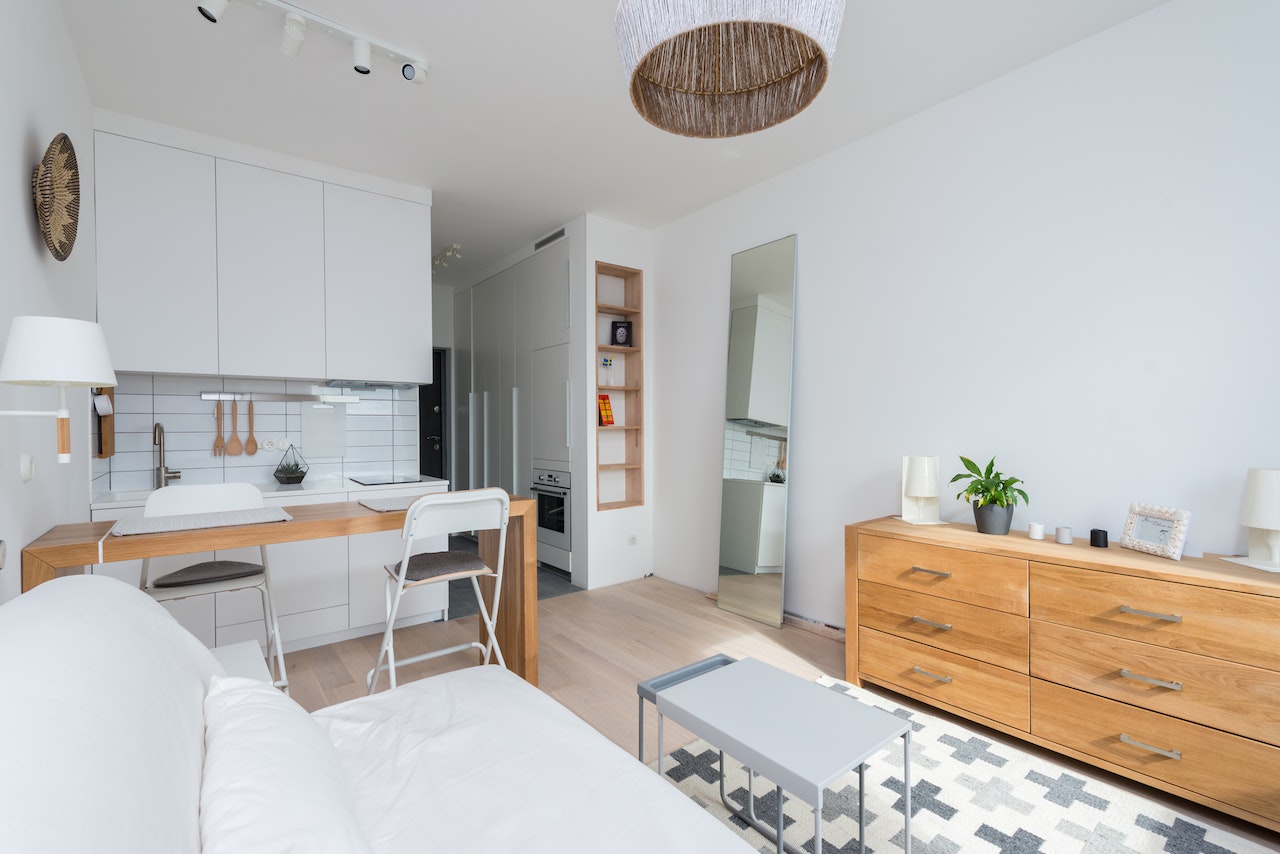
Friends studying at universities like Tsinghua or Peking University report similar prices, maybe slightly higher for private rentals. Dorms are cheaper but fill up quickly.
Guangzhou:
Generally cheaper than Shanghai and Beijing. A similar shared apartment could be 2,000 to 2,500 RMB a month, and some university dorms are even below 1,000 RMB.
2. Cost of Living in China: Food and Groceries
This is where China pleasantly surprised me. If you’re not overly fancy with your meals, food here can be really affordable.
Eating Out:
- Local meals (noodles, rice dishes, baozi): 10–25 RMB
- University canteen meals: 6–15 RMB
- Mid-range restaurants: 50–100 RMB per meal
- International food (e.g., pizza, burgers, Korean BBQ): 80–150 RMB per meal
I usually eat at the school canteen for lunch and cook dinner at home, with the occasional treat at a restaurant or café. My total monthly food expense is around 1,500–1,800 RMB (~$210–$250 USD).
Groceries:
- Eggs (12): 12 RMB
- Rice (5kg): 40 RMB
- Chicken breast (1kg): 30–35 RMB
- Milk (1L): 10 RMB
- Vegetables (per kg): 4–10 RMB depending on type
My monthly grocery bill is usually around 600–800 RMB.
In Beijing and Guangzhou, food costs are pretty comparable, with Guangzhou being slightly cheaper thanks to the abundance of street food and night markets.

3. Cost of Living in China: Transportation
China’s public transportation is not only cheap but super convenient.
Metro and Buses:
Shanghai’s metro is vast and reliable. A single ride costs between 3–6 RMB depending on distance. I use a metro card and spend about 200 RMB/month on commuting.
Beijing’s metro system is similar in price and quality. Guangzhou is slightly cheaper and also has great bike-sharing systems.
Taxis and Ride-hailing (Didi):
- Base fare: 14 RMB (Shanghai)
- Didi to nearby areas: 20–60 RMB
I only take Didi occasionally, maybe twice a week, so my monthly transport spending stays below 300 RMB.
4. Cost of Living in China: Mobile and Internet Services
This is something many students ask me about before they arrive.
SIM Card and Mobile Data:
I use China Unicom. My plan includes:
- 20GB of data
- 200 minutes of talk time
- Monthly fee: 88 RMB
There are cheaper plans, especially for those who don’t need much data. Some friends pay just 30–50 RMB a month.
Wi-Fi:
My apartment Wi-Fi is about 100 RMB/month, which I split with my roommate. Most university dorms have Wi-Fi included or charge a small fee.
5. Cost of Living in China: Utilities
My electricity and water bills vary by season. In the winter and summer, when we use heating or AC more, the bills go up.
- Electricity: 150–300 RMB/month
- Water: 30–50 RMB/month
- Gas (for stove): 20–40 RMB/month
On average, my utility costs total around 250–400 RMB/month.
6. Cost of Living in China: Leisure and Entertainment
I try to keep things budget-friendly, but I also like to enjoy my life in China.
- Coffee in a café: 25–40 RMB
- Movie ticket: 35–60 RMB
- Gym membership: 150–300 RMB/month
- Weekend trips: 300–800 RMB depending on location
I usually spend around 400–600 RMB/month on leisure, though it can spike if I take a trip or go out more often.
7. Cost of Living in China: Study Materials and Miscellaneous
While some courses require textbooks, many professors share PDFs or use online resources.
- Textbooks: 100–300 RMB per semester (depends on your major)
- Stationery and supplies: 50–100 RMB/month
- Occasional shopping (clothes, personal items): 200–300 RMB/month
Total Monthly Cost in Shanghai
Here’s a rough breakdown of my average monthly expenses in Shanghai:
| Category | Estimated Cost (RMB) |
|---|---|
| Rent | 2,800 |
| Food (Groceries + Eating Out) | 1,800 |
| Transportation | 250 |
| Mobile + Wi-Fi | 138 |
| Utilities | 300 |
| Leisure | 500 |
| Miscellaneous | 300 |
| Total | 6,088 RMB (~$850 USD) |
Of course, this varies from person to person. If you live in a dorm, cook every day, and avoid Didi and Starbucks, your monthly cost could be as low as 4,000–4,500 RMB. On the other hand, if you enjoy nightlife, frequent travel, and independent housing, the number can go up fast.
Final Thoughts
Living in China as a student is quite affordable compared to many Western countries, especially considering the quality of life you can have. Cities like Shanghai and Beijing may seem expensive, but with a little budgeting and local knowledge, it’s very manageable.
One piece of advice: always ask your Chinese friends or classmates for money-saving tips. I learned how to use apps like Meituan, Taobao, and Dianping from locals, and they’ve helped me save so much over time.
So, if you’re on your way to study in China, don’t stress too much about the cost of living. Just be smart, flexible, and open-minded—you’ll learn fast, and your budget will adjust naturally. And honestly, the experiences you’ll have? Totally worth every yuan.
Related: How to Apply for a Student Visa to Study in China
Related: Admissions in China